
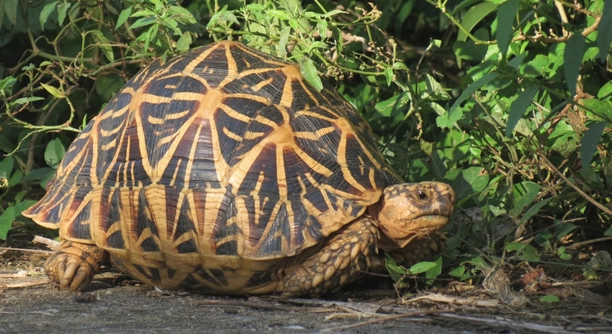
Your Indian Star Tortoise’s shell might lose its shine for several reasons, and it’s important to understand why this happens. A healthy tortoise shell is usually vibrant and glossy, but factors like diet, environment, or health can impact its appearance.
The main reason your Indian Star Tortoise’s shell loses its shine could be poor diet, inadequate lighting, or lack of proper hydration. These factors can lead to a dull appearance, signaling the need for adjustments in care and environment.
By understanding what might be causing this issue, you can restore your tortoise’s shell to its natural luster. Keep reading to learn more about the steps you can take to help improve your tortoise’s overall health and well-being.
Diet and Nutrition
One of the main reasons your Indian Star Tortoise’s shell may lose its shine is due to improper diet. Tortoises require a balanced intake of fiber, calcium, and essential vitamins to maintain their health. Without the right nutrients, their shells can appear dull or even develop discoloration. A lack of calcium, in particular, can cause shell abnormalities and make it look less glossy. The food you offer should include leafy greens, vegetables, and high-quality grasses. Avoid feeding your tortoise foods with high phosphorus content as it can hinder calcium absorption.
It’s important to feed your tortoise a variety of fresh, healthy foods. Supplementing with calcium powder once or twice a week can also help prevent issues.
Keep in mind that while tortoises enjoy variety, it’s essential to avoid sugary or processed foods that could affect their health. A proper, nutrient-dense diet should help restore the shine to their shells. Additionally, offering your tortoise a consistent feeding schedule helps them stay healthy and prevent unnecessary weight loss or lethargy. Maintaining the right balance of food is a crucial part of their overall care.
Hydration and Humidity Levels
Dehydration or improper humidity can also lead to shell issues. If your tortoise isn’t drinking enough water, or if the humidity in its enclosure is too low, the shell may start to lose its natural shine.
Tortoises need access to fresh water and a humid environment to keep their skin and shell healthy. Make sure the habitat is not too dry, especially in warmer temperatures.
Lighting and UVB Exposure
A lack of proper UVB lighting can negatively affect your tortoise’s shell and overall health. UVB light helps your tortoise synthesize vitamin D3, which is necessary for calcium absorption. Without enough UVB exposure, they may become weak and prone to shell issues.
Providing your tortoise with at least 10-12 hours of UVB light per day is essential. A high-quality UVB bulb should be placed within the recommended distance from their enclosure, and it should be replaced every 6 months. Make sure the light is not obstructed, as this can reduce its effectiveness.
Inadequate UVB exposure can cause metabolic bone disease and lead to shell softening or discoloration. Make sure your tortoise is getting enough natural sunlight or artificial UVB light, especially if it’s housed indoors. Proper lighting should also be combined with a temperature gradient in the habitat to ensure your tortoise can bask and regulate its body temperature. These steps are key to maintaining their overall well-being.
Shell Care and Cleaning
Shell hygiene plays a big role in the appearance of your tortoise’s shell. Neglecting to clean it properly can result in buildup of dirt or fungi, which dulls the shine. Clean the shell regularly using a soft brush and lukewarm water.
Ensure that you’re not using harsh chemicals or cleaners that could damage the shell. Only clean the surface gently to avoid injuring the tortoise’s delicate scutes. If you spot any areas of concern, like mold or bacteria, consult a vet right away. Regular cleaning, along with proper care, will help maintain a healthy shine.
In addition to routine cleaning, your tortoise’s shell will benefit from being kept dry and free from excess moisture, which can cause infections or rot. Drying the shell after baths and ensuring that the habitat remains clean are essential to promoting a healthy, shiny shell. Remember that maintaining your tortoise’s shell is just one part of keeping them healthy, so be sure to address all aspects of their care.
Health Issues and Shell Deterioration
Health problems like infections, parasites, or internal issues can cause a tortoise’s shell to lose its shine. Illness often leads to a weakened immune system, affecting shell quality. If you notice dullness along with other symptoms like lethargy or loss of appetite, it’s best to consult a vet.
A common health issue that affects the shell is shell rot, which can lead to discoloration and deterioration. It’s crucial to recognize the signs early, such as soft or pitted areas on the shell, to prevent further damage. Regular check-ups can help detect any underlying issues that may be causing the shell to lose its natural shine.
Temperature and Environment
Temperature plays a significant role in maintaining your tortoise’s health. A habitat that’s too cold or too hot can cause stress and affect shell quality. Ensure that your tortoise has a temperature gradient to choose from, so it can regulate its body heat accordingly.
In addition to temperature, humidity and ventilation are equally important factors in creating a stable environment. Maintaining the proper conditions not only improves your tortoise’s well-being but also helps preserve its shell’s shine. Make adjustments to the enclosure’s setup based on your tortoise’s specific needs.
Shell Growth and Aging
As your tortoise ages, its shell may naturally lose some of its shine. This is a part of the normal growth process. While the shell may look duller over time, it doesn’t necessarily indicate poor health if the tortoise is still active and eating well.
FAQ
What causes the shell of my Indian Star Tortoise to lose its shine?
The main reasons for a dull shell can include poor diet, insufficient hydration, inadequate UVB lighting, or environmental stress. A lack of calcium or essential vitamins can make the shell appear lackluster. Dehydration and low humidity levels can also contribute to the problem. If any of these factors are not addressed, it can lead to permanent damage or discomfort for your tortoise.
How can I improve my tortoise’s diet to help its shell shine again?
To restore your tortoise’s shell, focus on providing a balanced diet rich in calcium, fiber, and vitamins. Fresh leafy greens, high-quality grasses, and vegetables should be the main components of its diet. Foods high in phosphorus, like spinach, should be given in moderation, as they can interfere with calcium absorption. Supplementing with calcium powder once a week is also beneficial. A healthy, nutrient-rich diet helps support your tortoise’s overall health, including shell quality.
Does my tortoise need UVB light?
Yes, UVB light is essential for your tortoise’s health. UVB helps them produce vitamin D3, which is necessary for calcium absorption. Without proper UVB exposure, your tortoise may suffer from metabolic bone disease, which could cause its shell to weaken and lose its shine. If your tortoise is housed indoors, make sure to use a high-quality UVB bulb and follow the manufacturer’s instructions on distance and replacement frequency.
How often should I clean my tortoise’s shell?
Clean your tortoise’s shell gently once a week or as needed. Use a soft brush with lukewarm water to remove any dirt or debris. Avoid harsh chemicals that can damage the shell or irritate your tortoise’s skin. If you notice any mold or buildup, clean it immediately to prevent further issues. Be sure to dry the shell thoroughly afterward, as moisture can cause problems like shell rot.
Can shell rot cause my tortoise’s shell to lose its shine?
Yes, shell rot is a common cause of a dull or damaged shell. It’s often caused by bacteria or fungi that infect the shell when it’s exposed to excess moisture or unsanitary conditions. If left untreated, shell rot can cause permanent damage to the shell and health of your tortoise. Signs of shell rot include soft or pitted areas on the shell, which require immediate veterinary attention.
How important is humidity for my tortoise’s shell?
Proper humidity is important for your tortoise’s health, including its shell. If the enclosure is too dry, it can lead to dehydration and cause the shell to become brittle or dull. If the humidity is too high, it can lead to fungal infections and shell rot. A consistent humidity level of 50-60% is ideal, but this may vary depending on your tortoise’s specific needs. Regular monitoring with a hygrometer can help you maintain the right environment.
What is the best temperature for my tortoise’s enclosure?
Your tortoise’s enclosure should have a temperature gradient, with a basking spot that’s around 95-100°F (35-38°C) and a cooler side around 75-80°F (24-27°C). This allows your tortoise to regulate its body temperature effectively. If the enclosure is too cold, your tortoise may become lethargic and its metabolism can slow down, affecting shell health. If it’s too hot, it could lead to stress and dehydration. Ensure that your tortoise has access to both warm and cool areas throughout the day.
Can my tortoise’s shell lose its shine as it ages?
Yes, as your tortoise ages, its shell may naturally become less shiny. This can happen as the shell grows and matures, but it doesn’t necessarily indicate poor health. If your tortoise is still active, eating well, and showing no signs of illness, a slight dullness in the shell is a normal part of the aging process. However, if you notice significant changes like softness or discoloration, it could be a sign of health issues.
Should I use a shell conditioner to make my tortoise’s shell shiny?
It’s not necessary to use a shell conditioner or polish to improve the appearance of your tortoise’s shell. The natural shine comes from proper care, including a balanced diet, adequate hydration, and appropriate lighting. Applying products like shell polishes may actually cause more harm than good, as they can trap moisture or chemicals that could irritate the tortoise’s skin and shell.
Is it possible to fix a tortoise’s shell if it’s damaged or discolored?
If the damage is due to improper care, like lack of nutrition or dehydration, making changes to the diet, lighting, and environment can help improve the shell’s condition over time. However, if the shell has suffered physical injury or severe infections, it may require professional treatment from a veterinarian. In cases of significant damage, the shell may not fully regain its previous shine, but treatment can help prevent further issues.
How can I tell if my tortoise’s shell is unhealthy?
If your tortoise’s shell appears soft, discolored, or shows signs of cracking, it may be unhealthy. In addition, unusual growth patterns, scutes (the individual plates on the shell) that aren’t properly shedding, or visible rot or lesions are signs that you should take your tortoise to a veterinarian. Healthy shells should be smooth, hard, and free of cracks, with consistent growth.
Maintaining a healthy, shiny shell for your Indian Star Tortoise requires attention to several important factors. The right diet, proper hydration, and a balanced environment are key components in ensuring that your tortoise’s shell remains strong and glossy. Offering a variety of fresh greens, a sufficient amount of calcium, and maintaining the proper humidity and temperature levels in the enclosure will go a long way in preventing dullness or damage to the shell. Regularly monitoring your tortoise’s overall health and making adjustments to its care routine as needed can keep its shell looking its best.
It’s also essential to be aware of the potential health issues that could cause the shell to lose its shine. Shell rot, infections, and other illnesses can significantly affect your tortoise’s health and appearance. If you notice any soft spots, discoloration, or unusual changes to the shell, it’s important to take your tortoise to a veterinarian for proper treatment. Preventative care, such as cleaning the shell regularly and providing adequate UVB lighting, can help avoid many of these problems. Early detection and intervention can make a big difference in your tortoise’s recovery and overall well-being.
While some level of aging may cause your tortoise’s shell to lose its natural luster, it’s crucial to differentiate between normal changes and signs of underlying health issues. Regular check-ups, proper nutrition, and a well-maintained habitat are the best ways to ensure your tortoise remains healthy for years to come. Caring for a tortoise involves more than just making sure its shell looks good—it’s about creating a safe and comfortable environment that promotes its health. With proper care, your tortoise will continue to thrive, and its shell will reflect the good care you provide.

Hello,
If you enjoy the content that we create, please consider saying a "Thank You!" by leaving a tip.
Every little bit helps us continue crafting quality advice that supports the health, happiness, and well-being of pets around the world, for pets of all shapes, sizes, and species.
We really appreciate the kindness and support that you show us!