
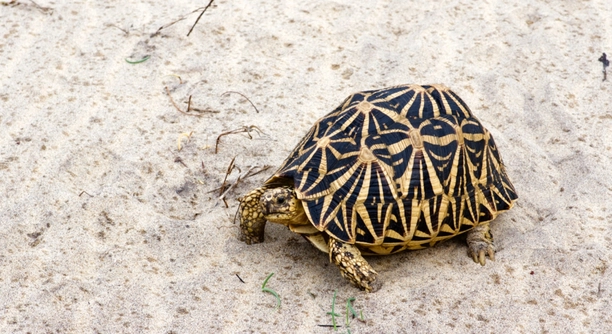
Your Indian Star Tortoise may be spending more time in one spot than you’d like. Understanding the reasons behind this behavior is essential to ensure your pet’s well-being and comfort in its habitat.
The main reason your Indian Star Tortoise may remain stationary is that it is seeking comfort or safety. These turtles often rest when they feel secure in a specific spot, particularly in the warmth of their environment.
Understanding these patterns will help you ensure a healthy, happy environment for your tortoise. Keep reading to learn more!
Why Does My Indian Star Tortoise Rest in One Spot?
Tortoises, especially the Indian Star variety, tend to stay in one spot when they feel comfortable and secure. They often seek warmth, which is vital for their digestion and overall health. If your tortoise is resting in the same area frequently, it’s likely because the spot provides the right temperature and a sense of safety. These creatures can be a bit shy, so finding a quiet corner of their habitat can make them feel more relaxed. It’s important to check if the temperature and humidity levels in their enclosure meet their needs, as both can play a significant role in their behavior. If everything seems to be in order, your tortoise is simply following its natural instincts to find a peaceful, stable environment.
It’s essential to pay attention to where your tortoise is resting. A consistent resting spot may indicate a preference for specific conditions, whether it’s a particular temperature or a hidden space.
Providing your tortoise with varied spaces to explore and rest can help prevent them from becoming too sedentary. Experimenting with different lighting and heat sources in their habitat can also encourage them to explore more. If your tortoise seems overly inactive or always in the same position, consider gently guiding it toward other areas of its space, or even adding some climbing opportunities to enrich its environment. These simple changes can make a significant difference in encouraging more activity and movement, improving their overall quality of life.
Is It Just Resting or Something Else?
It’s important to make sure that your tortoise’s resting habits aren’t a sign of something more serious.
If your tortoise is constantly inactive and staying in one place for extended periods, it might be experiencing health issues. Problems such as dehydration, improper temperatures, or even illness can cause your tortoise to stay stationary. It’s crucial to observe its behavior closely and take note of any changes in eating habits, activity levels, or physical appearance.
Temperature and Humidity Levels
Your tortoise may be resting more if the temperature or humidity levels aren’t right.
Tortoises, including the Indian Star variety, rely heavily on a proper heat gradient to stay active. A temperature range of 75-85°F is ideal for daytime, with a basking spot of around 90°F. If the habitat is too cold, your tortoise will conserve energy and stay put. Similarly, humidity levels should be between 50-70%. Too low or too high can affect your tortoise’s ability to move around comfortably.
Ensure that your tortoise’s environment stays within the correct range by using thermometers and hygrometers. Check regularly to avoid any fluctuations that may cause stress. Sometimes, providing a heat lamp or increasing humidity with a misting system can encourage movement and activity. If the habitat’s conditions aren’t ideal, it could explain why your tortoise is not exploring its enclosure as much. A stable and well-monitored environment is key to their health.
Proper Lighting and UVB Exposure
UVB lighting is another important factor that may influence your tortoise’s behavior.
Indian Star Tortoises, like all reptiles, require UVB light for proper calcium absorption and overall health. Without UVB exposure, they can become lethargic and even develop shell deformities. Ensure that your tortoise’s habitat has a UVB bulb that provides the necessary spectrum of light. A 12-hour cycle of light and dark mimics natural day-night patterns and encourages healthy activity. If your tortoise is staying in one place, it could be a sign that it’s not receiving the right type or amount of light.
Stress and Anxiety
Tortoises can become stressed, causing them to remain in one spot.
Stress factors, such as loud noises, other pets, or even sudden changes in their environment, can cause a tortoise to hide or rest in one area. Make sure their habitat is quiet, calm, and free from disturbances.
If your tortoise is always resting in the same spot, consider any recent changes in its environment. Moving items around or adding new elements to the habitat could potentially stress it out. Offering a hiding spot, like a log or a small cave, can also help your tortoise feel safe and secure.
Health Problems
Illness or injury can cause your tortoise to stay in one spot.
If your tortoise is unwell, it may become lethargic and stay in one place. Look for signs of swelling, discharge, or changes in eating and drinking habits. If any of these symptoms appear, a visit to a reptile vet is essential.
Poor Diet and Hydration
A lack of proper nutrition and hydration can also make your tortoise less active.
If your tortoise isn’t getting enough variety in its diet or is dehydrated, it may become lethargic. Ensure a balanced diet with plenty of leafy greens, vegetables, and some fruit. Regular access to fresh water is also crucial to its overall health.
FAQ
Why does my tortoise only move at certain times of the day?
Tortoises are naturally more active during the warmer parts of the day. They are cold-blooded, so their activity levels depend on the temperature. If it’s too cold in their habitat, they will stay in one spot, conserving energy. You may notice increased activity during the warmer hours when they feel more comfortable.
Can I encourage my tortoise to explore more?
Yes, you can. Adding different textures, rocks, or small plants can encourage your tortoise to move around. Make sure its environment is rich with opportunities for it to explore, but avoid making it feel overwhelmed. Gradually changing its surroundings can stimulate more curiosity.
How can I tell if my tortoise is stressed?
Signs of stress in tortoises include staying in one spot, not eating, or trying to escape its enclosure. Sudden changes, loud noises, or overcrowding with other animals can also lead to stress. If your tortoise is avoiding movement or hiding, it’s time to check for stressors.
Is it normal for my tortoise to not eat much?
A reduction in appetite can be normal, especially if the tortoise is adjusting to a new environment or season. However, if the lack of eating lasts for several days, it could indicate health problems or improper habitat conditions like temperature or humidity.
How long should I let my tortoise bask under its light?
Tortoises need a proper day-night cycle with about 12 hours of light, including UVB exposure. Basking under the light should last for several hours a day, but make sure there’s a cool area in the habitat for it to retreat to. Overexposure to light can cause stress.
Does my tortoise need a heat source at night?
While tortoises need a heat source during the day, nighttime temperatures should be lower. However, they still need to stay warm, with temperatures around 65-75°F. If your tortoise is housed in a cooler area, consider using a ceramic heat emitter during the night.
What should I do if my tortoise is always hiding?
Tortoises may hide when they feel insecure or stressed. It’s important to create a safe and quiet environment for them. Make sure the temperature, humidity, and lighting are right for their needs. If hiding persists, check for signs of health issues or stress.
Can I keep my tortoise in a small tank?
While small tanks might be easier to maintain, they are not ideal for tortoises. They need a spacious environment to roam and forage. A large enclosure with enough space for your tortoise to move around is essential for its well-being.
Is it okay for my tortoise to be alone?
Yes, tortoises are solitary animals and generally don’t require companionship. However, it’s important to make sure they have a stimulating environment with opportunities for exercise and mental stimulation. Loneliness doesn’t usually affect their behavior, but a lack of enrichment can.
How can I tell if my tortoise is getting enough UVB exposure?
If your tortoise is resting frequently and showing signs of lethargy, it could be a sign that it’s not getting enough UVB. Over time, insufficient UVB exposure can lead to shell deformities, weak bones, or other health problems. Make sure the UVB light is the correct strength and is positioned properly in the habitat.
Can my tortoise get too hot?
Yes, tortoises can overheat if the basking spot is too hot. The ideal basking temperature is around 90°F. Temperatures higher than this can lead to dehydration or heat stress. Always ensure there are cooler areas where your tortoise can retreat to regulate its body temperature.
Why does my tortoise stay in the same spot even when I move things around?
If your tortoise stays in one place despite changes in its environment, it may have found a spot that it considers safe or comfortable. It could also be a sign of stress, illness, or improper temperature in the enclosure. Monitoring the habitat conditions and providing enrichment can help.
How often should I clean my tortoise’s habitat?
Tortoises need a clean environment to stay healthy. You should spot clean their habitat daily by removing waste and uneaten food. A deeper cleaning, including changing bedding and sanitizing surfaces, should be done every 1-2 weeks to prevent bacterial buildup.
Is it okay to handle my tortoise often?
Tortoises can tolerate handling, but it should be kept to a minimum. Frequent handling can cause stress, so it’s best to let your tortoise move on its own terms. If you do handle it, make sure to do so gently and avoid holding it for extended periods.
Final Thoughts
Understanding why your Indian star tortoise rests in one spot can help ensure its well-being. Tortoises have specific needs when it comes to their environment, diet, and overall care. If you notice your tortoise resting more than usual, it could be a sign of stress, illness, or environmental discomfort. It’s important to assess all factors, such as temperature, humidity, and the general setup of its habitat. Making adjustments to these areas can encourage your tortoise to feel more comfortable and move around more.
Tortoises are creatures of habit, and their behavior can change depending on their surroundings. While some degree of resting is normal, especially after meals or during cooler periods of the day, prolonged inactivity can signal a deeper issue. Always keep an eye out for signs of health problems, such as changes in appetite, unusual behavior, or any physical symptoms like swelling or discharge. A visit to the vet is recommended if you’re concerned, as they can provide professional advice and treatment if necessary.
In the end, providing a balanced environment for your tortoise is key to its health and happiness. A spacious enclosure, proper heating, UVB lighting, and a varied diet all play a role in ensuring your tortoise thrives. Regularly monitor its behavior and make any adjustments needed to maintain a safe and comfortable space. By staying observant and making the right changes, you’ll be helping your tortoise live a long, healthy life.

Hello,
If you enjoy the content that we create, please consider saying a "Thank You!" by leaving a tip.
Every little bit helps us continue crafting quality advice that supports the health, happiness, and well-being of pets around the world, for pets of all shapes, sizes, and species.
We really appreciate the kindness and support that you show us!