
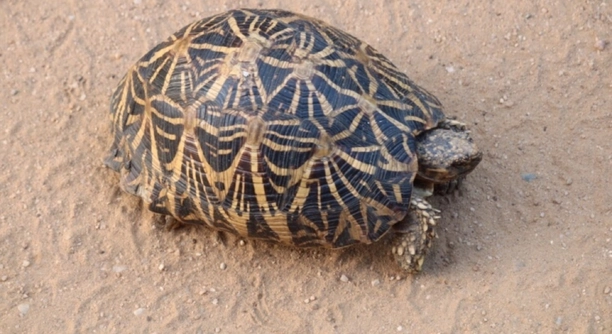
Sometimes, you might notice your Indian star tortoise flipping over its bowl, and it can be concerning. This behavior is not uncommon but understanding why it happens can help you address the issue effectively.
The main reason your Indian star tortoise flips over its bowl is likely due to its instinctive behavior of exploring or trying to hide. Tortoises may sometimes feel insecure, especially in new or unfamiliar environments, leading to this type of activity.
Understanding the reasons behind your tortoise’s actions can help create a safer and more comfortable habitat. Let’s explore the possible causes and solutions for this behavior.
Why Does Your Indian Star Tortoise Flip Over Its Bowl?
Indian star tortoises are curious creatures, often investigating their surroundings in a unique way. Flipping over its bowl can be an instinctive behavior, related to their need for exploration or safety. If your tortoise is in a new environment, the bowl may appear as a hiding spot or something it can move or interact with. This can lead to the tortoise turning the bowl over as part of its natural exploratory tendencies. It is also possible that the tortoise is attempting to reach food or water inside the bowl but accidentally causes it to flip.
Sometimes, this behavior may occur when your tortoise feels stressed or uncomfortable in its enclosure. Stress factors like noise, other animals, or an inappropriate environment could cause your tortoise to act out. It’s important to ensure that its habitat is safe and calming, offering enough space and proper hiding spots for comfort. Keep the temperature and humidity levels optimal to prevent unnecessary stress.
When your tortoise flips over its bowl, it may just be seeking security or trying to interact with its surroundings. Check the setup and make sure it’s designed with your tortoise’s well-being in mind. The right environment can prevent stress-related behavior and allow your tortoise to feel more at ease.
Adjusting the Environment
If your tortoise is consistently flipping over its bowl, adjusting its environment can help reduce this behavior. Adding more hiding spots or rearranging the setup can help provide comfort. Consider using a sturdier bowl or a larger container to avoid frequent tipping. The right setup can help your tortoise feel secure and minimize unwanted flipping.
A good habitat is essential for a tortoise’s well-being. In addition to providing secure food and water bowls, make sure your tortoise has enough space to roam, and provide enrichment to engage its natural instincts. A proper setup will reduce flipping and promote a calm, healthy environment for your tortoise.
Stress and Anxiety in Indian Star Tortoises
Stress can trigger unusual behaviors in tortoises, including flipping their bowls. External stressors such as loud noises, handling, or unfamiliar surroundings can make your tortoise feel uneasy. If the environment is too hectic or uncomfortable, your tortoise might react by flipping over its bowl.
To help reduce stress, try minimizing disturbances around your tortoise. Keep its habitat quiet, away from direct sunlight or heavy foot traffic. Providing a peaceful and secure environment will help your tortoise feel more comfortable and reduce behaviors like flipping. If you suspect stress is the issue, consider setting up a more private space for your tortoise to retreat when needed.
Regularly monitor your tortoise’s behavior to assess its level of comfort. Any signs of stress should be addressed immediately. Over time, a peaceful environment will encourage your tortoise to stop flipping its bowl, allowing it to focus on other activities, like exploring its enclosure or basking.
Providing the Right Bowl
Choosing the right type of bowl can significantly affect your tortoise’s behavior. A shallow, lightweight bowl might be more easily flipped over, while a heavier, deeper bowl may stay in place. Selecting a sturdy, low-profile bowl can make a difference in preventing your tortoise from flipping it over during feeding or drinking.
Make sure the bowl is also accessible and easy for your tortoise to use. It should be wide enough for your tortoise to comfortably reach its food or water but not so shallow that it can easily tip. The right bowl ensures that your tortoise stays well-hydrated and properly nourished without creating frustration or potential messes.
Overfeeding or Improper Diet
Overfeeding can lead to discomfort, causing your tortoise to move around more than usual, including flipping its bowl. If the tortoise is given too much food, it may feel the need to push things around or find a more comfortable spot.
A balanced diet is crucial for your tortoise’s well-being. Ensure you’re providing the right portion sizes and a variety of food types suitable for its species. Avoid overfeeding, as this can make your tortoise feel too full and cause unnecessary activity. Stick to recommended feeding guidelines for best results.
Habitat Setup
The habitat setup plays a huge role in your tortoise’s behavior. If its environment is overcrowded or uncomfortable, your tortoise may feel the need to flip over its bowl in search of a better place. Make sure the enclosure offers enough space for your tortoise to move freely.
A larger enclosure with enough hiding spots and room for walking can reduce stress. Keeping the setup simple yet enriching allows your tortoise to behave more naturally and comfortably. Ensure your tortoise can easily access its food and water without needing to flip things over.
Temperature and Humidity
Inappropriate temperature and humidity levels can also contribute to your tortoise’s stress. Too hot or too cold, along with improper humidity, can lead to behaviors such as flipping over its bowl. Ensure your tortoise’s environment has a proper gradient for warmth and a humidity level that suits its needs.
Maintaining the right conditions not only keeps your tortoise comfortable but also encourages more natural behaviors. A controlled environment can help prevent unnecessary flipping and ensure your tortoise is healthy and stress-free.
FAQ
Why does my tortoise flip over its bowl?
Flipping its bowl is often a sign that your tortoise is trying to explore or reach something inside. Tortoises can push their bowls over while investigating, feeling the need to access food or water in a more natural way. If the environment feels too cramped or stressful, this behavior may be more frequent. It’s essential to look at the overall setup and ensure there’s plenty of space and comfort for your tortoise to feel at ease.
How can I stop my tortoise from flipping its bowl?
To prevent your tortoise from flipping its bowl, consider using a sturdier, heavier dish or a bowl with a wider base that’s harder to move. You can also create a more secure environment by adding hiding spots, which may reduce the need for the tortoise to engage in behaviors like flipping. Lastly, monitor the food and water levels closely to make sure your tortoise isn’t feeling overly full or stressed from an imbalanced diet.
Can stress cause my tortoise to flip its bowl?
Yes, stress is a common cause of this behavior. Loud noises, changes in the habitat, or even an overcrowded enclosure can create anxiety. When stressed, a tortoise may become more active and try to rearrange its surroundings, which includes flipping over its bowl. Reducing stressors and creating a peaceful environment can help reduce this behavior.
Does overfeeding contribute to my tortoise flipping its bowl?
Overfeeding can lead to discomfort, causing your tortoise to move around more than necessary, possibly flipping its bowl in the process. If your tortoise feels too full or has trouble accessing food, it may push or overturn its dish in search of a more comfortable eating situation. Stick to appropriate portion sizes to avoid this.
What type of bowl should I use for my tortoise?
It’s important to use a stable, sturdy bowl. Look for one that’s heavy enough to avoid being easily tipped over. A shallow dish with a wide base can make it harder for your tortoise to flip. Avoid overly shallow or lightweight bowls, as they may be knocked over with minimal effort.
Should I be concerned if my tortoise flips its bowl often?
While occasional flipping may not be a major concern, frequent flipping should be addressed. It can be a sign of discomfort, stress, or environmental factors needing adjustment. Observe your tortoise’s behavior and ensure its habitat is ideal, with enough room, proper temperature, humidity, and secure bowls. If the behavior persists, consider consulting a vet or an expert in tortoise care.
Can a dirty bowl cause my tortoise to flip it?
A dirty bowl might contribute to your tortoise flipping it. If food or water in the bowl is unappealing, your tortoise may try to get rid of it or move it to search for a cleaner, more accessible option. Regularly clean your tortoise’s bowls and provide fresh food and water to avoid any frustration that could lead to flipping.
Is my tortoise’s behavior normal if it flips its bowl?
Occasional flipping is normal for tortoises, especially during exploration. However, if it happens frequently or seems excessive, it could point to other issues like stress or an unsatisfactory habitat. Keep a close watch on its overall behavior to rule out health or environmental problems.
How often should I clean my tortoise’s bowl?
It’s best to clean your tortoise’s bowl at least every other day, or more frequently if it’s used for food. Clean bowls reduce the chances of bacterial growth and ensure your tortoise has access to fresh water and food. A clean bowl also minimizes the chances of your tortoise flipping it due to frustration.
Can temperature changes cause my tortoise to flip its bowl?
Yes, if the temperature or humidity in your tortoise’s enclosure is not ideal, it could lead to stress. In turn, this may cause behaviors like flipping its bowl. Make sure your tortoise’s habitat has a proper temperature gradient and humidity level to prevent discomfort. This will help it feel more secure and reduce the likelihood of unnecessary flipping.
Final Thoughts
If your Indian Star Tortoise is flipping over its bowl, it’s important to assess its environment and behavior. Tortoises are naturally curious creatures, and they may flip their bowls as part of their exploration or to adjust their surroundings. However, if this behavior becomes frequent or excessive, it could indicate underlying issues such as stress, discomfort, or a poor habitat setup. Addressing these factors can help reduce the chances of your tortoise flipping its bowl and create a healthier, more comfortable living space.
One of the first steps in addressing this behavior is to ensure that the tortoise’s enclosure is the right size and provides enough space for movement. Overcrowding can lead to stress, which may result in your tortoise flipping over its bowl or engaging in other disruptive behaviors. Additionally, check the temperature and humidity levels to make sure they are suitable for the species. Tortoises need a proper temperature gradient to regulate their body heat, and incorrect humidity levels can lead to discomfort or health problems. A comfortable and secure environment helps your tortoise feel safe, reducing the need for such behaviors.
Another factor to consider is the food and water situation. Overfeeding or providing unappetizing food can make your tortoise feel uncomfortable, which may lead to bowl-flipping. Make sure to provide the right portion sizes, and use a sturdy bowl that’s harder to flip. Regularly clean the bowl to ensure that food and water remain fresh, as a dirty bowl can cause frustration. By addressing these factors and making simple adjustments to the habitat, you can help your tortoise live a more stress-free and healthy life.

Hello,
If you enjoy the content that we create, please consider saying a "Thank You!" by leaving a tip.
Every little bit helps us continue crafting quality advice that supports the health, happiness, and well-being of pets around the world, for pets of all shapes, sizes, and species.
We really appreciate the kindness and support that you show us!