
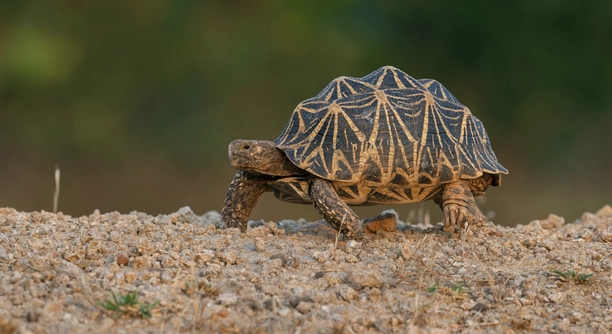
Do you ever wonder if peas are a safe addition to your Indian star tortoise’s diet? These tortoises require a specific balance of nutrients to maintain their health. Understanding what they can and cannot eat is essential for their well-being.
Indian star tortoises can eat peas in moderation, but they should not be a primary food source. Peas contain high protein levels, which can be harmful in excess. A diet rich in fibrous greens and calcium-rich foods is ideal for these tortoises.
Balancing their diet with the right foods ensures their long-term health. Knowing how to incorporate peas safely can help prevent potential health issues and support their nutritional needs.
The Nutritional Value of Peas for Indian Star Tortoises
Peas contain essential vitamins and minerals, including vitamin C, vitamin K, and fiber. While they offer some nutritional benefits, they also have a higher protein content than what is ideal for Indian star tortoises. Too much protein can lead to shell deformities and kidney problems. Additionally, peas contain antinutrients like phytic acid, which can interfere with calcium absorption. Since Indian star tortoises thrive on a diet rich in fiber and low in protein, it is important to limit peas to an occasional treat. Mixing them with leafy greens can help balance their intake and prevent excessive protein consumption.
A small amount of peas can be a part of a varied diet. However, feeding them too often may cause health issues over time. Always monitor your tortoise’s reaction when introducing new foods.
Understanding the nutritional balance of their diet helps maintain their health. Offering peas occasionally, alongside fibrous greens, ensures they receive proper nutrients.
How to Safely Feed Peas to Your Indian Star Tortoise
Peas should always be fed in moderation. Fresh or thawed peas are best, as canned varieties often contain added salt and preservatives. Avoid feeding peas daily, and instead, offer them as an occasional supplement to their regular diet.
Before feeding peas, wash them thoroughly to remove any pesticides or contaminants. It is best to lightly mash or chop them to make them easier for your tortoise to consume. Mixing peas with fibrous vegetables like dandelion greens, hibiscus leaves, or Timothy hay can help balance their diet. Since Indian star tortoises require a higher calcium intake, pairing peas with calcium-rich foods can help offset any potential deficiencies. It is also essential to monitor their overall protein intake from other sources. Over time, too much protein can lead to health issues, including pyramiding—a condition that affects shell growth.
By carefully managing portion sizes and incorporating a variety of plant-based foods, you can ensure that your tortoise stays healthy. A well-balanced diet prevents nutritional imbalances and supports their long-term well-being.
Potential Risks of Feeding Peas to Indian Star Tortoises
Feeding peas too often can cause digestive issues due to their protein and starch content. Excess protein may contribute to pyramiding, a shell deformity common in captive tortoises. Additionally, peas contain phytic acid, which can reduce calcium absorption and negatively impact shell and bone development over time.
A high-protein diet can strain the kidneys, potentially leading to long-term health problems. Indian star tortoises require a low-protein, high-fiber diet, so feeding too many peas may create an imbalance. Additionally, peas contain natural sugars that can disrupt digestion, especially when consumed in large amounts. To prevent issues, it is best to offer peas in small quantities and alongside other fiber-rich foods. If a tortoise shows signs of bloating or discomfort after eating peas, it is best to remove them from its diet.
A varied diet is essential for preventing nutritional deficiencies and health complications. Mixing peas with calcium-rich vegetables helps balance their impact on digestion and overall well-being. Observing your tortoise’s response to different foods allows you to make necessary adjustments to maintain optimal health.
Best Alternatives to Peas for Indian Star Tortoises
Leafy greens like dandelion greens, collard greens, and mustard greens are excellent choices. These options provide essential fiber, vitamins, and minerals without the high protein content found in peas. They also support digestive health and help maintain strong shells and bones.
Hibiscus flowers, cactus pads, and Timothy hay are great additions to a tortoise’s diet. Hibiscus flowers contain natural antioxidants, while cactus pads provide hydration and fiber. Timothy hay aids in digestion and mimics the natural foraging diet of wild tortoises. Feeding a variety of these foods ensures a balanced intake of nutrients while keeping protein levels low. Fruits should only be offered occasionally, as their high sugar content can lead to digestive problems. Sticking to fibrous greens and calcium-rich foods helps prevent health issues and supports overall well-being.
How Often to Feed Peas to Indian Star Tortoises
Peas should only be given occasionally, about once or twice a month. Their high protein content makes them unsuitable for frequent feeding. It is best to prioritize fibrous greens and calcium-rich foods to maintain a balanced diet and prevent health issues.
Small portions are key to avoiding digestive problems. A few peas mixed with other vegetables can provide variety without disrupting nutritional balance. Always monitor your tortoise’s response to new foods and adjust their diet as needed to ensure they stay healthy and active.
Signs of an Unhealthy Diet in Indian Star Tortoises
An imbalanced diet can lead to symptoms like soft shells, lethargy, and irregular growth patterns. Too much protein may cause pyramiding, where the shell develops raised, bumpy scutes. If a tortoise shows any of these signs, dietary adjustments are necessary to prevent long-term health issues.
Final Thoughts on Feeding Peas
Peas can be a small part of a balanced diet but should never replace essential leafy greens. Moderation is key to ensuring your tortoise stays healthy and avoids protein-related health problems.
FAQ
Can Indian Star Tortoises eat peas every day?
No, Indian star tortoises should not eat peas daily. While peas offer some nutritional benefits, they contain too much protein for daily consumption. A diet high in protein can lead to kidney problems and shell deformities. Peas should only be offered occasionally, mixed with a variety of other vegetables. Their primary diet should focus on high-fiber greens like dandelion greens, collard greens, and other calcium-rich vegetables.
Are peas harmful to Indian Star Tortoises?
Peas are not inherently harmful when given in moderation, but feeding them too often can cause digestive problems due to their starch and protein content. The excess protein can also contribute to pyramiding, a condition that affects the tortoise’s shell growth. Overfeeding peas can also lead to nutritional imbalances, which could negatively impact overall health.
What vegetables should Indian Star Tortoises eat instead of peas?
Indian star tortoises should primarily eat a variety of leafy greens, such as dandelion greens, collard greens, mustard greens, and hibiscus leaves. These greens provide essential fiber, vitamins, and minerals without the high protein content found in peas. Calcium-rich vegetables like kale and turnip greens can also be included in their diet to promote healthy shell growth.
Can Indian Star Tortoises eat frozen peas?
Frozen peas can be fed to Indian star tortoises, as long as they are thawed first. However, it’s important to avoid feeding canned peas due to the added salt and preservatives. Frozen peas, when properly thawed, are a safe treat in small amounts. Always ensure the peas are fresh and free from any additives.
Is it okay to feed Indian Star Tortoises fruits like peas?
Fruits should only be given occasionally as a treat for Indian star tortoises. They are generally high in sugar, which can lead to digestive issues when consumed in excess. While peas are technically considered legumes, they do contain some sugar and should be treated similarly to fruits in terms of frequency. To keep your tortoise’s diet balanced, prioritize high-fiber greens and low-protein vegetables.
How much protein do Indian Star Tortoises need?
Indian star tortoises need very little protein in their diet. Their natural diet consists mainly of plant matter, which provides them with enough protein. Excessive protein can lead to health issues such as kidney damage and pyramiding of the shell. A good rule of thumb is to offer low-protein, high-fiber foods like grasses, leaves, and flowers.
What should I do if my Indian Star Tortoise stops eating?
If your tortoise stops eating, it could be a sign of stress, illness, or an imbalance in its diet. Check for any changes in its environment or diet that may be causing the issue. If the problem persists for more than a couple of days, it’s best to consult a veterinarian specializing in reptiles to ensure your tortoise is healthy.
Can Indian Star Tortoises eat all types of peas?
Not all peas are safe for Indian star tortoises. Fresh peas are the best option, but they should be fed in small amounts. Avoid canned peas due to the added preservatives and sodium, which can be harmful. Also, avoid feeding pea pods, as they may be difficult for your tortoise to digest.
How can I tell if I’m feeding my tortoise too much protein?
Signs that your tortoise may be getting too much protein include pyramiding (abnormal shell growth), soft or deformed shells, and lack of appetite. If you notice any of these symptoms, it’s important to reassess the diet and reduce the protein intake by limiting foods like peas, beans, and high-protein greens.
What are the best foods to feed my Indian Star Tortoise for strong shell growth?
To support strong shell growth, feed your Indian star tortoise a balanced diet that is high in fiber and calcium. Good options include dandelion greens, hibiscus flowers, clover, and collard greens. A small amount of calcium-rich foods, like kale and turnip greens, will also help maintain a healthy shell. Avoid foods that are too high in protein, as they can lead to pyramiding and other health issues.
Can I feed my tortoise peas mixed with other vegetables?
Yes, you can mix peas with other vegetables, but it should be done in moderation. Peas should not make up the majority of your tortoise’s diet. Mixing peas with leafy greens like dandelion or collard greens is a good way to balance the diet. Be sure to keep portions small to avoid excess protein intake.
Is it necessary to offer variety in my tortoise’s diet?
Yes, variety is essential for providing a balanced and healthy diet for your Indian star tortoise. Offering a range of leafy greens, vegetables, and occasional flowers ensures that they get the necessary nutrients to thrive. A varied diet helps prevent nutrient deficiencies and reduces the risk of health issues related to dietary imbalances.
Can Indian Star Tortoises eat cooked peas?
It is best to avoid feeding Indian star tortoises cooked peas, as they lose much of their nutritional value when heated. Raw peas are the best option, as they retain their natural nutrients. If you must feed cooked peas, make sure they are plain, without any added salt or spices.
How can I ensure my tortoise’s diet is well-balanced?
To ensure a well-balanced diet for your tortoise, focus on a variety of high-fiber vegetables and greens. Incorporate calcium-rich foods like kale and collard greens and limit protein-heavy foods like peas. Offering flowers and grasses will also provide natural diversity. Regularly monitor your tortoise’s health and adjust its diet if necessary.
Final Thoughts
Feeding Indian star tortoises involves careful attention to their diet, ensuring that they receive the right balance of nutrients. Peas, while not harmful in small amounts, should be offered only occasionally. Their high protein content makes them unsuitable for daily feeding, as excessive protein can cause health problems like kidney issues or shell deformities. By offering a variety of greens, such as dandelion greens, collard greens, and hibiscus, along with a few other safe vegetables, you can help maintain a healthy and balanced diet for your tortoise. A varied diet is essential for their overall well-being.
It’s crucial to avoid overfeeding any one type of food. While peas provide some benefits, including fiber and vitamins, they should not become a staple. High-protein foods should be limited to prevent complications like pyramiding, a condition where the tortoise’s shell grows unevenly. Instead, focus on offering a mix of low-protein, high-fiber vegetables that mimic what they would eat in the wild. The right food choices will not only support their shell and bone health but will also help maintain their energy levels and overall vitality.
Remember, moderation is key in keeping your Indian star tortoise healthy. Always pay attention to any changes in their behavior or health, as these may signal dietary issues. If you notice any signs of illness, such as lethargy, difficulty eating, or changes in their shell, it’s best to consult with a vet. By being mindful of their diet and regularly providing a variety of appropriate foods, you can ensure your tortoise lives a long and healthy life.

Hello,
If you enjoy the content that we create, please consider saying a "Thank You!" by leaving a tip.
Every little bit helps us continue crafting quality advice that supports the health, happiness, and well-being of pets around the world, for pets of all shapes, sizes, and species.
We really appreciate the kindness and support that you show us!