
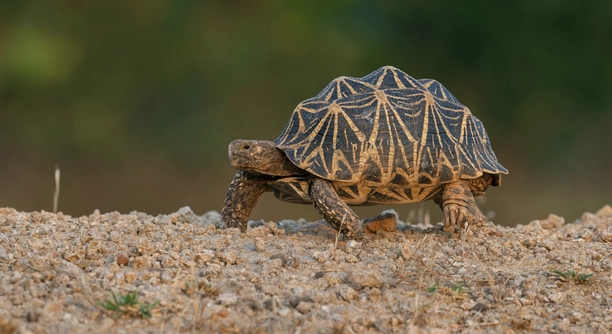
Tortoises are wonderful pets, and keeping their tanks clean is essential for their health. Regular maintenance ensures a happy and healthy environment for your Indian star tortoise to thrive in. A clean tank is key to their well-being.
The best practices for Indian star tortoise tank cleaning include regular spot cleaning, water changes, and disinfecting the tank every few weeks. Removing waste and debris prevents bacterial growth, ensuring a healthy environment for your tortoise.
Knowing these steps will help you maintain a clean and safe habitat for your tortoise. Keep reading to learn more about how to make cleaning easy and effective.
Spot Cleaning for Immediate Waste Removal
One of the easiest and most important ways to keep your tortoise tank clean is by performing spot cleaning. This involves removing waste such as uneaten food, feces, and soiled bedding right away. Doing this daily or as soon as you notice messes helps prevent bacteria and mold from growing. It also keeps the tank from smelling unpleasant and ensures your tortoise stays in a hygienic environment. Spot cleaning can be done quickly using a small scoop or a dustpan, making it an easy habit to incorporate into your routine.
Spot cleaning will significantly reduce the buildup of waste, and it’s the most effective way to keep your tortoise’s home clean day by day.
Keeping a clean environment for your tortoise is essential for its health. Regular spot cleaning is not only practical but necessary. By removing waste as soon as it appears, you prevent contamination in the tank. This can prevent diseases that could harm your tortoise, making it a vital part of tank maintenance. A small daily effort goes a long way.
Changing Water Regularly
Water is vital to your tortoise’s well-being, and keeping it clean is equally important. Regular water changes are necessary to prevent bacteria from building up, especially if your tortoise likes to soak in it.
Changing the water every 2-3 days ensures it stays clean and fresh for your tortoise. Simply remove the old water, rinse the dish with mild soap (if needed), and refill with fresh water.
Your tortoise may drink, bathe, or even eat in the water, so it’s essential to change it regularly. Dirty water can lead to infections or other health issues. Keeping water fresh ensures a healthier, happier tortoise and prevents waterborne bacteria from spreading throughout the tank.
Disinfecting the Tank
Disinfecting your tortoise’s tank every few weeks is essential for keeping harmful bacteria at bay. Using a mild disinfectant is recommended to clean the tank without exposing your pet to harsh chemicals.
To disinfect, remove all items, including water bowls and bedding, then clean the tank with a solution of water and mild soap or a reptile-safe disinfectant. Scrub surfaces thoroughly, especially corners where waste may collect. Rinse the tank well before replacing items. This ensures a fresh and safe environment for your tortoise.
After disinfecting, allow the tank to air dry before placing everything back in. Keeping the tank dry helps prevent mold or mildew from forming. A clean, dry tank helps reduce the risk of health problems for your tortoise, ensuring its home is both hygienic and comfortable.
Cleaning Substrate and Bedding
Substrate, or bedding, is another important part of tank maintenance. It’s best to clean or replace it regularly, depending on what you’re using.
Some bedding materials, such as coconut husk or paper towels, should be changed weekly to maintain cleanliness. If using sand or soil, remove waste and debris daily. Be sure to keep the bedding dry to prevent the growth of bacteria or mold.
While it’s tempting to leave substrate for a longer period, fresh bedding ensures your tortoise doesn’t come in contact with bacteria or parasites. Regular replacement of bedding material also contributes to keeping odors under control. The cleaner the bedding, the healthier your tortoise’s environment will be.
Cleaning Decorations and Accessories
Decorations and accessories in your tortoise’s tank need regular cleaning, too. They can trap food particles, waste, and bacteria.
To clean decorations like rocks, hiding spots, or fake plants, scrub them with a reptile-safe disinfectant. Rinse them thoroughly to ensure no soap residue remains. If your tortoise uses wooden elements, be sure to inspect them for mold or rot regularly.
Keeping decorations clean prevents mold growth and bacterial buildup, which can lead to health issues. Regular cleaning also ensures that your tortoise has a safe environment free from harmful germs and diseases.
Checking for Mold and Mildew
Mold and mildew are common problems in tortoise tanks, especially in humid environments.
Inspect the tank weekly for any signs of mold. Pay special attention to damp areas and corners where moisture tends to accumulate. If you notice any, clean it off immediately using a vinegar and water solution.
Keeping humidity levels balanced and drying the tank after cleaning helps prevent mold and mildew growth. Regular checks ensure that your tortoise stays in a healthy and safe environment, avoiding potential health risks.
FAQ
How often should I clean my Indian Star Tortoise’s tank?
It’s important to clean your tortoise’s tank regularly. Spot cleaning should be done daily, removing waste and debris as soon as you notice it. Water should be changed every 2-3 days. The entire tank should be disinfected every 2-3 weeks to maintain a healthy environment.
What is the best way to clean the tank?
Use a mild, reptile-safe disinfectant for cleaning the tank. First, remove all decorations, substrate, and water dishes. Scrub the tank thoroughly with the disinfectant, focusing on corners and areas where waste may accumulate. Rinse the tank completely with water to remove any cleaning residue before replacing the items.
Can I use regular cleaning products to clean the tank?
It’s best not to use regular household cleaning products, as they often contain chemicals that are harmful to reptiles. Stick to reptile-safe disinfectants or make a mild solution using vinegar and water. These options are safer and effective for cleaning your tortoise’s tank.
Do I need to clean the water bowl every day?
Yes, the water bowl should be cleaned and refilled with fresh water daily. Even if the water looks clean, it can contain waste or bacteria that can harm your tortoise. Regular cleaning helps keep the water fresh and reduces the risk of infections.
How do I prevent odors in the tank?
To prevent odors, you should clean the tank regularly, especially removing waste daily. Changing the bedding frequently and ensuring the tank is dry can help minimize smells. Proper ventilation and adequate humidity control are also key factors in keeping odors at bay.
Should I remove the substrate entirely for cleaning?
Yes, you should remove and replace the substrate when disinfecting the tank. Substrate can trap bacteria and waste, and regular cleaning helps ensure the environment remains hygienic. If you’re using a substrate like coconut husk, it should be replaced weekly, while sand or soil can be spot-cleaned daily.
Is it okay to use sand in my tortoise’s tank?
Sand can be used, but it requires regular cleaning. Make sure to remove any waste immediately. Sand may also pose a risk of impaction if your tortoise ingests it, so be mindful of how much your tortoise interacts with it. Consider using a mix of sand and soil for easier maintenance.
How do I clean the decorations and accessories in the tank?
Decorations should be cleaned with a reptile-safe disinfectant. Remove them from the tank, scrub them with the cleaner, and rinse thoroughly to remove any residue. For natural items like rocks or wood, ensure they are mold-free and dry before placing them back in the tank.
How can I prevent mold and mildew in my tortoise’s tank?
Mold and mildew thrive in damp conditions. To avoid them, ensure proper ventilation, avoid over-wetting the substrate, and dry the tank thoroughly after cleaning. You can also use a mild vinegar solution to wipe down areas where mold may appear. Regular inspections for mold will help keep the tank safe.
How often should I replace the bedding in the tank?
Bedding should be replaced weekly if you’re using something absorbent like paper towels or coconut husk. If you’re using sand, remove waste daily and replace it entirely every few weeks. Keeping the bedding clean and dry helps maintain a healthier environment for your tortoise.
What temperature should the tank be to prevent bacteria growth?
Bacteria and mold thrive in warm, damp environments. To avoid this, maintain the appropriate temperature gradient in the tank, ensuring one side is warmer (around 85°F-90°F) and the other cooler (around 75°F-80°F). This will help prevent the buildup of harmful bacteria and maintain a comfortable habitat for your tortoise.
Do I need to clean the tank if my tortoise isn’t using it much?
Even if your tortoise isn’t using the tank as often, regular cleaning is still essential. Waste and bacteria can accumulate over time, which could lead to health issues for your tortoise. Regular cleaning ensures that the environment remains clean and safe, even when your tortoise isn’t very active.
Keeping your Indian Star Tortoise’s tank clean is essential for its overall health and well-being. Regular cleaning helps prevent bacteria and mold growth, ensures fresh water, and provides a safe, comfortable environment for your tortoise. By sticking to a simple routine of spot cleaning daily, changing the water every few days, and disinfecting the tank every couple of weeks, you can keep your tortoise’s habitat clean and healthy with minimal effort.
Paying attention to the tank’s substrate and decorations is just as important as cleaning the main tank surfaces. Changing the bedding regularly and washing decorations can help prevent bacteria from building up. Mold can quickly become a problem if the tank is left damp for too long, so always dry the tank thoroughly after cleaning. Keeping a close eye on potential mold or mildew growth and addressing it quickly will also go a long way in maintaining a healthy environment. Remember, even small amounts of waste or dirt can cause health issues if not cleaned up promptly.
Finally, remember that every tortoise is unique, and it may take a little trial and error to find a cleaning routine that works best for you and your pet. The effort you put into keeping your tortoise’s tank clean will pay off in the long run, as it will reduce the chances of health problems and keep your tortoise happy and active. Whether you’re a new tortoise owner or have had one for a while, maintaining a clean tank is one of the simplest ways to ensure your pet thrives.

Hello,
If you enjoy the content that we create, please consider saying a "Thank You!" by leaving a tip.
Every little bit helps us continue crafting quality advice that supports the health, happiness, and well-being of pets around the world, for pets of all shapes, sizes, and species.
We really appreciate the kindness and support that you show us!