
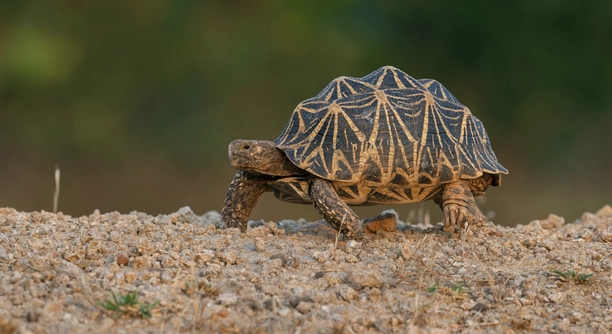
Indian star tortoises are herbivores, and their diet primarily consists of grasses, fruits, and leafy vegetables. While it’s important to be mindful of what they eat, it’s also helpful to know which foods can be a part of their diet.
Indian star tortoises can eat mint leaves in moderation. However, it is not recommended to make mint a regular part of their diet as it can cause digestive upset if overfed. Offering mint occasionally is best.
In the following sections, we will explore how much mint your tortoise can safely eat, along with other essential feeding tips for maintaining a balanced diet.
Can Mint Leaves Be Beneficial for Indian Star Tortoises?
Mint leaves contain vitamins and minerals, but they also have strong aromatic oils that can impact your tortoise’s digestive system. When given in moderation, mint may help in stimulating your tortoise’s appetite. However, feeding mint regularly can potentially upset their stomach, leading to discomfort or indigestion. Tortoises, especially Indian star tortoises, have sensitive digestive systems, so it’s important to avoid feeding them mint too often.
Mint can also act as a mild natural insect repellent, which may be helpful for your tortoise’s habitat. However, relying on mint as a regular part of the diet is not recommended. Its strong flavor and essential oils can disrupt the delicate balance of their gut flora if consumed in large quantities.
If you want to offer mint as a treat, it’s better to serve small portions, not more than once a week. This ensures they get the benefits without overloading their system.
How Often Should You Feed Mint to Your Tortoise?
It’s best to offer mint leaves no more than once a week. This helps avoid any negative effects on digestion.
Regular greens like dandelion leaves, clover, or other herbs should make up most of their diet. A varied and balanced diet will help ensure your tortoise stays healthy without overreliance on any one type of food. Mint should be treated as an occasional treat rather than a staple in their meals. Excessive mint consumption can lead to soft stools or loss of appetite, so moderation is key.
Risks of Feeding Mint to Indian Star Tortoises
Feeding too much mint can lead to digestive issues like bloating and diarrhea. Its strong oils can irritate your tortoise’s stomach, making it harder for them to properly digest food.
If mint is fed too often, it can disrupt the natural balance of bacteria in their gut, leading to a loss of appetite or stomach discomfort. Over time, this can cause more serious health problems. Symptoms like lethargy or excessive burping may indicate that mint has upset their system. Always be cautious with strong herbs like mint and observe how your tortoise reacts after consuming them.
Offering mint leaves occasionally as a treat is fine, but be sure to watch for any negative changes in their behavior or digestion. It’s essential to monitor their health and avoid making mint a regular part of their diet.
Signs of Overfeeding Mint to Tortoises
If you notice your tortoise becoming sluggish or refusing to eat, it may have eaten too much mint. This could be a sign of digestive upset.
In some cases, overfeeding mint can cause an imbalance in their diet, leading to nutrient deficiencies. While mint offers some vitamins, it shouldn’t replace other necessary foods like leafy greens or grasses. A well-rounded diet is crucial for your tortoise’s overall health. If your tortoise seems to show signs of digestive problems, reduce the mint intake and focus on offering more suitable foods. Always keep an eye on their general well-being and adjust their diet accordingly.
What Other Herbs Can Indian Star Tortoises Eat?
In addition to mint, your tortoise can enjoy other herbs in moderation. Basil, thyme, and parsley are safe alternatives. These herbs can provide variety, but should still be offered in small amounts.
Be careful when feeding herbs, as some plants can be toxic to tortoises. Always research each herb thoroughly before offering it. Even safe herbs should not make up a large portion of their diet, as they do not provide all the nutrients a tortoise needs for optimal health. Stick to offering herbs occasionally alongside other greens.
How to Properly Introduce New Foods to Your Tortoise
When introducing any new food, it’s best to start slowly. Begin by offering small amounts and monitor your tortoise’s reaction. If they seem to enjoy it and don’t show signs of discomfort, you can slowly increase the portion size.
It’s also essential to avoid sudden dietary changes. Tortoises may have sensitive stomachs, so abrupt shifts can cause stress or digestive upset. Introduce new foods gradually over the course of a few days to give their digestive system time to adjust. Always ensure the food is fresh and pesticide-free before feeding it to your tortoise.
Can Indian Star Tortoises Eat Mint Every Day?
No, Indian star tortoises should not eat mint every day. Mint contains strong oils that can cause digestive upset if fed too frequently. Offering mint leaves too often may lead to soft stools or stomach issues. Instead, mint should only be given as an occasional treat.
A balanced diet is key for your tortoise’s health, and mint should not replace staple foods like leafy greens or grasses. If fed too regularly, mint could cause more harm than good. It’s best to offer a variety of plants, ensuring they get the nutrients they need without over-relying on mint.
Is Mint Safe for Indian Star Tortoises?
Mint is safe for Indian star tortoises when given in moderation. While it provides some vitamins and minerals, its strong flavor and oils can cause digestive issues if overfed. Introduce mint in small portions to ensure it does not upset their system.
Tortoises with sensitive digestive systems can sometimes react negatively to mint. Watch for signs of discomfort or loss of appetite, which could indicate that mint is affecting their digestion. Keeping mint as an occasional treat allows your tortoise to enjoy its benefits without overdoing it.
How Much Mint Can I Feed My Indian Star Tortoise?
You can feed your Indian star tortoise a few small leaves of mint once a week. This ensures that your tortoise gets the potential benefits of mint without overwhelming its digestive system.
Stick to offering mint sparingly. Too much mint can disrupt the natural balance of their gut bacteria and lead to stomach issues. Other types of leafy greens and grasses should make up the majority of their diet. Always remember to provide a variety of food sources to meet all of their nutritional needs.
What Are the Best Foods for Indian Star Tortoises?
Indian star tortoises thrive on a diet rich in leafy greens, grasses, and vegetables. Foods like dandelion greens, clover, and hibiscus leaves are excellent choices. You can also provide occasional fruits such as melon or strawberries for a treat.
It’s important to avoid foods that are high in oxalates or goitrogens, like spinach or cabbage. These can interfere with calcium absorption or thyroid function. A variety of safe leafy greens and vegetables ensures that your tortoise gets the necessary nutrients to stay healthy. Always clean the food thoroughly and remove any pesticides or chemicals.
Can Indian Star Tortoises Eat Fruit?
Yes, Indian star tortoises can eat fruit, but only in moderation. Fruits like strawberries, melons, and papaya are safe and provide a nice change in flavor. However, fruits are higher in sugars, so they should only make up a small portion of your tortoise’s diet.
Feeding too much fruit can lead to digestive issues or obesity. It’s important to balance fruit with high-fiber vegetables and grasses, as these will provide the essential nutrients your tortoise needs. When feeding fruit, always cut it into small pieces to make it easier for your tortoise to consume.
What Foods Should I Avoid Feeding My Indian Star Tortoise?
There are several foods you should avoid feeding your Indian star tortoise. These include lettuce (especially iceberg), avocado, rhubarb, and anything high in oxalates like spinach.
Lettuce offers little nutritional value and can cause diarrhea. Avocado and rhubarb are toxic to tortoises and should never be given. Oxalates in spinach and other foods can interfere with calcium absorption and may cause kidney issues over time. Always research a food before feeding it to your tortoise to ensure it’s safe and healthy.
Can Indian Star Tortoises Eat Weeds?
Yes, Indian star tortoises can eat certain weeds. Weeds like dandelions and clover are great additions to their diet. These plants are high in fiber, calcium, and other nutrients that tortoises need.
However, not all weeds are safe for tortoises. Be sure the weeds you offer are free from pesticides or chemicals. Avoid weeds like poison ivy or any plant that you are not sure about. Providing safe, wild plants can offer your tortoise variety and help mimic their natural diet in the wild.
How Often Should I Feed My Indian Star Tortoise?
Indian star tortoises should be fed every day, but the amount and type of food should vary. Young tortoises need more food as they grow, while adults can eat smaller portions. A daily serving of fresh, leafy greens, grasses, and occasional fruits is ideal.
In addition to fresh food, ensure your tortoise always has access to fresh water. Tortoises are grazers and will eat throughout the day if the food is available. Make sure their diet is balanced and never too heavy on any one food type. A mix of nutritious greens and occasional treats works best.
Do Indian Star Tortoises Need Supplements?
Yes, Indian star tortoises may need calcium and vitamin D3 supplements, especially if they are not getting enough exposure to natural sunlight. These supplements help in bone development and prevent metabolic bone disease.
However, if your tortoise is getting proper sunlight or UVB light, supplements may not be necessary. Always consult with a vet before adding supplements to their diet, as over-supplementing can also cause harm. A balanced diet and proper lighting are key factors in keeping your tortoise healthy.
Can I Feed Indian Star Tortoises Commercial Food?
Commercial tortoise food can be used in moderation, but it should not be a substitute for fresh food. While some pellets or pre-packaged foods provide balanced nutrition, they may lack the variety and fiber that fresh greens and grasses offer.
If you choose to feed commercial food, look for high-quality products that contain all the necessary nutrients without unnecessary fillers. Still, fresh, natural foods should make up the majority of your tortoise’s diet. Always offer a mix of greens, vegetables, and occasional fruits to keep them healthy and happy.
When feeding your Indian star tortoise, it’s important to remember that variety and moderation are key. Mint leaves can be a fun treat for your tortoise, but it should not make up a large portion of their diet. As with any new food, it’s best to start slow and watch for any changes in their behavior or digestion. Mint, while safe in small amounts, contains essential oils that could lead to digestive issues if fed too often. So, keep mint as an occasional treat rather than a regular part of their meals.
A well-balanced diet for your tortoise should include a variety of leafy greens, grasses, and vegetables. These foods provide the necessary vitamins and minerals that are vital for their overall health. While fruits like strawberries or melon can be a nice addition to their diet, it’s important to limit their intake due to the high sugar content. Overfeeding fruit can lead to digestive problems or weight gain. Focus on offering fresh, pesticide-free greens and grasses to ensure your tortoise gets the best nutrition possible.
It’s also essential to be mindful of the risks associated with overfeeding any food, not just mint. Certain plants can be toxic, and some foods, even those deemed safe in moderation, can cause digestive discomfort or nutritional imbalances if fed too frequently. Always research a new food before introducing it to your tortoise’s diet. Consulting with a veterinarian can help you ensure that your tortoise’s diet is safe, balanced, and tailored to their specific needs. By offering a variety of foods and paying attention to portion sizes, you can help your Indian star tortoise live a long, healthy life.

Hello,
If you enjoy the content that we create, please consider saying a "Thank You!" by leaving a tip.
Every little bit helps us continue crafting quality advice that supports the health, happiness, and well-being of pets around the world, for pets of all shapes, sizes, and species.
We really appreciate the kindness and support that you show us!