
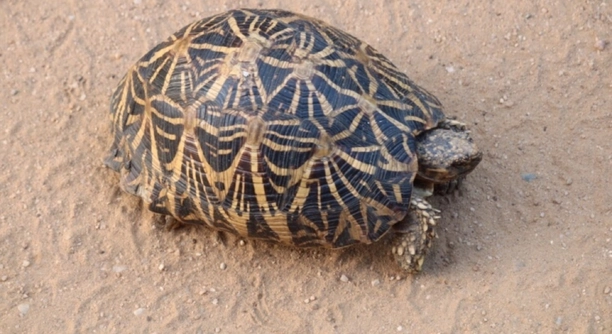
Do you ever notice your Indian star tortoise constantly crawling toward shadows, leaving you wondering why it prefers the darker areas of its habitat? This behavior may seem puzzling, but it has a few simple explanations.
Indian star tortoises instinctively seek out shadows to regulate their body temperature. As ectothermic reptiles, they rely on external sources for heat control, moving toward shaded areas when they need to cool down. Additionally, shadows provide a sense of security, mimicking natural hiding spots they would use in the wild.
Understanding this behavior can help you create a more comfortable environment for your tortoise. Learning why they seek shade will ensure their habitat meets their natural needs while keeping them healthy and stress-free.
The Role of Temperature Regulation
Indian star tortoises cannot generate body heat on their own, so they rely on their surroundings to stay comfortable. If their environment is too warm, they instinctively move toward shaded areas to cool down. Shadows help them avoid overheating, which can be dangerous for their health. In the wild, they use bushes, rocks, and burrows to find relief from the sun. If your tortoise is frequently crawling toward shadows, it may be trying to escape excessive heat. Providing a temperature gradient in their enclosure ensures they have both warm and cool areas to choose from. This helps them regulate their body temperature naturally and prevents discomfort.
A well-balanced habitat includes a heat source, a basking area, and plenty of hiding spots. If your tortoise spends too much time in the shadows, it could be a sign that the enclosure is too hot. Adjusting the temperature can make a big difference.
Paying attention to their behavior will help you understand their needs better. If your tortoise constantly avoids the basking area, consider lowering the temperature or adding more shaded spaces. This will keep them comfortable and allow them to thrive in their enclosure.
Seeking Safety in Shadows
Shadows offer more than just relief from heat; they also provide a sense of security.
In the wild, Indian star tortoises are prey animals, so they instinctively hide to protect themselves. Darker areas feel safer because they mimic natural hiding places like dense vegetation and rocky crevices. If your tortoise often moves toward shadows, it may be looking for a place where it feels secure. Having enough hiding spots in the enclosure helps them feel at ease.
A stressed tortoise may retreat into shadows frequently. Loud noises, frequent handling, or an unfamiliar environment can cause them to seek shelter. If you notice this behavior, check if anything in their surroundings is making them uneasy. Reducing stressors and providing multiple hiding areas can make them feel more at home. Creating a comfortable space with shaded zones, hides, and a predictable routine will keep your tortoise relaxed. When they feel safe, they will explore more and display natural behaviors, leading to a happier and healthier pet.
Natural Instincts and Behavior
Indian star tortoises have a strong instinct to seek out shaded areas. In their natural habitat, they spend a lot of time hiding under bushes and rocks to stay safe from predators. This behavior is deeply ingrained and continues even in captivity.
This species is most active during the cooler parts of the day, such as early morning and late afternoon. During the hottest hours, they instinctively retreat into shaded areas to avoid extreme temperatures. If your tortoise often moves toward shadows, it is likely following its natural pattern of activity. Providing a habitat with shaded spots and open areas allows them to choose where they feel most comfortable. When they have access to both, they can regulate their behavior naturally.
Enclosure design plays a big role in supporting natural behaviors. Adding shelters, plants, and shaded spaces can help your tortoise feel at home. If they are constantly hiding, it may be helpful to evaluate their environment. A well-balanced space will encourage natural movement and exploration. Making small adjustments to their setup can create a more enriching and comfortable habitat.
Adjusting the Environment
A tortoise that constantly hides in the shadows may need a better habitat setup. If the enclosure lacks proper hiding spots, they may feel exposed and unsafe, leading them to seek shade as a form of protection. Creating a balanced environment is essential for their well-being.
The best way to improve their enclosure is by adding natural hiding spaces. Use plants, logs, or commercially available hides to create shaded areas. Ensure the basking spot is not too hot, as excessive heat can drive them into hiding. The ideal temperature should be around 85-90°F in the basking area, with cooler spots available. Having a proper temperature gradient allows them to regulate their heat levels more effectively.
Lighting also affects their behavior. Too much artificial light or an incorrect day-night cycle can cause stress. Keeping a consistent light schedule that mimics natural daylight will help them feel more at ease. Making small changes can greatly improve their comfort and encourage a healthier routine.
Signs of Discomfort
A tortoise that spends most of its time in shadows may be too hot or stressed. If they avoid the basking area completely, check the temperature. Overheating can make them sluggish and uncomfortable, leading them to seek shade for relief.
Sudden changes in behavior can also indicate stress. Loud noises, frequent handling, or a new environment may cause them to hide more often. If your tortoise was previously active but is now constantly in the shadows, evaluate their surroundings and remove possible stressors. A calm and stable environment helps them feel more secure.
Encouraging Healthy Activity
A balanced habitat encourages natural movement. Providing shaded areas, basking spots, and open spaces allows your tortoise to choose where it feels most comfortable. Ensuring proper temperatures, reducing stress, and adding enrichment like logs or plants can make a big difference in their activity levels. A well-designed enclosure supports both their physical and mental well-being.
When to Seek Help
If your tortoise refuses to leave shaded areas, stops eating, or shows signs of lethargy, a health issue may be present. Persistent hiding combined with appetite loss or inactivity could indicate illness. A vet visit can help determine if medical attention is needed to ensure their well-being.
FAQ
Why does my Indian star tortoise always seek the shadows?
Your tortoise is likely seeking shade to regulate its body temperature. Being ectothermic, they rely on their environment to stay cool or warm. If they’re too hot, they will instinctively move toward cooler, shaded areas to avoid overheating. It’s part of their natural behavior, and it helps keep them safe and healthy. If they are spending too much time in the shadows, check the temperature of their enclosure to make sure it’s not too warm. A comfortable range of around 85-90°F in the basking area should work.
How can I make my tortoise feel more comfortable in its enclosure?
Ensure your tortoise has access to both warm and cool areas, as well as shaded spots for hiding. You can use logs, plants, and rocks to create natural hiding places and shaded zones. A well-lit area for basking is essential, but it should not be too hot. Providing a consistent day-night light cycle is also important for their comfort. Adjusting the environment to meet these needs will allow your tortoise to regulate its body temperature more effectively and feel secure.
Is it okay for my tortoise to stay in the shadows for long periods?
It’s normal for your tortoise to seek shade, but if they’re staying in the shadows constantly and avoiding the basking area, it may be a sign that the temperature is too high. Tortoises generally enjoy basking and will seek warmth when needed. If they’re avoiding heat completely, it could indicate stress or discomfort from excessive warmth. Try adjusting the temperature to create a more balanced gradient with cooler and warmer areas. This will encourage healthy behavior and prevent them from hiding too often.
How do I know if my tortoise is stressed?
Signs of stress include excessive hiding, refusal to eat, and lethargy. If your tortoise is staying in the shadows and seems inactive, it might be a sign of stress. Stress can be caused by environmental changes, frequent handling, or loud noises. To reduce stress, provide a quiet, stable environment with plenty of hiding spots. Keeping a consistent routine can also help your tortoise feel safe and secure.
What should I do if my tortoise refuses to bask?
If your tortoise isn’t basking, check the temperature and humidity levels in the enclosure. Basking areas should be warm but not excessively hot. Ensure there is a temperature gradient in the enclosure, so your tortoise can choose where to go based on its needs. If the temperature is within range and they still refuse to bask, it might be a sign of stress or illness. If this persists, consider consulting a vet.
Can my tortoise live in a completely shaded enclosure?
No, it’s essential for your tortoise to have access to both shaded and basking areas. They need the warmth from the basking spot to help digest food, regulate body temperature, and maintain overall health. A shaded area is necessary for cooling down, but without enough warmth, your tortoise may struggle with its health. Ensure that the enclosure offers both temperature extremes so your tortoise can regulate itself effectively.
How can I encourage my tortoise to explore more?
If your tortoise is spending a lot of time in shadows and not exploring, try adding more enrichment to their environment. You can add plants, rocks, and tunnels to encourage curiosity. A larger space allows them to roam and find areas where they feel comfortable. Giving your tortoise the option to explore will help reduce the stress of being confined to one spot. Try adjusting their environment to make it more stimulating while ensuring they have safe places to retreat.
How often should I adjust the temperature in my tortoise’s enclosure?
Temperature adjustments should be made according to the seasons and your tortoise’s behavior. In general, a basking spot temperature of 85-90°F is ideal. If your tortoise is spending too much time in shadows, you may want to lower the temperature of the basking area slightly. Monitor the enclosure regularly to ensure that the temperature gradient stays consistent. You should also check the enclosure if your tortoise starts behaving differently or seems to be hiding more often than usual.
Does my tortoise need UVB light?
Yes, UVB light is essential for your tortoise’s health. It helps them produce Vitamin D3, which is necessary for calcium absorption. Without proper UVB lighting, your tortoise could develop health issues like shell deformities or metabolic bone disease. A high-quality UVB bulb should be provided in the basking area to simulate sunlight. Ensure the bulb is replaced regularly, as it loses effectiveness over time.
Can shadows help my tortoise with digestion?
Shadows don’t directly aid in digestion, but by seeking shade, your tortoise can avoid overheating, which could cause discomfort and disrupt the digestion process. Keeping your tortoise at a comfortable temperature is essential for their overall well-being and digestion. A balance of warmth for basking and shade for cooling off helps them maintain their energy and digestive function.
Why does my tortoise hide more when it’s colder?
When temperatures drop, tortoises may hide to conserve energy and stay warm. As ectothermic animals, they depend on the external temperature to regulate their body heat. If the enclosure gets too cold, they may retreat into their shells or hidden spots to stay warm. Make sure your tortoise’s habitat has proper heating elements and a warm basking spot to avoid this behavior. If the temperature is too low, your tortoise may become inactive and avoid food.
Is it normal for my tortoise to hide more when stressed?
Yes, hiding is a natural response to stress. If your tortoise is feeling anxious or scared, it may retreat into shaded areas or hidden spots to feel safe. Stress can be caused by changes in the environment, loud noises, or excessive handling. If you notice signs of stress, work on creating a stable and peaceful environment with plenty of hiding spaces. This can help reduce stress and promote healthier behavior.
How can I make sure my tortoise stays healthy?
A healthy tortoise requires proper diet, temperature regulation, UVB lighting, and a clean environment. Provide a varied diet rich in leafy greens and occasional fruits. Ensure the enclosure is at a comfortable temperature with appropriate basking and shaded areas. Regular cleaning and maintaining a consistent day-night cycle are essential. Keep an eye on your tortoise’s behavior and look out for signs of illness. If you notice anything unusual, consult a vet.
Final Thoughts
Understanding why your Indian star tortoise crawls toward shadows is key to providing a healthy and comfortable environment. This behavior is mostly due to their need to regulate body temperature. Being ectothermic, they rely on their surroundings to help them stay cool or warm. If they feel too hot, they will naturally seek out shaded areas to avoid overheating. On the other hand, if they are too cold, they might look for warmth. In captivity, it’s important to provide a proper temperature gradient in their enclosure to help them maintain balance. This means having a basking area with enough warmth and cooler spots where they can retreat when needed. Creating a space with these features will make a big difference in your tortoise’s health and well-being.
Shadows also serve as a place of safety for your tortoise. In the wild, they are prey animals, and their instinct is to find hidden spaces where they feel secure. This instinct continues in captivity, where shaded spots offer comfort and protection. If your tortoise spends more time hiding than basking, it might be trying to avoid stress or feeling vulnerable. This could be caused by factors such as unfamiliar surroundings, loud noises, or frequent handling. To help your tortoise feel secure, ensure the enclosure is quiet, stable, and offers plenty of places to hide. Reducing stressors and giving them the option to retreat into the shadows when they need to can make a big difference in their behavior.
Creating an environment that meets your tortoise’s natural needs is essential for its happiness and health. A good balance of temperature, light, and security is key. If you notice your tortoise avoiding basking areas or staying in the shadows for too long, make sure the enclosure is not too hot or uncomfortable. By making small changes and paying attention to their behavior, you can ensure your tortoise feels safe and at ease. Whether it’s adjusting the temperature or adding more hiding spots, these adjustments will help your tortoise thrive.

Hello,
If you enjoy the content that we create, please consider saying a "Thank You!" by leaving a tip.
Every little bit helps us continue crafting quality advice that supports the health, happiness, and well-being of pets around the world, for pets of all shapes, sizes, and species.
We really appreciate the kindness and support that you show us!