
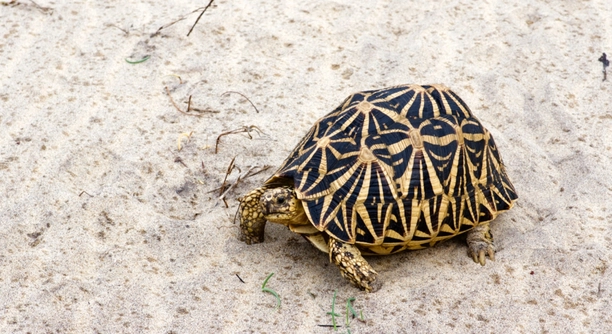
Are you wondering if Indian star tortoises can safely eat beets? Providing a balanced diet is essential to keeping them healthy, and knowing which foods are safe ensures they receive proper nutrition without unnecessary risks.
Indian star tortoises can eat beets, but only in moderation. Beets contain oxalates, which can interfere with calcium absorption and lead to health issues if consumed in excess. Offering beets occasionally, alongside a diet rich in leafy greens and fibrous plants, is recommended.
Including a variety of safe vegetables ensures your tortoise maintains a well-balanced diet. Understanding the right portions and frequency will help you provide the best care for your pet.
Nutritional Benefits and Risks of Beets for Indian Star Tortoises
Beets provide some beneficial nutrients, including fiber, vitamin C, and antioxidants, which can support digestion and overall health. However, they also contain oxalates, which can interfere with calcium absorption. Since Indian star tortoises require a calcium-rich diet for strong shells and bones, excessive oxalates may pose a risk. Feeding too many beets can contribute to calcium deficiencies and metabolic bone disease over time. Additionally, beets have natural sugars, which should be limited in a tortoise’s diet. While they are not toxic, they should only be given occasionally as a small part of a well-balanced diet.
A varied diet consisting mainly of leafy greens, grasses, and fibrous plants is best for Indian star tortoises. Foods high in oxalates or sugars should only be occasional treats to maintain proper nutrition and prevent health issues.
When feeding beets, offering them in small portions and infrequently is the best approach. This helps reduce any potential risks while still allowing your tortoise to enjoy variety in its diet.
How to Safely Feed Beets to Your Tortoise
Beets should always be given raw and cut into small, manageable pieces. Avoid cooking them, as this may alter their nutrient content.
To ensure your tortoise benefits from a balanced diet, mix beets with other safe vegetables and leafy greens. A diet too high in beets or other sugary vegetables may lead to digestive issues or nutrient imbalances. Rotate beets with other non-oxalate-rich vegetables like hibiscus leaves, dandelion greens, and mulberry leaves. This prevents excessive oxalate intake and provides a diverse range of nutrients.
Since hydration is also important, always provide fresh water alongside meals. Beets may stain your tortoise’s mouth or enclosure, but this is harmless and temporary. If your tortoise shows signs of digestive discomfort after eating beets, consider reducing or eliminating them from its diet. Observing your tortoise’s reaction to new foods ensures it stays healthy and enjoys a well-balanced diet.
How Often Can Indian Star Tortoises Eat Beets?
Beets should only be fed occasionally, about once or twice a month. Due to their oxalate content and natural sugars, offering them too frequently can lead to calcium deficiencies or digestive issues. Moderation is key to keeping your tortoise healthy and well-nourished.
A diet primarily consisting of grasses, leafy greens, and fibrous plants is ideal. Beets can be included as an occasional treat, but they should not replace staple foods. When feeding beets, keep the portion small—about the size of a tortoise’s beak. This prevents excess oxalate intake while still allowing dietary variety. Mixing beets with other low-oxalate vegetables helps maintain proper nutritional balance.
Observing your tortoise’s response to beets can help determine if they are well-tolerated. Some tortoises may enjoy them more than others, but individual tolerance varies. If you notice digestive issues, reduce or eliminate beets from their diet to prevent complications.
Other Vegetables to Include in Their Diet
A balanced diet should focus on fibrous, calcium-rich vegetables. Dandelion greens, hibiscus leaves, and mulberry leaves are excellent choices. These provide essential nutrients without the high oxalate content found in beets. Offering a mix of safe greens helps support digestion, shell health, and overall well-being.
Vegetables like mustard greens, collard greens, and prickly pear cactus pads are also beneficial. These options are rich in fiber and calcium, making them better daily choices. Variety is essential, so rotating vegetables ensures your tortoise receives a range of nutrients. Limiting high-sugar and oxalate-rich foods prevents potential health issues over time.
Consistency in diet is crucial for long-term health. Sticking to safe, nutrient-dense vegetables while minimizing occasional treats like beets keeps your tortoise healthy. Always prioritize fresh, pesticide-free produce to ensure their diet remains safe and beneficial.
Vegetables to Avoid Feeding Your Tortoise
Spinach, rhubarb, and Swiss chard should be avoided due to their high oxalate content, which can interfere with calcium absorption. Over time, this may lead to metabolic bone disease. While small amounts may not cause immediate harm, regular consumption can pose significant health risks.
Tomatoes, potatoes, and onions should also be excluded. Tomatoes are too acidic, potatoes contain harmful alkaloids, and onions can be toxic. These vegetables do not align with the dietary needs of Indian star tortoises and may cause digestive upset or long-term health issues.
Best Feeding Practices for a Healthy Diet
A proper feeding routine ensures balanced nutrition and prevents digestive issues. Offer fresh vegetables daily, focusing on fibrous, calcium-rich greens. Occasional treats like beets should be given in small portions, ensuring they do not disrupt the overall balance of the diet.
Final Thoughts on Feeding Beets
Beets can be included occasionally, but they should not replace essential greens. Moderation and variety are key to a well-balanced diet.
FAQ
Can Indian star tortoises eat beet greens?
Beet greens contain high levels of oxalates, which can interfere with calcium absorption. Feeding them occasionally in small amounts is fine, but they should not be a staple in your tortoise’s diet. Prioritizing low-oxalate greens like dandelion or hibiscus leaves is a safer option.
Are raw or cooked beets better for tortoises?
Raw beets are the best option since cooking can alter their nutritional composition and reduce fiber content. Indian star tortoises thrive on fibrous foods, so offering raw, finely chopped beets in moderation is ideal. Avoid seasoning or cooking methods that introduce added sugars or oils.
How much beet should I feed my tortoise?
A small portion, roughly the size of the tortoise’s beak, is enough. Feeding beets once or twice a month prevents excessive oxalate intake. Pairing beets with high-calcium vegetables helps balance the diet and minimize any potential negative effects.
Can baby Indian star tortoises eat beets?
Baby tortoises have more delicate digestive systems and higher calcium needs. It is best to avoid feeding beets to hatchlings and young tortoises. Their diet should focus on calcium-rich greens and fibrous plants to support healthy growth and shell development.
Do beets affect the color of a tortoise’s urine or feces?
Beets can cause a reddish tint in urine and feces, which may look alarming but is harmless. This is due to natural pigments in the beets and is not a sign of illness. If discoloration occurs without beet consumption, consult a veterinarian.
Can beets replace other vegetables in a tortoise’s diet?
Beets should never replace staple vegetables like grasses, dandelion greens, or prickly pear cactus pads. They lack the necessary fiber and calcium that Indian star tortoises require. Instead, use beets as an occasional treat rather than a dietary mainstay.
Are there any risks to feeding beets too often?
Yes, frequent beet consumption can lead to calcium deficiency and kidney issues due to high oxalate content. Over time, this may contribute to metabolic bone disease. Sticking to occasional feeding ensures that your tortoise maintains a balanced and healthy diet.
What are some other safe treats for Indian star tortoises?
Flowers like hibiscus, rose petals, and marigolds make great treats. Small portions of vegetables like squash or bell peppers can also be offered occasionally. Prioritizing fiber-rich, non-toxic plants ensures variety without compromising health.
How should I introduce beets into my tortoise’s diet?
Start with a tiny portion and observe how your tortoise reacts. If there are no digestive issues, beets can be included sparingly. Mixing them with familiar greens can make them more appealing while ensuring a balanced meal.
Can tortoises eat pickled or canned beets?
No, pickled and canned beets contain preservatives, added sugars, and high sodium levels, which are not suitable for tortoises. Always offer fresh, raw beets in small amounts to avoid unnecessary additives that may harm their digestive system.
Final Thoughts
Indian star tortoises can eat beets, but only in small amounts and on rare occasions. Beets contain beneficial nutrients but also have high oxalate levels, which can interfere with calcium absorption. Offering them as an occasional treat alongside calcium-rich greens helps maintain a balanced diet. It is important to prioritize fibrous, nutrient-dense foods that support their digestive system and overall health. Fresh beets are the best option, as cooked or processed versions can lose nutrients and contain additives that are not suitable for tortoises.
A well-balanced diet for an Indian star tortoise should consist mainly of grasses, hay, and leafy greens. Variety is important, but the focus should always be on foods that are high in fiber and low in oxalates. Beets should never replace staple foods like dandelion greens, prickly pear cactus pads, or hibiscus leaves. Other safe occasional treats include squash, bell peppers, and edible flowers. Feeding beets too often can lead to health issues, so it is best to offer them sparingly while ensuring the tortoise receives the right nutrients for strong bones and a healthy shell.
Observing your tortoise’s reaction to new foods is essential. Some tortoises may enjoy beets, while others may ignore them. If any digestive issues or changes in eating habits occur, it is best to remove beets from their diet. Maintaining a proper feeding schedule and monitoring food intake helps prevent health problems in the long run. A diet that closely mimics their natural food sources is the best way to ensure they stay active and healthy. Keeping a variety of safe foods in their diet while limiting oxalate-rich vegetables helps maintain optimal nutrition for their well-being.

Hello,
If you enjoy the content that we create, please consider saying a "Thank You!" by leaving a tip.
Every little bit helps us continue crafting quality advice that supports the health, happiness, and well-being of pets around the world, for pets of all shapes, sizes, and species.
We really appreciate the kindness and support that you show us!