
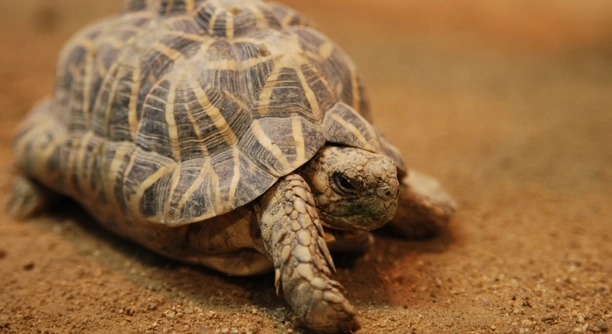
It’s not uncommon for pet owners to notice their Indian Star Tortoise remaining still for long periods. These behaviors can seem confusing, especially if you’re not sure why your tortoise seems disinterested in moving.
Indian Star Tortoises can remain immobile for several reasons, including environmental stress, improper habitat conditions, or health concerns. They may also stay still if they are too cold, stressed, or not feeling well.
Understanding the causes behind their stillness can help you create a better living environment and prevent potential issues. Let’s explore why your tortoise might be spending hours without moving.
Temperature and Humidity Issues
Your Indian Star Tortoise needs specific temperature and humidity levels to thrive. If their enclosure is too cold or too dry, it may cause them to stop moving or become lethargic. Tortoises are cold-blooded animals, so they rely on external heat sources to regulate their body temperature.
When the temperature in their enclosure drops below the recommended range (75°F–85°F), your tortoise might remain inactive. Similarly, if the humidity levels are too low (below 50%), it can lead to dehydration, which also contributes to immobility.
To ensure your tortoise stays active and healthy, check both temperature and humidity regularly. Providing a heat lamp or UVB light can help maintain the right conditions. A humidifier or water bowl may be needed to increase moisture levels in the habitat. Adjusting these factors can have an immediate impact on your tortoise’s behavior and overall health.
Stress or Overstimulation
If your tortoise feels stressed or overwhelmed by too much activity around them, they may choose to stay still. Loud noises, handling, or unfamiliar environments can trigger a sense of danger, causing your tortoise to freeze and seek safety.
An overly busy household or a new pet can also cause stress for your tortoise. When they feel unsafe or anxious, staying motionless is a natural defense mechanism. It’s important to create a calm, stable space for them to relax.
Over time, providing a consistent and quiet environment will help your tortoise feel more secure. You should avoid handling them too much and reduce external disruptions. A tortoise that feels safe and at ease will be more likely to move around and interact with its surroundings.
Health Problems
If your Indian Star Tortoise is refusing to move, health issues might be the reason. Infections, parasites, or metabolic bone disease can cause lethargy. These conditions are often accompanied by other symptoms like lack of appetite, shell deformities, or abnormal behavior.
A visit to the vet is essential if you notice any of these signs. A professional can properly diagnose the issue and provide the right treatment. Health concerns can be serious and may require specific medication or dietary changes to get your tortoise back to normal. Early intervention is key to preventing further complications.
If your tortoise isn’t moving and appears unwell, don’t wait for it to improve on its own. Delaying a vet visit can make the condition worse. Always monitor your tortoise for any changes in behavior and seek expert advice.
Improper Diet
A poor diet can also lead to immobility in tortoises. If your tortoise isn’t getting the right nutrients, it can cause digestive issues, lethargy, or calcium deficiencies. This can result in inactivity, as their body is unable to function at full capacity.
To prevent this, ensure you’re offering a balanced diet rich in leafy greens, grasses, and occasional fruits. Adding supplements like calcium or multivitamins may be necessary if your tortoise’s diet lacks variety. Overfeeding or offering foods high in oxalates (like spinach) can also cause issues, making it difficult for your tortoise to stay active.
Monitor your tortoise’s weight and behavior to assess whether their diet is effective. A healthy, well-fed tortoise is more likely to stay active and move around in its habitat.
Hibernation or Brumation
Indian Star Tortoises may enter a state of hibernation or brumation when the temperatures drop or during seasonal changes. This is a natural behavior that can cause them to remain still for extended periods. During this time, their metabolism slows down significantly.
If your tortoise is slowing down and staying still, it might just be preparing for a rest period. This is common in colder months, and the tortoise will typically resume normal activity when the temperature rises. Ensure the environment is suitable to avoid stress during this phase.
Enclosure Size
The size of the enclosure can also play a role in your tortoise’s inactivity. If the space is too small, they may feel confined and unwilling to explore or move around. A cramped habitat limits their freedom.
Make sure your tortoise’s enclosure is large enough to encourage natural movement and behavior. Provide hiding spots, areas for basking, and open space to roam. A larger enclosure allows for better environmental control and stimulation, encouraging your tortoise to stay active and healthy.
FAQ
Why is my tortoise not moving even though the temperature is right?
Sometimes, even with the correct temperature, your tortoise might remain still for other reasons. It could be stress, an illness, or an improper diet. If you’re certain the temperature is within the right range (75°F–85°F), check for other environmental factors, such as humidity or noise levels. Additionally, observe for any signs of health issues like a lack of appetite or changes in their shell. Stress or discomfort from an inappropriate habitat can also lead to immobility.
Can stress make my tortoise stay still?
Yes, stress is a significant factor that can cause your tortoise to remain still for hours. Changes in their environment, such as loud noises, new pets, or frequent handling, can overwhelm them. A stressed tortoise may freeze as a defense mechanism. If you notice a pattern of inactivity after changes in their environment, consider adjusting the surroundings to be more peaceful and stable.
How do I know if my tortoise is sick?
If your tortoise is not moving and seems to lack energy, it could be a sign of illness. Pay attention to changes in behavior, such as lack of appetite, weight loss, or unusual breathing patterns. A healthy tortoise should be active, eating well, and exploring its environment. If you observe these symptoms, it’s best to schedule a vet appointment. Early detection of issues like respiratory infections, shell rot, or parasites can prevent more serious health problems.
How long can a tortoise go without moving?
Indian Star Tortoises can stay still for long periods, but it should not be a regular occurrence. If your tortoise is not moving for several hours or days, it might be due to an underlying issue. However, some inactivity during sleeping hours or after eating is normal. It’s essential to monitor their behavior and act if this immobility becomes prolonged or frequent. Check for signs of stress, poor habitat conditions, or health issues.
Should I wake up my tortoise if it’s not moving?
If your tortoise is not moving but seems otherwise healthy, don’t feel the need to wake them. Tortoises, especially older ones, can spend long periods resting, particularly if they’re in brumation or hibernation. However, if you suspect illness, try gently handling them or offer some food to check for responsiveness. If they remain unresponsive, seek professional help from a vet.
Can diet affect my tortoise’s movement?
Yes, diet plays a crucial role in your tortoise’s overall activity levels. A poor diet, lacking the right nutrients like calcium and fiber, can lead to lethargy and inactivity. Overfeeding with foods high in sugar or fat can also cause weight gain and lack of energy. Offering a variety of leafy greens, grasses, and occasional fruits can keep your tortoise active and healthy. If you’re unsure of the proper diet, consulting with a vet for recommendations can be helpful.
What should I do if my tortoise refuses to move after being handled?
If your tortoise becomes still after handling, it could be due to stress or discomfort. Tortoises are sensitive to being picked up too often or too roughly. Give your tortoise time to relax and settle into a quiet environment. Check for signs of stress, such as withdrawal, hiding, or refusing food. Avoid handling your tortoise too frequently, especially if it seems agitated.
Can temperature changes cause my tortoise to stop moving?
Yes, sudden temperature drops or fluctuations can make your tortoise immobile. As cold-blooded creatures, tortoises need a consistent, warm environment to stay active. If the temperature drops below the necessary range, they may enter a state of dormancy, staying still to conserve energy. Ensure your tortoise has access to a heat source like a lamp or basking spot to maintain the correct temperature. Avoid placing their enclosure near drafty areas or windows.
What are the signs of dehydration in a tortoise?
Dehydration can cause lethargy and inactivity. If your tortoise isn’t moving or eating, dehydration may be the cause. Common signs include dry, flaky skin, sunken eyes, and infrequent urination. To prevent dehydration, ensure your tortoise always has access to fresh water. You can also soak them in lukewarm water for 20-30 minutes a few times a week to help with hydration. If dehydration is suspected, consult a vet immediately.
How much space does my tortoise need in its enclosure?
Providing enough space is vital for your tortoise’s physical and mental well-being. A cramped enclosure can limit their movement and make them feel stressed. A general rule of thumb is that the enclosure should be at least 4 times the length of your tortoise. More space allows them to explore, exercise, and maintain a healthy lifestyle. Make sure the enclosure also has hiding areas, basking spots, and access to water.
If your Indian Star Tortoise is refusing to move for hours, it’s important to consider the environment, health, and diet as potential causes. Many factors, like temperature, humidity, or stress, can contribute to their lack of movement. Tortoises are sensitive to changes in their surroundings, so small adjustments may help them feel more comfortable and active. It’s crucial to create a stable environment where your tortoise feels secure and has all its needs met, including proper heating, humidity, and space.
Health concerns can also be a reason for your tortoise’s inactivity. If your pet seems lethargic or unresponsive for a prolonged period, it could be dealing with illness, such as infections, parasites, or even metabolic bone disease. Regular checkups with a vet can help catch any health issues early. If you notice other signs of distress like a change in appetite or behavior, seek professional help immediately to ensure that your tortoise is getting the right care. Addressing health issues quickly can prevent further complications and help your tortoise recover faster.
Finally, pay attention to your tortoise’s diet. An improper diet, lacking essential nutrients or offering foods that are too high in fat or sugar, can cause lethargy. It’s essential to feed them a variety of leafy greens, grasses, and occasional fruits to maintain energy levels and overall health. Supplements may be necessary if your tortoise isn’t getting the proper nutrients from its diet. A well-balanced diet is a key factor in ensuring your tortoise remains active and happy, so make sure you’re meeting its nutritional needs to support its long-term well-being.

Hello,
If you enjoy the content that we create, please consider saying a "Thank You!" by leaving a tip.
Every little bit helps us continue crafting quality advice that supports the health, happiness, and well-being of pets around the world, for pets of all shapes, sizes, and species.
We really appreciate the kindness and support that you show us!