
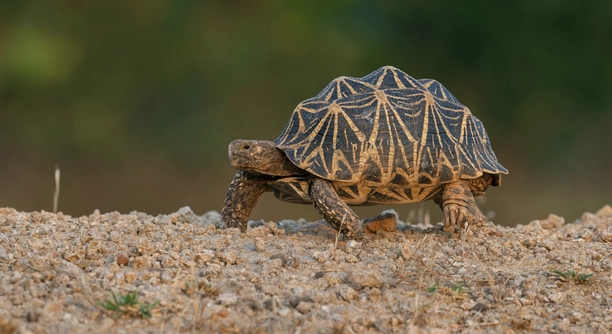
Indian Star Tortoises are herbivores, enjoying a variety of plant-based foods in their diet. Understanding what they can safely consume is crucial for their health. Wheatgrass may be a suitable option, but is it beneficial?
Indian Star Tortoises can eat wheatgrass, as it provides essential nutrients such as fiber and vitamins. However, wheatgrass should be offered in moderation to avoid overfeeding, which could cause digestive issues. A balanced diet is key for their well-being.
Wheatgrass can offer valuable nutrition to your tortoise, but it should be part of a diverse, balanced diet for optimal health.
Nutritional Benefits of Wheatgrass for Indian Star Tortoises
Wheatgrass is a nutrient-rich option for Indian Star Tortoises, offering a variety of vitamins and minerals. It is particularly high in fiber, which supports digestion and helps maintain a healthy gut. The grass contains essential vitamins like A, C, and E, as well as important minerals such as calcium and iron. These nutrients play a role in maintaining the tortoise’s overall health, from supporting its immune system to promoting strong shell growth. Wheatgrass is also packed with antioxidants, which can protect the tortoise’s cells from damage. However, while wheatgrass can be beneficial, it’s important to remember that variety is key to a balanced diet. Offering it alongside other vegetation ensures a well-rounded intake of nutrients for the tortoise.
Wheatgrass offers valuable nutrients for Indian Star Tortoises. However, moderation is essential. It should be treated as a supplemental food, not the sole component of their diet. Too much wheatgrass can lead to digestive discomfort, so balance is important.
Providing a variety of plant-based foods like leafy greens, dandelion leaves, and edible flowers ensures your tortoise gets all the essential nutrients it needs. A diverse diet supports the growth of healthy shells and the overall well-being of the tortoise. Wheatgrass can be an important addition to this diet, but it should never replace other plant-based options. You can rotate the wheatgrass with other greens to offer a balanced approach. Also, be mindful of the freshness of the wheatgrass, as older, dried grass may lose its nutritional value. Keep in mind that feeding your tortoise a variety of vegetables, leaves, and grasses not only mimics their natural diet but also provides the best chance for longevity and health.
How to Safely Offer Wheatgrass to Indian Star Tortoises
Moderation is key when introducing wheatgrass to your tortoise’s diet. Fresh wheatgrass should be the preferred option over dried or processed alternatives.
When adding wheatgrass to the diet, it’s crucial to start slow, allowing your tortoise to adjust. Offering small amounts initially will help prevent any digestive upset. Observe your tortoise closely after feeding wheatgrass to ensure it doesn’t cause any issues, such as bloating or diarrhea. Once your tortoise adapts, you can increase the amount gradually. Always make sure the wheatgrass is fresh, as old or wilted grass can lose nutritional value. To make it more engaging for your tortoise, try offering it in different ways, such as scattering it around their habitat or using it as a supplement to their main food. This encourages natural foraging behavior, which is important for mental and physical stimulation. Additionally, always provide clean water to ensure proper hydration when introducing new foods like wheatgrass to their routine.
Potential Risks of Feeding Wheatgrass to Indian Star Tortoises
Wheatgrass is generally safe for Indian Star Tortoises, but there are risks to consider. Overfeeding wheatgrass can lead to digestive issues like diarrhea. Wheatgrass is high in fiber, and too much fiber in the diet can cause discomfort. Always balance wheatgrass with other vegetation to avoid excessive fiber intake.
While wheatgrass offers many nutritional benefits, it is essential to avoid making it a staple food. A diet too rich in wheatgrass can result in an imbalance of nutrients. The high fiber content, if not balanced with other food sources, can cause bloating or difficulty in digestion. Introducing variety into the diet ensures that the tortoise receives all the necessary nutrients without overloading on one specific type of food. Wheatgrass should be offered alongside leafy greens and other plants to ensure a healthy digestive system and proper nutrient absorption.
It’s also important to check the quality of the wheatgrass before offering it to your tortoise. Wheatgrass that has been exposed to pesticides or grown in contaminated soil may pose a health risk. Always source wheatgrass from trusted suppliers and wash it thoroughly before feeding it to your tortoise. In addition, be cautious about giving your tortoise wheatgrass that has begun to decay or wilt, as it can harbor bacteria and mold, which could be harmful. Regularly monitoring the health of your tortoise and adjusting its diet accordingly is key to avoiding any negative effects from feeding wheatgrass.
How to Grow Wheatgrass for Your Indian Star Tortoise
Growing wheatgrass at home is a simple and rewarding process. It provides fresh, nutrient-rich grass for your tortoise to enjoy.
To grow wheatgrass, all you need is some wheat seeds, a shallow container, and good quality soil. Start by soaking the wheat seeds in water overnight. After soaking, place them on top of the soil in the container and gently cover them with a thin layer of soil. Keep the container in a warm, sunny spot, and water it regularly, making sure the soil stays moist but not soaked. In about 7-10 days, the wheatgrass will be ready for your tortoise to eat. You can cut the grass to the desired length as it grows.
Growing wheatgrass at home allows you to provide your tortoise with a fresh, pesticide-free option. Not only is it cost-effective, but it also ensures the grass is grown in the healthiest conditions. If you have multiple tortoises, growing wheatgrass in a few containers will provide a steady supply. It’s an easy way to supplement your tortoise’s diet with fresh greens, while also reducing the risk of contamination from store-bought alternatives. Additionally, this method gives you more control over the growing process and ensures that your tortoise receives high-quality grass every time.
Wheatgrass Alternatives for Indian Star Tortoises
If wheatgrass isn’t suitable for your tortoise, there are several other nutritious options to consider. Leafy greens like dandelion greens, collard greens, and mustard greens are excellent alternatives. They provide similar nutritional benefits, such as fiber, vitamins, and minerals that are essential for your tortoise’s health.
Dandelion greens are particularly beneficial because they’re high in calcium, vitamin A, and antioxidants. These greens mimic a tortoise’s natural diet, ensuring they get a variety of essential nutrients. Collard greens and mustard greens are also great options, offering high fiber content, vitamin C, and other nutrients that support overall health. Always rotate greens to avoid nutrient imbalances.
How to Store Wheatgrass for Your Tortoise
To preserve the freshness of wheatgrass, store it in a cool, dry place. Place it in a sealed container or bag to keep it from wilting too quickly.
Wheatgrass should be consumed within a few days of being harvested for optimal nutrient content. If you have leftover wheatgrass, store it in the fridge to prolong its freshness. You can also freeze small portions if you plan to use it later. This allows you to provide fresh grass even when it’s not readily available. Be sure to remove any wilted or spoiled wheatgrass to prevent feeding your tortoise subpar grass. Proper storage ensures your tortoise receives the best possible nutrition.
The Role of Wheatgrass in a Balanced Tortoise Diet
Wheatgrass plays a supportive role in a balanced diet but shouldn’t be the primary food source. Combining wheatgrass with other vegetables, fruits, and safe plants ensures a well-rounded meal. It can be a great addition when offered in moderation.
FAQ
Can Indian Star Tortoises eat wheatgrass every day?
It’s best not to feed wheatgrass every day. While it offers many nutrients, feeding it too frequently can lead to digestive issues or imbalances in their diet. Wheatgrass should be offered as a supplement to other plants and greens. A variety of foods ensures a balanced diet. You can include wheatgrass a few times a week but avoid making it a daily habit. Rotating wheatgrass with other leafy greens helps maintain proper nutrition for your tortoise.
Is wheatgrass safe for baby Indian Star Tortoises?
Wheatgrass can be safe for baby Indian Star Tortoises, but it should be introduced carefully. Babies have more sensitive digestive systems, so it’s important to offer small amounts initially. Gradually increase the amount as they grow and adjust to it. Always ensure they have a balanced diet by including other greens alongside wheatgrass. Offering wheatgrass in moderation helps prevent any digestive upset.
How do I know if my tortoise is eating too much wheatgrass?
If your tortoise eats too much wheatgrass, you might notice signs like bloating, diarrhea, or lethargy. These could indicate digestive discomfort. If you observe these symptoms, reduce the amount of wheatgrass and offer other greens or plants. It’s important to monitor your tortoise’s overall health and ensure they are eating a variety of foods.
Can wheatgrass replace other greens in a tortoise’s diet?
No, wheatgrass should not replace other greens in your tortoise’s diet. While it provides beneficial nutrients, a variety of plants is essential for balanced nutrition. Leafy greens like dandelion leaves, collard greens, and kale should be offered in addition to wheatgrass. A diverse diet ensures that your tortoise receives the full range of vitamins and minerals needed for optimal health.
Is wheatgrass high in calcium for Indian Star Tortoises?
Wheatgrass is not as high in calcium compared to other greens, such as dandelion greens. While it does provide some calcium, it should not be relied on as the main source of this important mineral. Calcium is vital for your tortoise’s shell growth and bone health. Always ensure your tortoise’s diet includes calcium-rich foods to support their development.
Can I grow wheatgrass outdoors for my tortoise?
Yes, you can grow wheatgrass outdoors for your tortoise. It grows easily in most climates and thrives in full sunlight or partial shade. If you’re growing it outside, make sure the soil is well-drained and free of pesticides. You can harvest the grass once it reaches a few inches tall and feed it to your tortoise. Always ensure the grass is fresh and clean to avoid contamination.
How often should I water the wheatgrass I grow for my tortoise?
Wheatgrass needs to be watered regularly, but not excessively. Keep the soil consistently moist, but avoid overwatering, as this can cause mold or rot. Water the grass once a day or every other day, depending on the climate and how quickly the soil dries out. The soil should remain damp to the touch but never soggy. Good water management helps your wheatgrass grow healthily for your tortoise.
Can I feed my Indian Star Tortoise dried wheatgrass?
Dried wheatgrass should be avoided if possible. Fresh wheatgrass contains more nutrients, including vitamins and minerals that are essential for your tortoise. Dried wheatgrass may lose much of its nutritional value over time, and it may also be harder for your tortoise to digest. Always offer fresh wheatgrass to ensure your tortoise gets the most benefit.
Is it safe to feed my tortoise wheatgrass from a store?
Wheatgrass from the store can be safe for your tortoise, but you should take precautions. Make sure the grass hasn’t been treated with chemicals or pesticides. Always wash it thoroughly before feeding it to your tortoise to remove any potential contaminants. If you’re unsure about the source of the wheatgrass, it’s better to grow it yourself to ensure quality and safety.
What other grasses can I feed my Indian Star Tortoise besides wheatgrass?
In addition to wheatgrass, you can offer other grasses such as timothy hay or oat grass. These grasses provide fiber and other nutrients that are important for your tortoise’s health. Timothy hay, in particular, is rich in fiber and is commonly used as a food source for many types of tortoises. Mixing different types of grasses can help provide variety and balance in your tortoise’s diet. Always ensure the grasses you offer are free from chemicals and pesticides.
What should I do if my tortoise refuses to eat wheatgrass?
If your tortoise refuses to eat wheatgrass, it could be a sign of dietary boredom or a preference for different foods. Try offering fresh, high-quality wheatgrass and combine it with other greens to increase its appeal. You can also experiment with different textures or methods of serving, such as cutting it into smaller pieces or mixing it with their regular food. If the refusal persists, consult with a vet to ensure there are no underlying health concerns.
Can wheatgrass help with my tortoise’s shell growth?
While wheatgrass offers many nutrients, it’s not a direct contributor to shell growth. The most important factors for shell development include calcium and vitamin D3. Wheatgrass does provide some beneficial vitamins and minerals, but it’s essential to include foods that are rich in calcium, such as dandelion greens, for healthy shell growth. A balanced diet with proper calcium intake will promote optimal shell health.
Is wheatgrass good for tortoises with digestive issues?
Wheatgrass can help promote healthy digestion due to its fiber content. However, if your tortoise is already experiencing digestive issues, introducing wheatgrass may cause more harm than good. It’s best to consult with a veterinarian before making any changes to their diet. In some cases, a vet may recommend specific types of grass or plant-based food that can aid in digestion.
Final Thoughts
Indian Star Tortoises can benefit from the occasional addition of wheatgrass to their diet. It offers essential vitamins and minerals that can help support their overall health. However, it should be treated as a supplement, not the main component of their nutrition. Wheatgrass contains some fiber and vitamins that can contribute positively to their digestive health, but it does not provide all the nutrients they require. A balanced diet that includes a variety of other greens, vegetables, and safe plants is essential for their long-term well-being.
When feeding wheatgrass to your tortoise, it’s important to monitor the amount. Too much wheatgrass can lead to digestive discomfort and an imbalance in their diet. It’s always wise to rotate different types of greens and grasses to ensure your tortoise gets a range of nutrients. Including other sources of calcium, such as dandelion greens, is necessary to maintain strong shells and bones. While wheatgrass is a good option, variety in their food choices will provide better results for their health.
Growing wheatgrass at home can be a convenient and safe option for feeding your tortoise. It’s easy to grow and can be harvested regularly without worrying about pesticides. Whether you choose to buy it or grow it yourself, always ensure it is fresh and clean before feeding it to your tortoise. By maintaining a diverse diet and providing the right care, you can help ensure your tortoise lives a healthy and active life. Remember, proper diet and care are the foundation of a thriving tortoise.

Hello,
If you enjoy the content that we create, please consider saying a "Thank You!" by leaving a tip.
Every little bit helps us continue crafting quality advice that supports the health, happiness, and well-being of pets around the world, for pets of all shapes, sizes, and species.
We really appreciate the kindness and support that you show us!