
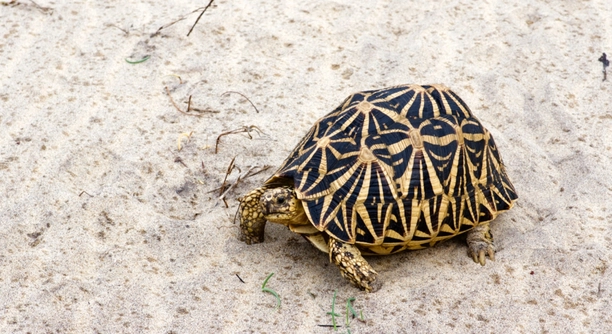
Indian Star Tortoises are fascinating creatures, but when they start digging constantly, it can be concerning for any pet owner. Understanding why your tortoise might engage in this behavior is essential for ensuring their health and well-being.
The primary reason for excessive digging is a natural behavior linked to various factors such as mating, nesting, stress, or environmental changes. It is often a sign that your tortoise is trying to create a suitable space for itself.
This article will guide you through the possible causes of constant digging and offer tips to help manage and reduce it.
Why Digging Happens: Natural Instincts and Behavior
Indian Star Tortoises are naturally inclined to dig as part of their instinctive behavior. Digging helps them find shelter, build a comfortable space, and regulate their body temperature. This is especially true in the wild, where they need to burrow into the ground to protect themselves from extreme weather conditions.
While digging is common, it can become excessive if your tortoise is feeling stressed or uncomfortable in its environment. It could also be a way for them to seek out more food or water. You might notice your tortoise digging more around the same spot, which may indicate they’re looking for something specific.
It’s important to remember that tortoises are not simply digging for fun. They do so to create a space that feels safe or comfortable. If you’re seeing a lot of digging, take a moment to assess the overall setup in their habitat. Is there enough space for them to roam? Are there enough hiding spots? Are the temperatures in the enclosure optimal? These factors can all play a significant role in why your tortoise feels the need to dig.
Mating and Nesting Behavior
If your tortoise is male, it may dig as part of its mating behavior. Males often dig in an attempt to create a nesting site to attract females. Female tortoises, on the other hand, dig when they are ready to lay eggs.
This behavior can become noticeable when the seasons change or when your tortoise is experiencing a shift in its internal clock. If your tortoise is acting restless or digging more than usual during these times, it’s likely related to their natural mating and nesting instincts. Understanding this can help you better manage the situation.
If your tortoise is not showing signs of mating or egg-laying, you can minimize digging by ensuring they feel secure and comfortable in their environment. Make sure your tortoise’s enclosure is large enough to allow for exploration, and avoid overcrowding. A happy, well-stimulated tortoise is less likely to dig out of stress.
Stress and Anxiety: Environmental Triggers
When tortoises feel stressed, they may dig as a way to cope. Changes in their environment, such as new pets, loud noises, or even a different location, can make them uneasy. This stress may result in constant digging as they try to find comfort.
Creating a stable environment is key to reducing stress-related digging. Make sure your tortoise has a consistent routine, with proper lighting, temperature, and humidity levels. Avoid any sudden changes in their living space. If new pets are introduced, do so gradually to help your tortoise adjust. Stress from sudden shifts can overwhelm them and lead to digging.
Tortoises may also dig if their enclosure is too small or doesn’t have enough hiding spots. In the wild, they would have ample space to roam and find shelter. A cramped or barren enclosure can make them feel trapped. Consider adding more elements like rocks or plants to help them feel more secure. This will provide stimulation and reduce the stress that causes digging behavior. A secure tortoise is a happy tortoise.
Health Issues and Digging
Sometimes, tortoises dig excessively due to underlying health problems. If your tortoise is digging more than usual and also showing signs of lethargy or loss of appetite, it could be dealing with a health issue. It’s important to monitor their overall behavior closely.
Common health problems like respiratory infections or parasites can lead to abnormal behaviors, including digging. If your tortoise’s digging seems extreme and is paired with other signs of illness, it may be time to visit a vet. Ensuring your tortoise’s health is in good condition can help prevent unnecessary digging.
When your tortoise is unwell, it may also be searching for a place to rest or feel comfortable. Just like humans, animals instinctively seek out places where they feel safer when they’re not feeling well. If the digging behavior doesn’t improve after addressing the environmental factors, it’s always best to consult a professional.
Temperature and Humidity Concerns
Indian Star Tortoises thrive in specific temperature and humidity ranges. If the temperature or humidity in their environment isn’t right, they may dig to escape discomfort. Both too high or too low can trigger this behavior.
Proper heat and humidity levels help tortoises regulate their body temperature. If your tortoise is constantly digging, check the temperature and humidity in their enclosure. A basking area with temperatures between 90°F and 95°F, along with a cooler side around 75°F to 80°F, is ideal. Humidity should be kept around 50-70%. Ensure these factors are in check to prevent discomfort.
A small adjustment in temperature or humidity can reduce excessive digging. Make sure their basking light is working properly and check if the overall environment feels too hot or too cold for your tortoise. A comfortable, balanced enclosure will reduce unnecessary digging.
Lack of Stimulation
Tortoises are naturally curious and need mental stimulation. Without enough things to explore, they may start digging out of boredom. Regular interaction and changes to their environment can help them feel more engaged.
Offer your tortoise different textures to explore, like rocks, plants, or logs. Adding a variety of objects can keep them from getting bored and reduce excessive digging. Regular enrichment, like hiding food in different areas, will keep their environment stimulating. A lack of change in their space can lead to repetitive behaviors, including digging.
Proper Diet
A well-balanced diet is key to your tortoise’s health and behavior. If your tortoise isn’t getting enough nutrients, it may dig out of frustration. A diet lacking in fiber, calcium, or variety can lead to abnormal actions.
Make sure your tortoise has a varied diet of leafy greens, flowers, and occasional fruits. Providing the right nutrition ensures that they stay healthy and less likely to dig from hunger or discomfort. A balanced diet helps them maintain their energy levels, preventing unnecessary behaviors caused by nutritional deficiencies.
FAQ
Why does my Indian Star Tortoise dig so much?
Tortoises naturally dig for various reasons, including nesting, searching for food or water, and seeking comfort. In captivity, they may dig more due to environmental stress, lack of stimulation, or incorrect temperature and humidity levels. It’s important to assess their habitat and behavior to determine the cause.
How can I stop my tortoise from digging constantly?
To reduce digging, start by improving their environment. Ensure the enclosure is large enough for them to explore and provides hiding spots. Make sure the temperature and humidity are optimal. Offering mental stimulation like new objects or hiding food can also help prevent boredom-induced digging.
Can digging be a sign of illness?
Yes, excessive digging can sometimes be a sign of health problems. If your tortoise is digging more than usual and showing signs of lethargy, loss of appetite, or unusual behavior, it may be dealing with an infection or parasites. It’s important to consult a vet if you suspect health issues.
Is my tortoise digging because it’s stressed?
Stress is a common cause of digging. Changes in their environment, like new pets, loud noises, or even changes in their living space, can lead to stress-induced digging. Creating a stable, calm environment can help reduce this behavior. Avoid sudden changes and ensure they feel secure.
What temperature should I maintain in my tortoise’s enclosure?
Indian Star Tortoises need a warm environment with a basking area around 90-95°F. The cooler side of the enclosure should range between 75-80°F. Maintaining this temperature balance is important for their overall well-being. Make sure the enclosure is equipped with a reliable heat source.
How can I make sure my tortoise feels comfortable?
Comfort for your tortoise comes from providing a proper habitat. Ensure there is enough space for them to roam, a variety of textures for exploration, and hiding spots for security. Consistently monitor the temperature and humidity levels to keep them in a comfortable range. Avoid overcrowding the enclosure and provide mental stimulation.
Can my tortoise dig out of boredom?
Yes, boredom can lead to excessive digging. Tortoises need mental stimulation to prevent this behavior. Offer them new objects, change their habitat occasionally, and introduce challenges like hiding food. Regular interaction and environmental enrichment can keep your tortoise from digging out of boredom.
What can I add to my tortoise’s enclosure to reduce digging?
Adding rocks, logs, and plants can provide your tortoise with more things to explore and climb. Offering a variety of surfaces and hiding spots can make them feel secure and reduce excessive digging. Keep the environment stimulating but not overwhelming, as too much can also cause stress.
Should I worry if my tortoise is digging a lot during the breeding season?
Mating and nesting behaviors are natural during breeding seasons. Female tortoises often dig to prepare a place to lay eggs, while males dig to attract mates. If your tortoise is digging more during this time, it’s likely part of their reproductive instincts. Monitor for any other signs of distress.
What should I do if my tortoise is digging excessively at night?
If your tortoise digs at night, it might be a sign of temperature or humidity issues. Check that the enclosure is warm enough, especially at night. You might need a heat lamp or a ceramic heat emitter to maintain the correct temperatures during nighttime. Also, ensure they’re not disturbed by external noises.
Can improper diet cause my tortoise to dig?
Yes, an improper diet can affect your tortoise’s behavior. If they are not receiving enough fiber, calcium, or variety in their food, they may dig out of frustration or hunger. Make sure your tortoise has a well-balanced diet consisting of leafy greens, flowers, and occasional fruits to meet their nutritional needs.
How often should I change my tortoise’s habitat to prevent digging?
Regularly changing your tortoise’s environment can help keep them engaged and reduce boredom-related digging. However, don’t make too many changes at once, as this might cause stress. Instead, try adding new items or rearranging their enclosure every few weeks to provide new stimuli. Always monitor how your tortoise responds to any changes.
Final Thoughts
If your Indian Star Tortoise is digging constantly, it’s important to take a step back and assess the possible reasons behind the behavior. Digging is a natural instinct for tortoises, but it can also be a sign of environmental or health issues. By understanding the factors that influence this behavior, you can help create a better living environment for your pet. Whether it’s due to temperature imbalances, stress, or even a breeding instinct, addressing the root cause of the digging will help keep your tortoise happy and healthy.
One of the most common reasons for excessive digging is an improper enclosure setup. Tortoises need a comfortable environment that mimics their natural habitat as much as possible. This includes the right temperature and humidity, enough space to roam, and hiding spots where they can feel safe. Without these factors in place, your tortoise may resort to digging as a way to find comfort or escape. Monitoring the conditions of your tortoise’s habitat is crucial in ensuring they feel secure, which can reduce the need for constant digging.
Finally, it’s important to consider your tortoise’s diet and overall health. A poor diet can lead to boredom and frustration, which may cause more digging behavior. Ensure that your tortoise receives a balanced diet rich in fiber and calcium, as well as a variety of fresh foods. If the digging behavior doesn’t seem to improve with environmental adjustments, it’s always best to consult a veterinarian to rule out any health problems. Keeping your tortoise both physically and mentally stimulated will help them thrive and reduce excessive digging over time.

Hello,
If you enjoy the content that we create, please consider saying a "Thank You!" by leaving a tip.
Every little bit helps us continue crafting quality advice that supports the health, happiness, and well-being of pets around the world, for pets of all shapes, sizes, and species.
We really appreciate the kindness and support that you show us!