
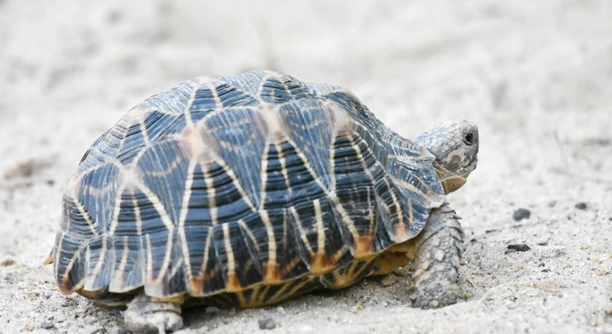
Indian Star Tortoises are popular as pets, admired for their distinctive appearance and docile nature. As responsible pet owners, understanding what foods are safe for them is crucial to their well-being. One common question is whether they can eat sweet potatoes.
Yes, Indian Star Tortoises can eat sweet potatoes in moderation. They are a good source of vitamins and fiber, but it is essential to feed them in controlled portions to avoid digestive issues or excessive sugar intake.
Feeding your tortoise the right portions of sweet potato ensures they get the nutritional benefits without compromising their health. The next steps will help you understand safe feeding practices and how to incorporate this food properly into their diet.
Can Indian Star Tortoises Eat Sweet Potatoes Regularly?
Sweet potatoes offer a variety of nutrients that can benefit your Indian Star Tortoise, such as vitamins A and C. These nutrients support immune health and overall well-being. However, while sweet potatoes are safe in small amounts, feeding them too often can lead to potential issues. Their high sugar content can disrupt the balance of their diet, and excessive amounts of starchy foods may cause obesity or digestive problems. It’s important to understand that although sweet potatoes are nutritious, they should be treated as a treat or occasional addition to your tortoise’s diet.
Moderation is key when feeding sweet potatoes to your tortoise. You don’t need to include them daily, and a small amount once or twice a week will suffice. The idea is to provide variety while ensuring your pet’s nutritional needs are met without going overboard on one particular food.
Offering a well-balanced diet with a range of vegetables, fruits, and leafy greens is vital. A constant rotation of fresh foods keeps your tortoise healthy. Along with sweet potatoes, consider other safe foods like dandelion greens, collard greens, and small amounts of cucumber. Mixing things up ensures your tortoise gets a wide range of nutrients to thrive.
What Should You Be Careful About When Feeding Sweet Potatoes?
One thing to keep in mind is that sweet potatoes should always be served cooked. Raw sweet potatoes may be harder for your tortoise to digest and can cause discomfort. When preparing sweet potatoes, ensure they are boiled, steamed, or baked. Always avoid adding any salt, butter, or seasonings that could be harmful to your pet.
While sweet potatoes are generally safe, it’s best to feed them in small portions. For an adult tortoise, a 1-inch cube is usually enough per serving. Larger portions can lead to issues like bloating or overly soft stools. Over time, too much sugar or starch can also impact your tortoise’s digestive health, so it’s crucial to maintain variety in their diet. You should also monitor their behavior and stool consistency to ensure that the food is not causing any problems. Keeping their diet rich in leafy greens, grasses, and flowers, while offering sweet potatoes sparingly, will help ensure they stay healthy.
How to Safely Prepare Sweet Potatoes for Your Tortoise
When preparing sweet potatoes for your tortoise, the most important step is cooking them properly. Raw sweet potatoes are difficult for them to digest, so boiling, steaming, or baking is necessary. Once cooked, cut them into small, bite-sized pieces to avoid choking hazards.
Always peel the skin off before serving, as it can be tough for your tortoise to handle. You should also avoid adding any spices, oils, or salt, which can be harmful to their health. By keeping the preparation simple, you make sure your tortoise gets only the benefits of the sweet potato without any risks.
Feeding them small portions, once or twice a week, helps you avoid overfeeding. Too much can lead to digestive issues, so moderation is crucial. A small cube of cooked sweet potato, about 1 inch, is the right amount. Always observe your tortoise after introducing new foods to ensure they react well. If your pet enjoys it and shows no signs of digestive upset, you can keep this occasional treat as part of their diet.
Other Safe Vegetables and Fruits for Indian Star Tortoises
Besides sweet potatoes, Indian Star Tortoises can enjoy a variety of vegetables and fruits. Leafy greens like dandelion greens, collard greens, and mustard greens are great choices. These provide essential vitamins and minerals without the excess sugars found in fruits or starchy vegetables.
You can also add small amounts of fruits like berries, apples, and melons to their diet. These should be served in moderation due to their higher sugar content. You might also consider offering safe flowers like hibiscus and clover. These not only enhance their diet but can also help make feeding time more exciting for your tortoise. Make sure any fruits or vegetables you offer are pesticide-free and washed thoroughly.
Mixing in these foods regularly ensures your tortoise receives a variety of nutrients, making for a balanced and healthy diet. Always remove any uneaten food after a few hours to avoid spoilage. Keep an eye on how your tortoise reacts to different foods, adjusting portions as needed to maintain a healthy weight and digestive system.
Portion Control for Sweet Potatoes
It’s essential to practice portion control when feeding your tortoise sweet potatoes. Offering them too often or in large amounts can disrupt their balanced diet. A 1-inch cube of cooked sweet potato is a good portion size for most adult Indian Star Tortoises.
You don’t need to include sweet potatoes regularly. They should be treated as an occasional treat, not a staple in their diet. Too much of it can cause digestive issues like diarrhea or bloating. Balance their meals with other vegetables and greens for optimal health.
Signs of Overfeeding Sweet Potatoes
If you notice that your tortoise is eating too many sweet potatoes, there are some signs to look for. Soft stools, bloating, or a decrease in appetite can indicate digestive issues. Overfeeding can also lead to weight gain, which isn’t healthy for a tortoise.
Keep a close eye on their behavior and stool consistency after introducing sweet potatoes into their diet. If any changes occur, you may want to reduce the frequency of sweet potato servings. Balancing their diet will help avoid these issues and keep them healthy long-term.
Importance of Variety in Your Tortoise’s Diet
Variety is key to a healthy diet for your Indian Star Tortoise. Along with sweet potatoes, include leafy greens, grasses, and occasional fruits to ensure a wide range of nutrients. This helps to avoid over-reliance on one type of food, which can lead to deficiencies or excesses.
Providing different food options will also prevent boredom and encourage your tortoise to enjoy a broader range of flavors and textures. A mix of vegetables and fruits, as well as different textures, will keep your tortoise’s diet well-rounded. This diversity supports their health and well-being in the long run.
FAQ
Can I feed my Indian Star Tortoise raw sweet potatoes?
No, raw sweet potatoes should not be fed to your tortoise. They are tough and harder to digest. Always cook sweet potatoes by boiling, steaming, or baking them before offering them to your tortoise. This makes them easier on the digestive system and allows your pet to absorb the nutrients more effectively.
How often can I give sweet potatoes to my tortoise?
Sweet potatoes should be given to your Indian Star Tortoise only once or twice a week. They can be a healthy treat, but due to their high sugar and starch content, it’s important to keep portions small and avoid overfeeding. Feeding them too often can lead to digestive problems or weight gain.
What is the proper portion size for sweet potatoes?
For an adult tortoise, the ideal portion size for sweet potatoes is about a 1-inch cube. This ensures they get a small amount of the nutritious benefits without overloading their digestive system with too much sugar or starch. Keep the portions in moderation for the best health outcomes.
Are there any risks of feeding sweet potatoes to my tortoise?
The main risk of feeding too many sweet potatoes is an imbalance in your tortoise’s diet. Excess sugar and starch can cause digestive issues like soft stools, bloating, or even weight gain. As long as you feed them in moderation and maintain a varied diet, sweet potatoes are safe.
Can sweet potatoes help with my tortoise’s health?
Yes, sweet potatoes are rich in vitamins A and C, which support immune health and help with digestion. They also provide fiber, which is important for the digestive system of your tortoise. However, they should not be the primary source of nutrition—variety is key for overall health.
Can I feed sweet potatoes to my baby tortoise?
It is best to avoid feeding sweet potatoes to baby tortoises, especially in the early stages of their growth. They are more sensitive to certain foods, and the high sugar and starch content can be too much for their developing digestive system. Stick to leafy greens and grasses for young tortoises.
Are there any other vegetables I can feed my tortoise?
Yes, there are many other vegetables safe for your Indian Star Tortoise. Good options include dandelion greens, collard greens, mustard greens, and clover. You can also offer occasional pieces of zucchini, pumpkin, and bell peppers. Just ensure you rotate these foods to keep their diet balanced.
Can I feed my tortoise fruits with sweet potatoes?
It’s fine to offer fruits with sweet potatoes, but it should be done carefully. Fruits like berries, apples, and melons can be included, but should only be given in small amounts due to their higher sugar content. Too much fruit can upset the balance of their diet.
Should I peel sweet potatoes before giving them to my tortoise?
Yes, you should peel the sweet potato before feeding it to your tortoise. The skin can be difficult to digest and may cause discomfort. After peeling, you can cut the sweet potato into small pieces and cook it thoroughly before serving.
Can my tortoise eat sweet potato vines?
Tortoises can eat sweet potato vines in moderation, but they are not a primary food source. Ensure that the vines are free from pesticides or chemicals, as these can harm your tortoise. Always wash the vines thoroughly before feeding them to avoid any risks.
Can sweet potatoes cause obesity in tortoises?
Yes, if fed in excess, sweet potatoes can contribute to obesity in tortoises. Their high sugar and starch content can cause weight gain, especially when not balanced with other foods. Keeping portions small and feeding sweet potatoes occasionally is essential for preventing obesity in your tortoise.
What are the signs my tortoise ate too much sweet potato?
If your tortoise has eaten too much sweet potato, you may notice soft stools, bloating, or a decrease in appetite. These signs indicate that the digestive system is struggling with the excess sugar and starch. If you observe these symptoms, reduce the frequency of sweet potato feedings.
Can I feed my tortoise other types of potatoes?
It is better to avoid feeding your tortoise other types of potatoes, especially raw ones. Raw potatoes contain solanine, which is toxic to tortoises and other reptiles. Always stick to safe, non-toxic vegetables like leafy greens, squash, and safe fruits. Sweet potatoes are a safer option when feeding occasionally.
Is it okay to mix sweet potatoes with other foods?
Yes, you can mix sweet potatoes with other safe foods, such as leafy greens, vegetables, and some fruits. This helps ensure your tortoise gets a well-rounded diet. Just be sure to offer the right portions of each food to maintain balance and avoid overfeeding any one item.
Can sweet potatoes help with shell growth in tortoises?
While sweet potatoes are rich in vitamins, they are not a direct factor in shell growth. A healthy shell depends on a balanced diet, proper UVB lighting, and calcium intake. While sweet potatoes provide some nutrients, they should be part of a broader diet that supports your tortoise’s overall health.
How should I store leftover sweet potatoes for my tortoise?
If you have leftover cooked sweet potatoes, store them in an airtight container in the refrigerator for up to 2-3 days. Always discard any uneaten portions after a few hours to prevent spoilage. You can also freeze small portions of cooked sweet potato for later use. Just make sure to thaw them properly before feeding.
Can I feed sweet potatoes every day if I mix them with other vegetables?
Even when mixed with other vegetables, sweet potatoes should not be a daily food. Their high sugar and starch content makes them unsuitable for daily feeding. Stick to offering sweet potatoes once or twice a week, and focus on providing a wide variety of other vegetables and leafy greens daily.
Incorporating sweet potatoes into your Indian Star Tortoise’s diet can offer some health benefits when fed in moderation. They are rich in vitamins and fiber, which support your tortoise’s immune system and digestive health. However, it’s important to remember that sweet potatoes should not be the main part of their diet. Feeding them too often or in large portions can lead to digestive issues or weight gain. By offering sweet potatoes only once or twice a week, you can provide a nutritious treat without overloading your tortoise’s system.
While sweet potatoes are safe when cooked properly and served in small portions, variety remains the key to a balanced diet. Along with sweet potatoes, make sure to feed your tortoise a mix of leafy greens, grasses, and other safe vegetables and fruits. These foods provide the essential nutrients your tortoise needs to thrive. A diverse diet will prevent deficiencies and keep your tortoise happy and healthy. It’s also a good idea to remove any uneaten food to avoid spoilage, and always ensure the food is free from pesticides or chemicals.
Overall, feeding your Indian Star Tortoise sweet potatoes should be done carefully and in moderation. Pay attention to portion sizes, avoid overfeeding, and focus on providing a well-rounded diet. By sticking to these guidelines and offering variety, you can ensure your tortoise receives the proper nutrition they need. Regularly monitoring their health and adjusting their diet accordingly will help keep them in the best condition possible.

Hello,
If you enjoy the content that we create, please consider saying a "Thank You!" by leaving a tip.
Every little bit helps us continue crafting quality advice that supports the health, happiness, and well-being of pets around the world, for pets of all shapes, sizes, and species.
We really appreciate the kindness and support that you show us!