
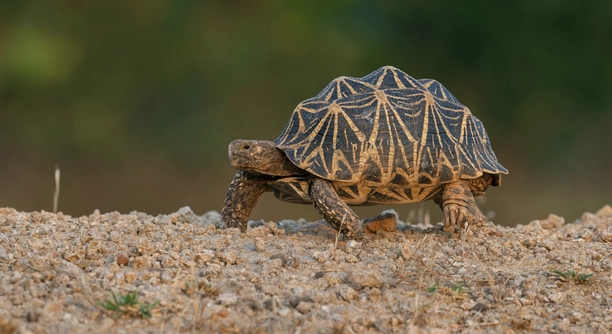
An Indian Star Tortoise may appear to fall asleep outside its hide, but there are a few factors to consider. It is important to understand its behavior, as this could indicate different needs or environmental changes.
One common reason your tortoise may be resting outside its hide is due to temperature fluctuations or insufficient hiding spots. When a tortoise is too cold or stressed, it may remain inactive, seeking comfort in different locations of its environment.
Understanding your tortoise’s behavior will help you create the right environment for its well-being. Adjustments like providing warmth and a comfortable hide may prevent excessive sleepiness outside its shelter.
Temperature and Light Impact
If your Indian Star Tortoise is spending too much time outside its hide, temperature and lighting may be playing a significant role. Tortoises are cold-blooded, so they rely on their environment to regulate their body temperature. If the area where your tortoise lives is too cold or too hot, it may feel sluggish and prefer resting in an exposed area. In the wild, tortoises naturally seek out warm, sunny spots during the day to help maintain body heat. If the enclosure does not have a suitable heat source, this could cause your tortoise to remain inactive for longer periods.
Providing a consistent heat source, such as a heat lamp, ensures that your tortoise can maintain the necessary temperature for proper digestion and activity. Additionally, it’s important to make sure there are both shaded and sunlit areas for your tortoise to choose from. This allows the tortoise to regulate its own temperature and comfort.
A consistent temperature gradient in the enclosure will help keep your tortoise active and healthy, mimicking its natural environment. If the setup is too cold, your tortoise may not have the energy to seek out its hide and may instead rest where it feels less stressed.
Stress and Environmental Factors
Stress is another factor that can cause a tortoise to avoid its hide. Environmental changes, such as unfamiliar sounds or new animals, can cause your tortoise to feel anxious. This can result in increased lethargy or an unwillingness to stay in the hide.
Ensuring the tortoise’s environment remains peaceful and free of distractions will help it feel secure. Avoid sudden changes and make sure the enclosure remains calm and stable.
Health and Diet Concerns
If your tortoise is lethargic, it could be related to its diet or health. Poor nutrition can lead to weakness or a lack of energy. Ensure your tortoise is eating a balanced diet of leafy greens, vegetables, and occasional fruits, as a lack of nutrients may cause them to act sluggishly.
Another common issue is dehydration. Tortoises can become dehydrated if they don’t have access to clean water or proper humidity levels. This can lead to inactivity or unusual behavior. Make sure to provide fresh water daily and mist the enclosure to maintain proper humidity.
A healthy, well-fed tortoise will be more active, seeking out different spots in its enclosure. If its diet or water intake is inadequate, it will likely remain inactive outside its hide. Maintaining a proper diet and hydration routine can ensure your tortoise stays active and healthy.
The Right Hiding Spot
The hiding spot you provide your tortoise matters. If it’s too small or uncomfortable, it may prefer staying outside in more exposed areas. Make sure the hide is large enough to accommodate your tortoise comfortably, offering a space where it feels safe and secure.
If your tortoise is regularly sleeping outside its hide, consider the placement and conditions of the hide. It should be placed in a quiet area with limited disturbances, mimicking natural burrowing spots. It’s also important that the hide has the right temperature and humidity to provide a stress-free resting environment.
A proper hide allows your tortoise to feel secure and reduce stress levels. If the hide is unsuitable, your tortoise may prefer open areas. Adjusting the hide’s conditions can encourage your tortoise to stay inside when it’s time to rest.
Overexposure to Sunlight
Excessive exposure to sunlight could cause your tortoise to feel drained or overheated. Tortoises naturally enjoy sunbathing, but too much time in direct sunlight, especially without adequate access to shade, may lead to exhaustion. Ensure that your tortoise has areas to retreat from the sun.
Providing a balance of sun and shade is crucial for maintaining your tortoise’s energy levels. A proper setup includes UVB light and basking spots without overexposure. You want to avoid making your tortoise feel uncomfortable or fatigued, which could result in it resting more than usual outside its hide.
Temperature Fluctuations
Extreme temperature changes, especially sudden drops, can cause your tortoise to become sluggish. Tortoises need a stable temperature to stay active and comfortable. If the temperature in the enclosure changes too quickly, your tortoise may prefer to stay still outside its hide to conserve energy.
Consider adding a thermostat to maintain consistent heat levels, and make sure that both the warm and cooler areas of the enclosure are well regulated. This helps your tortoise stay active and in a healthy state. If temperatures fluctuate too much, lethargy will increase.
FAQ
Why is my Indian Star Tortoise not moving much?
If your tortoise isn’t moving much, it could be due to temperature, lighting, or even health issues. Tortoises are sensitive to environmental conditions, so a drop in temperature can make them more sluggish. Ensure your enclosure maintains a stable temperature, especially during cooler months. A lack of proper heat or UVB light may also cause inactivity, as tortoises rely on these elements for energy. Additionally, if your tortoise is not eating or drinking enough, dehydration or poor diet could be a contributing factor to lethargy.
Can an Indian Star Tortoise get too hot outside?
Yes, tortoises can get too hot if they are exposed to direct sunlight for too long without the option to cool down. Overheating can cause stress, dehydration, and even heatstroke. It is crucial to provide areas with shade or cool places where your tortoise can retreat if needed. UVB lighting is beneficial, but balance is key. Ensure that the temperature gradient in the enclosure allows your tortoise to regulate its body heat by moving between warmer and cooler areas.
How often should I feed my Indian Star Tortoise?
Your tortoise should be fed daily to maintain a healthy diet. A balanced diet of dark leafy greens, grasses, and occasional fruits should be provided in appropriate portions. Offer food that is high in fiber to encourage proper digestion. Be cautious with the frequency of fruit as too much can cause imbalances. Keep an eye on your tortoise’s appetite; if it seems uninterested in food, this may signal health or environmental issues.
Is it normal for my tortoise to sleep outside its hide?
It is not ideal for your tortoise to regularly sleep outside its hide, but it may do so if it’s more comfortable in that spot. Factors like temperature, lighting, and stress could influence its behavior. If your tortoise seems to be resting outside its hide more than usual, check the temperature in its enclosure, ensure it has a suitable hiding spot, and minimize environmental stressors. A proper hide should provide both comfort and security.
How can I tell if my Indian Star Tortoise is stressed?
Signs of stress in a tortoise include lack of appetite, excessive hiding, lethargy, or unusual behaviors like biting or scratching the enclosure. Environmental factors, such as loud noises or overcrowding with other animals, may contribute to stress. Stress can also result from temperature fluctuations, inadequate hiding spots, or even the wrong kind of substrate. Keep a consistent environment and minimize sudden changes to reduce stress.
Can I keep my tortoise outside all day?
Yes, you can keep your tortoise outside all day as long as the weather is suitable and the enclosure provides shelter from the sun, wind, and rain. A secure outdoor area will allow your tortoise to experience natural sunlight and grazing opportunities. However, make sure to bring it inside if the weather becomes too extreme or temperatures drop too low, as tortoises can become susceptible to cold. Always ensure it has access to fresh water and shade.
How can I make my tortoise’s enclosure more comfortable?
To make your tortoise’s enclosure more comfortable, you should focus on temperature regulation, providing hiding spots, and creating a varied substrate. The enclosure should have a warm basking area and a cooler spot, so your tortoise can regulate its body temperature. Include a proper hide where it can retreat for privacy and safety. Use a mix of materials like coconut coir or soil for the substrate to encourage natural digging behavior. Adding plants or rocks can also give it more space to explore.
Why is my tortoise always in the same spot?
If your tortoise is always in the same spot, it could be due to a few reasons. It may be searching for warmth or comfort, especially if the temperature is inconsistent. If the area is a consistent temperature or is near the food or water source, your tortoise may stay there for convenience. If the spot feels safer or more secure than the rest of the enclosure, your tortoise may stay there. Make sure it has access to different areas to help prevent boredom or stress.
What should I do if my tortoise is not eating?
If your tortoise is not eating, check the temperature and humidity levels in its enclosure. A drop in temperature can make it less interested in food. Additionally, changes in diet or stress can lead to a loss of appetite. If the environmental conditions are ideal and your tortoise still refuses to eat, it may be a sign of illness, and you should consult a vet. Offering different foods or slightly warming the food can also encourage eating.
Final Thoughts
It’s important to recognize that a tortoise’s behavior, such as falling asleep outside its hide, can often be linked to environmental factors. Temperature, lighting, and even stress levels can impact their activity. If your Indian Star Tortoise seems to prefer resting outside its hide more than usual, it might be a sign that the environment isn’t optimal. Make sure to monitor the temperature and humidity levels regularly. Too much heat or not enough UVB light can leave your tortoise feeling sluggish. On the other hand, providing a proper basking area and shade will give your tortoise options to regulate its body temperature as needed. Keep its space comfortable and secure.
Another factor that should be considered is your tortoise’s diet. The right nutrients play a big role in their energy levels and overall health. A well-balanced diet, including plenty of greens, fresh water, and the occasional fruit, will keep your tortoise healthy and active. If you notice that it’s not eating as much, it could be a sign of something else going on, such as stress or health issues. If you’ve already made adjustments to its environment and diet and the issue persists, it might be worth consulting a veterinarian for a more thorough check-up.
In conclusion, understanding your tortoise’s natural behavior and how it reacts to its surroundings is essential. Falling asleep outside its hide could be just a small sign that its environment needs some attention. By adjusting lighting, temperature, and diet, you can help make sure your tortoise is comfortable. Always observe any changes closely, and don’t hesitate to seek professional advice if needed. With the right care, your Indian Star Tortoise can continue to thrive in its home.

Hello,
If you enjoy the content that we create, please consider saying a "Thank You!" by leaving a tip.
Every little bit helps us continue crafting quality advice that supports the health, happiness, and well-being of pets around the world, for pets of all shapes, sizes, and species.
We really appreciate the kindness and support that you show us!