
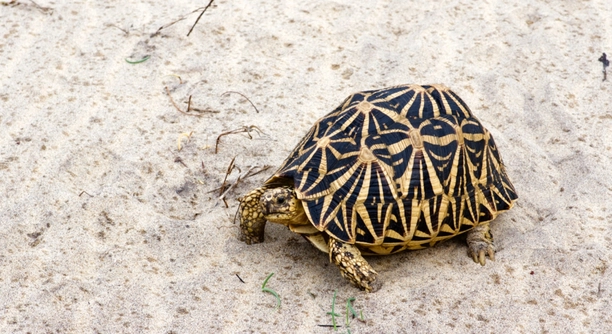
Is your Indian star tortoise constantly facing the corner, leaving you wondering what might be causing this behavior? Understanding why your tortoise exhibits this habit can help you determine if it is a natural tendency or a sign of an issue.
Indian star tortoises often face corners due to environmental stress, inadequate lighting, or illness. They may also do this when feeling insecure, seeking warmth, or attempting to hide. Ensuring proper habitat conditions can help prevent this repetitive behavior and promote their well-being.
Providing the right temperature, lighting, and enclosure setup can make a difference. Identifying possible stressors will help create a comfortable and secure environment for your tortoise.
Common Reasons Your Indian Star Tortoise Faces the Corner
Your tortoise may be facing the corner due to stress, discomfort, or environmental factors. A habitat that lacks hiding spots, has improper temperatures, or has too much activity nearby can make them feel uneasy. Tortoises also tend to move toward darker, enclosed spaces when they feel threatened or overwhelmed. If the enclosure is too small, your tortoise may continuously walk into corners, searching for more space. Another reason could be boredom or lack of stimulation, which may cause repetitive behaviors. Identifying the exact cause will help you adjust their environment for a more comfortable and natural living space.
A lack of proper lighting and temperature regulation can contribute to this behavior. Tortoises need a balanced environment with warm and cool areas to regulate their body temperature effectively. If they feel too hot or too cold, they may seek corners as a way to escape discomfort.
Providing an adequately sized enclosure, proper heating, and multiple hiding spots can make a difference. Enclosures should include a warm basking area, cooler sections, and shaded spaces for hiding. Ensure the substrate is suitable for burrowing and that they have access to fresh water. Reducing external stressors, such as loud noises and excessive handling, can also help them feel more secure.
How to Help Your Tortoise Feel Secure
Creating a stress-free environment starts with evaluating the enclosure setup. If the habitat is too open, consider adding more hiding spots using plants, logs, or small shelters. A well-designed space allows them to feel safe while still having room to explore.
Make sure the temperature and humidity levels match their natural needs. Indian star tortoises thrive in warm, humid conditions, with a basking temperature around 95°F and cooler areas around 75°F. Use a high-quality UVB light to support healthy growth and prevent health issues. Inconsistent lighting can affect their behavior and overall well-being.
Monitor their behavior closely to identify patterns. If they always face the same corner, check for drafts, temperature fluctuations, or possible reflections that might be confusing them. If they show other unusual behaviors, such as lack of appetite or excessive hiding, consult a reptile veterinarian. Addressing environmental issues and ensuring a comfortable setup will help your tortoise feel secure, reducing the need to seek corners for comfort.
Signs That Your Tortoise Might Be Stressed
A stressed tortoise may show signs such as reduced appetite, frequent hiding, or excessive pacing. If they consistently face the corner and refuse to explore, it could indicate discomfort. Other signs include irregular sleeping patterns, shell-rubbing against surfaces, or sudden changes in behavior.
Environmental changes can trigger stress. If the enclosure is too small, overcrowded, or lacks proper temperature regulation, your tortoise may feel unsettled. Loud noises, bright lights, and frequent disturbances can also contribute. Even minor adjustments, like moving decorations or changing their diet too quickly, can make them anxious. Observing their behavior will help determine if stress is the cause.
Providing a stable and predictable environment can ease stress. Keep their enclosure in a quiet location and maintain consistent lighting cycles. Avoid handling them too often, as this can cause anxiety. Offering hiding spots, soft substrate, and a balanced diet will help them feel more secure and comfortable.
Adjusting the Habitat for a Happier Tortoise
The enclosure should be spacious enough to allow natural movement. A small space can make your tortoise feel confined, leading to repetitive behaviors like corner-facing. A minimum enclosure size of 4×2 feet is ideal, with larger areas preferred for better stimulation and comfort.
Ensure a proper temperature gradient by providing a basking area with a heat lamp set around 95°F, while the cooler end should remain around 75°F. Use a UVB light to promote healthy shell and bone development. Substrate choices like coconut coir or cypress mulch help maintain humidity and allow burrowing, which makes them feel safe. Clean their habitat regularly to prevent buildup of bacteria and odors.
Adding plants, rocks, and small hides gives them places to retreat when needed. Reduce external stressors by keeping them in a calm environment, away from loud sounds or frequent handling. A well-balanced diet with fresh greens and occasional treats ensures overall health. Making these changes can significantly improve your tortoise’s comfort and prevent stress-related behaviors.
Ensuring Proper Lighting and Temperature
A consistent lighting schedule helps regulate your tortoise’s daily routine. Use a UVB light for 10–12 hours daily to support shell and bone health. Without proper lighting, they may become lethargic and develop long-term health issues, affecting their overall well-being.
Temperature control is essential for maintaining activity levels. A basking spot around 95°F provides necessary warmth, while cooler areas should stay around 75°F. Using heat lamps and ceramic heaters ensures stable conditions. If temperatures drop too low, your tortoise may become inactive and seek corners for warmth and security.
Recognizing When a Vet Visit Is Needed
Sudden behavioral changes, such as prolonged corner-facing, lack of appetite, or labored breathing, could indicate illness. Other concerning signs include weight loss, swollen eyes, and unusual shell discoloration. If your tortoise shows any of these symptoms, consult a reptile veterinarian for proper diagnosis and treatment to ensure their health.
Final Habitat Adjustments
Check for reflective surfaces that may confuse your tortoise, causing them to face corners repeatedly. Covering glass walls or adjusting the enclosure setup can help. Adding more hiding spots, a variety of textures, and enriching elements will encourage natural behaviors, making them feel safer and more comfortable.
FAQ
Why does my Indian star tortoise always face the corner of its enclosure?
Tortoises may face corners due to stress, boredom, or discomfort. If their enclosure lacks space, proper lighting, or enrichment, they may seek the corner for security. Temperature imbalances, reflections on glass, or unfamiliar surroundings can also contribute to this repetitive behavior.
Is corner-facing a sign of illness in tortoises?
While not always a sign of illness, frequent corner-facing combined with lethargy, weight loss, or unusual breathing can indicate health issues. Respiratory infections, metabolic bone disease, or digestive problems might be the cause. If symptoms persist, a veterinarian visit is necessary.
Can boredom cause my tortoise to face the corner?
Yes, a lack of stimulation can lead to repetitive behaviors. Tortoises need hiding spots, varied textures, and room to explore. If their enclosure is too bare, they might face the corner out of boredom. Adding plants, logs, and digging areas can help keep them engaged.
How can I stop my tortoise from facing the corner?
First, assess their enclosure setup. Ensure they have enough space, proper lighting, and a comfortable substrate. Remove reflective surfaces that may confuse them, and add enrichment like rocks, plants, and tunnels. Keeping their habitat stable and consistent can prevent stress-induced behaviors.
Is my tortoise scared if it keeps hiding in the corner?
If your tortoise frequently hides and avoids interaction, they may feel threatened or insecure. Sudden environmental changes, loud noises, or frequent handling can cause anxiety. Providing hiding spots, reducing disturbances, and maintaining a stable routine will help them feel more at ease.
Does improper lighting affect my tortoise’s behavior?
Yes, lack of UVB lighting can impact their health and behavior. Without proper exposure, they may become sluggish and prefer isolated spots. A UVB light should be on for 10–12 hours daily to support their shell and bone development.
Can enclosure size affect my tortoise’s behavior?
A small enclosure can make your tortoise feel confined, leading to stress and repetitive behaviors. A minimum of 4×2 feet is recommended, but larger spaces are ideal. Expanding their habitat and providing varied terrain can improve their overall activity and well-being.
Why does my tortoise face the corner after I clean the enclosure?
Tortoises rely on familiar scents and surroundings. After a deep cleaning, their habitat may feel unfamiliar, causing them to seek a secure spot like a corner. Try to leave some bedding or decorations unchanged to maintain a sense of familiarity.
Could my tortoise be trying to burrow?
Indian star tortoises don’t burrow as much as other species, but they still enjoy digging. If they frequently press against the corner, they might be seeking a more suitable substrate. Offering a softer, deeper area of substrate can encourage natural behaviors.
How do I know if my tortoise is stressed?
Signs of stress include pacing, refusing food, excessive hiding, and aggressive behaviors. A stable environment with consistent temperature, lighting, and a well-balanced diet helps reduce stress. Avoid unnecessary handling and keep their habitat as calm as possible.
Should I be worried if my tortoise keeps scratching the walls?
Wall scratching can indicate frustration or a desire for more space. If the enclosure is too small, they may try to escape or explore. Increasing their space, adding enrichment, and ensuring proper diet and hydration can help reduce this behavior.
When should I take my tortoise to the vet?
If your tortoise displays persistent unusual behaviors, loss of appetite, labored breathing, shell deformities, or weakness, seek veterinary care. Regular check-ups help prevent health issues and ensure they remain active and healthy.
Final Thoughts
Understanding why your Indian star tortoise faces the corner can help you address any underlying issues. This behavior is often linked to environmental factors, stress, or simple preference. Evaluating their enclosure size, lighting, temperature, and enrichment can provide valuable insights into their well-being. Ensuring they have enough space, proper UVB exposure, and a comfortable substrate can make a significant difference. Even small adjustments, like adding hiding spots or minimizing reflections, can help them feel more secure. If they continue this habit without other concerning symptoms, it may just be a quirk rather than a sign of distress.
Behavioral changes should always be monitored closely, as they can sometimes indicate health problems. If your tortoise exhibits additional signs like lethargy, loss of appetite, or unusual breathing, a veterinary check-up is recommended. Regular vet visits, a balanced diet, and a well-maintained habitat are essential for their long-term health. While occasional corner-facing is normal, persistent or obsessive behavior should not be ignored. A stable routine, a clean enclosure, and consistent care can prevent unnecessary stress and keep them comfortable. Observing their actions and making gradual improvements can create a more enriching and natural environment.
Caring for an Indian star tortoise requires patience, attention, and a commitment to meeting their needs. By ensuring a proper setup, providing enrichment, and reducing potential stressors, you can encourage healthier behaviors. Every tortoise has its own habits and preferences, so some minor quirks are expected. What matters most is their overall well-being, which includes physical health, mental stimulation, and a secure habitat. Paying close attention to their daily habits and adjusting their environment accordingly will help them thrive. With the right care and adjustments, your tortoise can feel more at ease and display natural, healthy behaviors.

Hello,
If you enjoy the content that we create, please consider saying a "Thank You!" by leaving a tip.
Every little bit helps us continue crafting quality advice that supports the health, happiness, and well-being of pets around the world, for pets of all shapes, sizes, and species.
We really appreciate the kindness and support that you show us!