
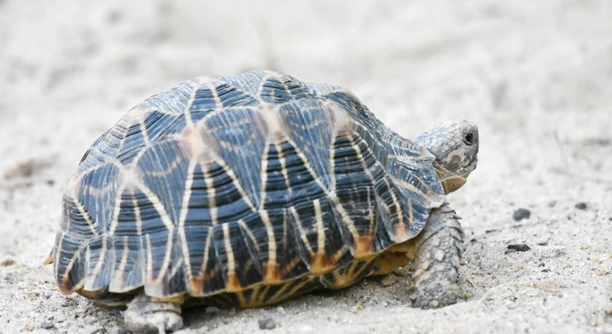
Many people find the idea of keeping an Indian Star Tortoise as a pet exciting. These gentle creatures have unique markings and are known for their long lifespan. However, taking on the responsibility requires careful consideration.
Before bringing an Indian Star Tortoise into your home, it’s crucial to assess factors like space, diet, and the climate of your area. These turtles need a proper enclosure, appropriate food, and specific environmental conditions to thrive.
Making sure you’re fully prepared for the commitment is key. Knowing the basics can make a huge difference in providing a healthy, happy life for your tortoise.
Space and Enclosure
Before bringing an Indian Star Tortoise home, you must ensure that you have enough space for its enclosure. These tortoises need room to roam and explore, which helps prevent stress and promotes healthy behavior. Their enclosure should be large enough to accommodate their natural movements, with both indoor and outdoor options depending on your climate. An indoor enclosure should be at least 4 feet by 2 feet for a single tortoise, with a secure lid to prevent escapes. Outdoor enclosures, if possible, should offer natural sun exposure, grass, and some shaded areas for hiding.
The enclosure also needs proper ventilation, temperature control, and lighting. The right balance of heat and light helps your tortoise feel comfortable and encourages its natural activity patterns. If you’re planning to keep the tortoise indoors, be prepared to provide heat lamps to mimic the warmth of their native environment.
In addition to the size, make sure the enclosure has soft flooring, like sand or soil. This will allow your tortoise to burrow and feel secure. Providing hiding spots and outdoor grazing areas helps mimic its natural habitat, ensuring a healthy lifestyle.
Diet and Feeding Habits
An Indian Star Tortoise thrives on a variety of leafy greens, fruits, and vegetables. You must provide a balanced diet that includes dark leafy greens, like dandelion greens, collard greens, and mustard greens. Fruits such as apples, melons, and berries are safe treats but should be offered in moderation to avoid causing digestive issues. Fresh water should always be available for hydration, as dehydration is a common issue in tortoises.
Proper feeding also involves offering foods high in calcium, such as cuttlefish bone or calcium supplements. This helps maintain a strong shell and promotes overall health. It’s important to avoid feeding your tortoise high-protein foods like meat or dairy, as it can lead to kidney issues.
Additionally, be mindful of the feeding schedule. Overfeeding can lead to obesity, which will affect the tortoise’s movement and overall well-being. A feeding routine with portion control will ensure it receives the right nutrition without overindulging.
Climate and Temperature Control
Indian Star Tortoises need a carefully controlled environment to thrive. They are native to warm, dry regions, so maintaining the right temperature is essential for their health. A basking area should be around 90°F (32°C) to allow them to warm up and digest food properly. The cooler end of their enclosure should stay between 75°F and 80°F (24°C to 27°C).
It’s important to use a heat lamp or ceramic heat emitter to create a warm environment. Avoid using traditional light bulbs, as they can dry out the air too much. For outdoor tortoises, make sure they have access to both sunlight and shelter to escape from extreme heat or rain.
Humidity levels also play a key role in their health. Too much humidity can lead to respiratory issues, while too little can cause dehydration and skin shedding problems. Be sure to monitor the humidity in the enclosure regularly. Providing a moist hide or shallow water dish can help maintain the right balance.
Handling and Interaction
While Indian Star Tortoises are friendly creatures, they don’t enjoy being handled often. They are naturally shy and can become stressed if picked up too much. It’s important to let them roam freely in their enclosure and only handle them when necessary for cleaning or health checks. When you do handle them, be gentle and ensure they feel secure in your hands.
Over time, your tortoise may become more accustomed to your presence, especially if you interact with it calmly and quietly. However, it’s crucial to understand that tortoises have their own pace when it comes to socializing. Patience is key to building trust with your tortoise.
Allowing your tortoise to have some space to wander and hide ensures it can thrive in a peaceful and stress-free environment. Avoid overwhelming your tortoise with excessive attention and respect its need for independence. This will help foster a long, healthy life.
Health Considerations
Indian Star Tortoises require regular health check-ups to ensure they remain healthy. One of the most common health problems is shell rot, which happens when the shell becomes soft or infected. Keeping the enclosure dry and well-maintained helps prevent this issue.
Tortoises can also suffer from respiratory infections, especially if they are kept in a humid or cold environment. Symptoms like wheezing, runny nose, or lethargy should be addressed immediately with the help of a vet. Proper temperature control and clean surroundings can help minimize the risk of such illnesses.
A healthy tortoise will eat well, move actively, and maintain a strong shell. Regularly monitoring its behavior and diet will help catch any signs of illness early. If you notice changes in eating habits, shell condition, or movement, it’s best to consult a veterinarian experienced with reptiles.
Lifespan and Long-Term Commitment
Indian Star Tortoises are known for their long lifespan, often living 50 years or more with proper care. This makes them a long-term commitment that should be carefully considered before bringing one into your home. Their slow growth rate means that they require consistent care throughout their life.
The long lifespan of these tortoises means that you need to be prepared for a lifelong responsibility. Over the years, their needs may change, but they will always require a proper diet, space, and medical care. If you’re not ready for a pet that can live for several decades, it’s worth reconsidering.
Even if you’re committed to the long term, make sure you have a solid plan for the tortoise’s care in the future. This includes ensuring proper care during vacations and making arrangements for their well-being if you move. You can expect to invest time and resources into their upkeep throughout their life.
Legal Considerations
Before getting an Indian Star Tortoise, you should check local laws regarding their ownership. Some regions have strict regulations due to conservation concerns. In many areas, these tortoises are listed as protected species, meaning it is illegal to capture or trade them.
In some cases, you may need permits to keep them as pets. If you’re purchasing one, ensure it’s from a reputable breeder or rescue organization to avoid contributing to illegal wildlife trade. Always double-check your state or country’s guidelines to avoid any legal issues and ensure you’re providing a legal home.
Breeding and Reproduction
Breeding Indian Star Tortoises requires specific conditions. They need a proper temperature cycle, a safe, private nesting area, and an adequate diet. In captivity, breeding is difficult unless all factors align. Without the right environment, reproduction may not occur. Female tortoises can lay eggs even without a male, but they may not hatch.
If you’re interested in breeding them, be sure you can care for the eggs and hatchlings. Hatchlings need a warm, moist environment and special care to thrive. It’s essential to fully understand the breeding process before attempting it, as it adds another layer of responsibility.
Costs of Care
Caring for an Indian Star Tortoise can be costly. You’ll need to invest in a proper enclosure, heat lamps, UVB lights, and quality food. Additionally, you must factor in the cost of regular veterinary check-ups to ensure their health.
The initial cost of setting up their home may seem high, but the ongoing expenses should also be considered. From electricity for lights and heating to purchasing specialty food, the costs can add up over time. Be sure to budget for these expenses to ensure you can fully care for your tortoise.
FAQ
How big do Indian Star Tortoises get?
Indian Star Tortoises typically reach sizes of 10 to 12 inches in length. Males are generally smaller, while females can grow larger, sometimes reaching 12 inches or more. However, size may vary depending on factors like diet, habitat, and overall care. Ensuring that they have enough space and proper nutrition will help them grow to their full size. Proper environmental conditions are also necessary to avoid stunted growth, so monitor the temperature, humidity, and lighting in their enclosure.
How long do Indian Star Tortoises live?
These tortoises are known for their impressive longevity, with lifespans often exceeding 50 years in captivity if properly cared for. Some individuals even live up to 80 years or more, which is why they are considered a long-term commitment. This extended lifespan requires a stable, long-term care plan, including a healthy diet, proper temperature, and regular health check-ups to ensure they live a full, healthy life. Keep in mind, as your tortoise ages, its needs might evolve, requiring more specific care.
What do Indian Star Tortoises eat?
Indian Star Tortoises are herbivores and require a diet consisting mainly of dark leafy greens such as dandelion greens, collard greens, and mustard greens. They can also eat vegetables like squash, zucchini, and carrots, along with fruits like apples, pears, and melons. It’s essential to avoid feeding them high-protein foods like meat or dairy products, as these can cause kidney problems. Offering a variety of foods will ensure they get a balanced diet, and don’t forget to provide fresh water at all times to keep them hydrated.
How do I create the right habitat for my Indian Star Tortoise?
To create a suitable habitat, start with a large enclosure. For an indoor setup, a minimum of 4 feet by 2 feet of space is recommended. The enclosure should have a basking area with a heat lamp to maintain a temperature of around 90°F (32°C). The cooler end of the habitat should stay between 75°F and 80°F (24°C to 27°C). If you’re using an outdoor enclosure, ensure the area is secure to prevent escapes and provide natural sun exposure. Be sure to include both shaded and sunny areas, along with areas for hiding and grazing.
Do Indian Star Tortoises need UVB lighting?
Yes, UVB lighting is crucial for Indian Star Tortoises. They need UVB light to synthesize vitamin D3, which helps them absorb calcium and maintain a healthy shell. Without proper UVB exposure, they can develop metabolic bone disease, which causes weak bones and shells. Provide a high-quality UVB light in their enclosure, ideally a fluorescent bulb designed for reptiles. Ensure the light is replaced regularly, as it loses its effectiveness over time, even if it still produces visible light.
Can I keep an Indian Star Tortoise with other pets?
Indian Star Tortoises can be kept with other reptiles or animals, but it’s essential to consider their temperament and needs. They are generally peaceful creatures but can be stressed by other pets, especially if they are overly active or aggressive. If you’re planning to house them with other reptiles, ensure that all animals are compatible in terms of temperature, humidity, and dietary requirements. It’s best not to house tortoises with very small pets or those that may view them as prey.
How often should I feed my Indian Star Tortoise?
Indian Star Tortoises should be fed daily. Provide a variety of fresh greens and vegetables to keep their diet balanced. Offer small portions so they don’t overeat, as obesity can lead to health problems. If you’re feeding fruits, limit these to once or twice a week to avoid excessive sugar intake. Keep in mind that the quantity of food may depend on the size and age of the tortoise. Hatchlings and juveniles tend to eat more frequently than adults.
Do Indian Star Tortoises hibernate?
Indian Star Tortoises do not hibernate in the traditional sense like some other species of tortoises. However, they do experience a form of dormancy in cooler months. During this time, they become less active and may eat less. In captivity, it’s not necessary to force them into dormancy. Ensure their habitat has consistent warmth and light to avoid stressing them during seasonal changes. If your tortoise does slow down, make sure they still have access to water and occasional food to maintain their health.
How can I tell if my Indian Star Tortoise is healthy?
A healthy Indian Star Tortoise will have a strong, smooth shell without any signs of cracks or softness. Their eyes should be clear and bright, not cloudy or swollen. A healthy tortoise is alert and active, moving around and grazing regularly. They should also have a good appetite and maintain a healthy weight. If your tortoise is lethargic, refuses food, or shows signs of illness, such as runny eyes or nose, it’s important to seek veterinary attention promptly. Regular check-ups will help monitor its health.
What temperature should I keep my Indian Star Tortoise at?
Indian Star Tortoises need a warm environment to stay healthy. The basking area should be about 90°F (32°C), and the cooler area should range between 75°F to 80°F (24°C to 27°C). Nighttime temperatures can drop slightly, but they should not fall below 70°F (21°C). Using heat lamps and thermostats to control the temperature in their enclosure is important for their overall well-being. Make sure the temperature is consistent to avoid stressing the tortoise.
Final Thoughts
Indian Star Tortoises are beautiful, unique creatures that can live long, healthy lives when given the proper care. They require specific attention to their habitat, diet, and temperature to ensure they thrive. While they may seem like low-maintenance pets, they actually need a lot of consideration and dedication. From the size of their enclosure to the quality of their food, every detail contributes to their well-being. If you’re prepared to meet these needs, an Indian Star Tortoise can be a rewarding pet that provides companionship for many years.
Taking care of an Indian Star Tortoise involves more than just feeding it. Regular health checks, proper humidity levels, and access to natural sunlight or UVB lighting are essential. Their long lifespan also means you need to plan for their care over several decades. Being aware of the financial, time, and emotional commitment involved in owning such a pet will help you decide if it’s the right choice for you. Many people underestimate the ongoing responsibility required, but when managed correctly, they can thrive in a well-kept environment.
Ultimately, owning an Indian Star Tortoise can be an enjoyable experience, but it is not for everyone. Their needs are particular, and they require patience and consistency to ensure they live a healthy, happy life. If you can meet their care requirements, these tortoises can become fascinating pets that bring a unique touch of nature to your home. However, before bringing one into your life, make sure you have the time, space, and knowledge to give it the best possible environment.

Hello,
If you enjoy the content that we create, please consider saying a "Thank You!" by leaving a tip.
Every little bit helps us continue crafting quality advice that supports the health, happiness, and well-being of pets around the world, for pets of all shapes, sizes, and species.
We really appreciate the kindness and support that you show us!