
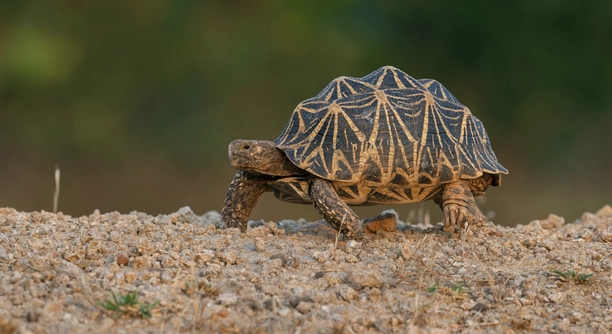
Do you ever find yourself wondering how to create the perfect home for your Indian star tortoise? Providing a comfortable and safe environment is essential for their well-being, ensuring they stay healthy, happy, and stress-free in captivity.
The best way to make your Indian star tortoise feel at home is by mimicking its natural habitat. This includes proper temperature regulation, a spacious enclosure, appropriate substrate, hiding spots, fresh water, and a well-balanced diet rich in fiber and nutrients.
Creating an ideal home involves more than just a basic setup. From selecting the right lighting to choosing the best food options, every detail plays a role in your tortoise’s overall comfort and longevity.
Provide a Spacious Enclosure
Indian star tortoises need plenty of space to move comfortably. A small enclosure can lead to stress and health problems. A minimum of 8 square feet is recommended for one tortoise, but a larger space is always better. Outdoor enclosures work well in warm climates, as they allow natural sunlight exposure. If keeping them indoors, use a tortoise table or a large, well-ventilated enclosure. Ensure the walls are tall enough to prevent escapes. The enclosure should have a secure lid to protect against predators. A comfortable environment will help keep your tortoise active and healthy.
A cramped space can cause stress, limit movement, and lead to abnormal behavior. Ensuring a well-ventilated, spacious area allows your tortoise to explore, burrow, and bask comfortably.
A well-planned enclosure will make your tortoise feel at home. Keep the setup simple but functional. Focus on space, safety, and accessibility to food, water, and hiding spots.
Maintain Proper Temperature and Humidity
Indian star tortoises thrive in warm, stable conditions. Temperature fluctuations can affect their health, leading to respiratory issues or digestive problems.
Maintain a daytime temperature of 85–90°F with a basking spot around 95°F. At night, temperatures can drop to 75°F but should not go lower. Use a combination of heat lamps and ceramic heaters to regulate warmth. UVB lighting is essential for calcium absorption and shell health. Without it, your tortoise may develop metabolic bone disease. Keep humidity levels between 50–70% to prevent dehydration and shell deformities. Mist the enclosure lightly if needed, but avoid excessive dampness.
Proper temperature and humidity control will ensure your tortoise stays comfortable. Monitoring these factors daily will help prevent health issues and create a stable environment.
Choose the Right Substrate
A soft, natural substrate helps keep your tortoise comfortable and allows for natural behaviors like burrowing. Coconut coir, cypress mulch, and organic topsoil work well. Avoid sand and gravel, as they can cause impaction if ingested. Keep the substrate dry but slightly moist to maintain proper humidity.
A good substrate helps regulate humidity levels and prevents shell issues. Indian star tortoises prefer a loose, natural material that allows them to dig. Spot-clean the enclosure daily and replace the substrate every few weeks to prevent bacteria buildup. Mixing different substrates can create a more natural feel. If using soil, ensure it is free from pesticides or fertilizers. The right choice will promote your tortoise’s health and encourage natural behaviors.
A dry, dusty substrate can cause respiratory issues, while overly damp conditions may lead to shell rot. Keep the balance right by misting occasionally without making the environment too wet. Using a deep layer of substrate allows your tortoise to burrow and feel secure. Regular maintenance keeps the enclosure clean and odor-free, ensuring a comfortable living space.
Provide Hiding Spots and Enrichment
Tortoises need places to retreat when they feel stressed or need to cool down. Providing hiding spots helps them feel safe. Use logs, overturned flower pots, or commercial hide boxes. A variety of shelters will allow them to choose based on temperature and comfort.
Enrichment keeps your tortoise active and engaged. Place different textures and objects in the enclosure, like smooth rocks, logs, and small mounds of substrate. Rearranging the setup occasionally provides mental stimulation. A shallow, sturdy water dish allows for safe soaking, preventing dehydration. Avoid deep water, as tortoises are not strong swimmers.
A well-designed enclosure should encourage movement and exploration. A bored tortoise may become inactive, affecting its overall health. By offering a mix of hiding spaces and enrichment, you create a more natural, engaging environment. Simple changes can make a big difference in keeping your tortoise happy and stress-free.
Offer a Balanced Diet
A healthy diet includes leafy greens, grasses, and fibrous plants. Avoid high-protein foods, as they can cause shell deformities. Provide fresh food daily and remove any uneaten portions to prevent mold or bacteria growth. Occasional treats like hibiscus flowers can add variety.
Calcium is essential for strong bones and shell health. Sprinkle calcium powder on food a few times a week. Fresh water should always be available in a shallow dish. Avoid fruits, as they are too high in sugar and can cause digestive issues. Stick to a diet that mimics their natural food sources.
Keep the Enclosure Clean
A clean environment prevents infections and odors. Remove waste and uneaten food daily to maintain hygiene. Replace the substrate every few weeks, and disinfect water and food dishes regularly. A well-maintained enclosure keeps your tortoise comfortable and reduces the risk of bacteria and parasites.
Handle with Care
Indian star tortoises are delicate and stress easily. Limit handling and always support their body properly. Sudden movements can cause fear, leading to stress-related health issues. Observing from a distance allows them to feel secure while still bonding with their owner.
FAQ
How often should I feed my Indian star tortoise?
Feed adult tortoises once a day with a mix of leafy greens, grasses, and vegetables. Younger tortoises may need two small meals daily. Avoid overfeeding, as obesity can lead to health problems. Remove uneaten food to maintain a clean environment and prevent mold or bacteria growth.
What temperature should my tortoise’s enclosure be?
Maintain a daytime temperature between 85–90°F, with a basking spot around 95°F. At night, temperatures can drop to 75°F but should not go lower. Using heat lamps, ceramic heaters, and UVB lighting ensures proper warmth and prevents health issues like metabolic bone disease.
Does my tortoise need UVB lighting?
Yes, UVB lighting is essential for calcium absorption and shell development. Without it, your tortoise may develop metabolic bone disease. Provide UVB light for 10–12 hours daily. Replace bulbs every six months, even if they still appear functional, as their effectiveness decreases over time.
Can I keep multiple Indian star tortoises together?
Indian star tortoises are generally solitary and may become stressed in crowded enclosures. If housing multiple tortoises, ensure plenty of space and hiding spots to reduce competition. Males may become aggressive toward each other, so it’s best to keep them separate to prevent injuries.
What kind of substrate is best?
Use coconut coir, cypress mulch, or organic topsoil. These substrates help maintain proper humidity and allow for burrowing. Avoid sand and gravel, as they can cause impaction if ingested. Keep the substrate clean by spot-cleaning daily and replacing it every few weeks to prevent bacteria buildup.
How can I tell if my tortoise is sick?
Signs of illness include lethargy, lack of appetite, swollen eyes, wheezing, or a soft shell. A healthy tortoise should be active, alert, and have a firm shell. If you notice any unusual behavior or symptoms, consult a reptile veterinarian immediately for proper diagnosis and treatment.
How often should I clean the enclosure?
Spot-clean daily by removing waste and uneaten food. Deep clean the enclosure every few weeks by replacing the substrate and disinfecting food and water dishes. Keeping the habitat clean helps prevent infections and ensures a comfortable environment for your tortoise.
Can my tortoise eat fruit?
Fruits should be avoided, as they are too high in sugar and can cause digestive issues. Stick to a diet of grasses, leafy greens, and fibrous plants. Occasionally, you can offer edible flowers like hibiscus as a treat, but they should not be a regular part of the diet.
Do Indian star tortoises need a water dish?
Yes, a shallow water dish should always be available for drinking and soaking. Ensure it is large enough for your tortoise to enter but not too deep, as they are not strong swimmers. Change the water daily to keep it clean and free of bacteria.
How much humidity does my tortoise need?
Maintain humidity levels between 50–70%. Low humidity can lead to dehydration and shell deformities. Mist the enclosure lightly if needed, but avoid excessive dampness. Using a proper substrate like coconut coir can help maintain the right humidity levels naturally.
Can I handle my Indian star tortoise often?
Tortoises do not enjoy frequent handling and can become stressed. Limit handling and always support their body properly when picking them up. Instead of handling, spend time observing them in their enclosure to build trust and allow them to feel secure.
Why is my tortoise not eating?
Loss of appetite can be caused by stress, improper temperatures, illness, or dehydration. Ensure the enclosure is at the correct temperature, and offer fresh food daily. If your tortoise refuses to eat for several days, consult a veterinarian to rule out any health problems.
Do Indian star tortoises hibernate?
No, Indian star tortoises do not hibernate. They remain active year-round if provided with the right temperature and lighting. If your tortoise becomes sluggish during colder months, check the enclosure conditions to ensure they are warm and comfortable.
What kind of enclosure is best for an Indian star tortoise?
A spacious, well-ventilated enclosure is ideal. Outdoor enclosures are best in warm climates, while indoor tortoises should have a large tortoise table or habitat. Ensure the enclosure has proper heating, UVB lighting, a good substrate, and plenty of hiding spots for comfort.
How long do Indian star tortoises live?
With proper care, Indian star tortoises can live for 30–50 years. A healthy diet, proper enclosure setup, and regular veterinary check-ups contribute to their long lifespan. Providing the right environment ensures they thrive for many years.
Final Thoughts
Creating a comfortable home for your Indian star tortoise requires careful attention to space, temperature, humidity, diet, and enrichment. A well-planned enclosure with proper heating, UVB lighting, and a natural substrate will keep your tortoise healthy and stress-free. Regular maintenance, including cleaning and monitoring environmental conditions, ensures a safe and comfortable habitat. Providing hiding spots and enrichment encourages natural behaviors, helping your tortoise feel secure. Small details like the right food, a clean water source, and a well-balanced diet play a big role in their overall health. With the right care, your tortoise will thrive in captivity.
Tortoises are not high-maintenance pets, but they do require consistency. Daily care, such as feeding and spot-cleaning, helps maintain a healthy environment. Monitoring their behavior is important, as any changes may indicate stress or illness. Handling should be minimal since tortoises feel safest in their enclosure. Instead of frequent handling, observing their natural behaviors from a distance allows them to feel secure. If issues arise, making small adjustments to their habitat or routine can often resolve them. However, if health concerns persist, consulting a reptile veterinarian is always the best approach.
Indian star tortoises can live for several decades, making them a long-term commitment. Providing proper care ensures they stay healthy and active throughout their life. Every aspect of their environment, from enclosure setup to diet, contributes to their well-being. Taking the time to understand their needs makes a significant difference in their quality of life. When their habitat is well-maintained, they remain stress-free and more active. A well-cared-for tortoise is not just a pet but a fascinating companion that can bring years of enjoyment.

Hello,
If you enjoy the content that we create, please consider saying a "Thank You!" by leaving a tip.
Every little bit helps us continue crafting quality advice that supports the health, happiness, and well-being of pets around the world, for pets of all shapes, sizes, and species.
We really appreciate the kindness and support that you show us!