
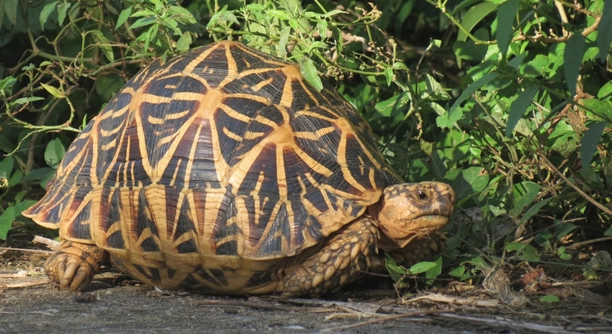
Indian star tortoises are beautiful, but keeping them safe in outdoor pens can be a challenge. Ensuring they are protected from various risks is important for their well-being and long-term health.
To keep Indian star tortoises safe in outdoor pens, it is essential to provide secure fencing, protection from predators, and a suitable habitat. Regular maintenance of the pen’s environment, including cleanliness, can also prevent health issues and injuries.
Proper care of their pen can help prevent dangers like escaping or injury. By following these simple tips, your tortoise can enjoy a safer and healthier life outdoors.
Proper Fencing and Secure Enclosure
A sturdy fence is one of the most important elements of a safe outdoor pen for Indian star tortoises. Tortoises can be surprisingly strong, so the fence should be tall enough to prevent them from climbing or escaping. The fencing material should be strong, such as welded wire or mesh, which can keep out predators like dogs, cats, and birds of prey. Ensure the fence is buried a few inches into the ground to stop digging attempts. Tortoises are also skilled at burrowing, and without proper fencing, they could easily slip under the barrier.
If your fence isn’t secured deeply enough, your tortoises might find ways to dig beneath it. Over time, they may also manage to push through gaps if the material isn’t tight or durable enough. Additionally, make sure there are no sharp edges or places where your tortoise could hurt itself. A well-built fence provides peace of mind and creates a safe space for your tortoises to roam.
The height of the fence is just as important as its material. Make sure to check regularly for weak spots or areas where the tortoises may attempt to climb. By reinforcing these areas, you can keep your tortoises safe and secure in their outdoor space.
Protecting from Extreme Weather
It’s vital to provide shelter from extreme weather conditions, especially in areas that experience hot summers or cold winters. Indian star tortoises are sensitive to temperature changes, and a shelter will give them a place to escape when needed. In hot weather, they need a shaded area to rest in. During colder months, a warm space will help prevent them from getting too chilled.
Create a sheltered space with a roof or tarp where the tortoises can retreat during extreme heat or storms. This can be a simple wooden box or a more elaborate structure depending on your setup. You’ll want to ensure it’s dry and well-ventilated so that your tortoises are comfortable. Also, make sure the shelter is easily accessible to them so they can find refuge without stress.
Extreme weather is a serious concern for outdoor pens. Without proper shelter, your tortoises can suffer from heatstroke, dehydration, or even hypothermia. By providing a protected area, you ensure they remain healthy no matter what the weather brings.
Avoiding Predators
Predators can pose a major threat to your Indian star tortoises. It’s essential to ensure that the pen is free from potential dangers, such as cats, dogs, raccoons, and even wild birds of prey. Secure fencing and regular checks are key to keeping your tortoises safe.
To keep predators out, make sure the pen is well-maintained with no gaps where an animal can sneak in. You may also want to add extra layers of protection, such as a roof or covering for the pen. It’s also helpful to place the pen in an area that’s less likely to attract predators, such as away from tall grass or bushes.
Tortoises can be particularly vulnerable to attacks when they are basking in the sun or resting. Check that the pen is secure from all angles. If necessary, reinforce weak areas by adding extra mesh or securing the perimeter. A safe, predator-free environment is crucial to the health and safety of your tortoises.
Providing a Proper Diet
A proper diet is a crucial aspect of your tortoise’s well-being. In an outdoor pen, tortoises can graze on natural vegetation, but it’s important to provide them with a balanced diet to meet all their nutritional needs. Fresh, safe plants should be available at all times.
In addition to natural vegetation, supplementing their diet with leafy greens like dandelion, collard greens, and clover is important. Tortoises may also enjoy fruits like melon, but only in moderation. Avoid feeding them harmful foods such as iceberg lettuce, as it lacks nutritional value. You should always provide fresh, clean water, especially on hot days when dehydration is a risk.
Be mindful of any plants in your tortoise’s pen that might be toxic to them. Research common garden plants to ensure they are safe. Regularly check the pen to ensure the plants are not harmful and that they are fresh and safe for consumption. A varied diet keeps them healthy and active.
Keeping the Pen Clean
A clean pen is essential for the health of your Indian star tortoises. Regular cleaning prevents bacteria build-up and ensures that their living space remains hygienic. Remove any waste or uneaten food promptly to avoid contamination.
It’s important to disinfect the pen regularly to keep parasites and bacteria at bay. Use a safe, non-toxic cleaner that won’t harm your tortoises. Be sure to clean their water dish every day and refill it with fresh water. A clean environment reduces the risk of infections and keeps your tortoises comfortable.
A clean pen helps prevent diseases and parasites that could harm your tortoises. It’s also important for their overall happiness, as a tidy living space reduces stress. Cleaning is a simple task but goes a long way in protecting their health.
Monitoring Temperature
Proper temperature regulation is crucial for tortoises in an outdoor pen. They require access to both a warm and cool area to maintain their body temperature. Monitor both the daytime and nighttime temperatures to ensure they’re within a safe range.
Tortoises need a basking spot where they can soak up heat. This area should be around 85-90°F, while shaded areas should be cooler, about 75°F. If the weather gets too cold at night, consider providing an extra heat source like a heat lamp. Without proper temperature management, tortoises may become stressed, lose their appetite, or even fall ill.
A temperature-controlled pen ensures your tortoises remain healthy and active. Keep an eye on any drastic changes in temperature and adjust their environment to suit their needs. This small adjustment is key to their long-term well-being.
Providing Hiding Spaces
Tortoises are naturally shy and often seek out hidden spots to rest. In an outdoor pen, providing them with hiding spaces makes them feel secure and helps reduce stress. Simple structures like rocks, logs, or small shelters can create these spaces.
By adding a few hiding places in the pen, you allow your tortoises to feel safe from the sun or any perceived threats. These small shelters provide privacy and can also offer protection from harsh weather. A variety of hiding spots ensures that your tortoises always have a place to retreat.
FAQ
How much space do Indian star tortoises need in an outdoor pen?
Indian star tortoises require a spacious outdoor pen to thrive. Ideally, the pen should be at least 10-20 square feet per tortoise, depending on their size. More space is better as it allows them to roam freely and engage in natural behaviors like foraging. Make sure the pen is large enough to provide separate areas for basking, hiding, and walking.
Can Indian star tortoises live outside year-round?
Indian star tortoises can live outside year-round in climates that don’t experience extreme temperatures. If you live in an area with mild winters, they can be left outdoors. However, if the temperature drops below 50°F (10°C), they should be moved to a warmer, sheltered area to prevent them from getting too cold.
What kind of substrate should I use in the pen?
A natural, non-toxic substrate is ideal for an Indian star tortoise pen. Options like coconut coir, organic soil, or mulch work well. The substrate should be deep enough for the tortoises to burrow and provide a comfortable, clean surface. Avoid sand or gravel, as they can cause digestion problems if ingested.
How do I keep my tortoises hydrated in an outdoor pen?
Tortoises need access to fresh water at all times. In an outdoor pen, place a shallow water dish large enough for them to drink and soak in. Change the water daily to keep it clean. You may also consider adding a small misting system to increase humidity in dry conditions.
What do I do if my tortoise tries to escape the pen?
If your tortoise is attempting to escape, check the pen for any gaps or weak spots. Reinforce the fencing by burying the bottom deeper into the ground to prevent digging. Adding extra height or a secure roof can also help deter escape attempts. Regularly check for signs of wear and tear.
Can I plant plants inside the pen for my tortoises to eat?
Yes, you can plant safe, edible plants inside the pen. Good options include dandelion, clover, and grasses. Make sure to avoid any plants that are toxic to tortoises. Always research the plants before adding them to the pen to ensure they are safe for your tortoises to consume.
What should I do if my tortoise gets sick?
If your tortoise shows signs of illness, such as loss of appetite, lethargy, or respiratory issues, it’s important to contact a veterinarian experienced with reptiles. Do not try to treat the illness yourself. A vet will be able to diagnose and provide the necessary treatment to help your tortoise recover.
How do I prevent my tortoises from fighting in the pen?
To prevent fighting, make sure there is enough space for each tortoise to claim its own territory. If you’re housing multiple tortoises together, ensure there is plenty of hiding space, food, and access to water. Monitor their behavior, as some individuals may not get along. Separate them if fighting becomes a problem.
Can I leave my tortoise outside without supervision?
It’s important to check on your tortoises regularly, even if their pen seems secure. While they are generally low-maintenance, they still require care and attention. You should also watch for changes in weather, predators, or any damage to the enclosure. Always ensure the pen is safe and suitable for them.
Do Indian star tortoises need UVB light outside?
While UVB light is essential for tortoises kept indoors, those living outdoors generally get enough natural sunlight for vitamin D3 production. However, make sure your tortoises have access to full sun for a few hours a day, as this helps them absorb calcium and maintain strong bones. If you’re in an area with minimal sunlight, a UVB light may be necessary.
How often should I clean the pen?
Cleaning the pen at least once a week is recommended to maintain a healthy environment. Remove any waste, uneaten food, and debris daily to prevent bacteria buildup. Disinfect the pen monthly to ensure it stays hygienic. Clean the water dish every day to avoid contamination.
Is it safe to let my tortoise roam freely in my yard?
Allowing your tortoise to roam freely in the yard is not ideal due to potential dangers. Predators, traffic, and other hazards like toxic plants or garden chemicals could harm your tortoise. It’s safer to keep them in a secured pen where you can control the environment and protect them from danger.
Keeping Indian star tortoises safe in an outdoor pen requires careful planning and attention to detail. A secure, comfortable environment is essential for their health and happiness. Ensuring that the pen is properly fenced to protect from predators and the elements, along with providing enough space to roam and bask in the sun, is key. These tortoises thrive when given the right conditions, and creating a suitable space for them allows them to behave naturally, which is important for their well-being.
It is important to regularly monitor the temperature, humidity, and cleanliness of the pen. Providing hiding spots and a clean environment will help reduce stress and prevent illness. Indian star tortoises enjoy grazing on safe plants, so creating a habitat where they can access fresh, nutritious vegetation adds to their overall health. By being proactive with their care, including watching for signs of illness and ensuring that they have clean water and the right diet, you can maintain a thriving outdoor space for them.
In conclusion, creating a safe outdoor pen for Indian star tortoises doesn’t have to be complicated, but it does require some effort and attention. By following the key steps outlined, like ensuring proper fencing, temperature control, and providing shelter, you can create a space that allows these tortoises to live a healthy and happy life. Regular maintenance and care go a long way in preventing problems, and small adjustments can make a big difference. With the right setup, your tortoises will enjoy their outdoor habitat for many years to come.

Hello,
If you enjoy the content that we create, please consider saying a "Thank You!" by leaving a tip.
Every little bit helps us continue crafting quality advice that supports the health, happiness, and well-being of pets around the world, for pets of all shapes, sizes, and species.
We really appreciate the kindness and support that you show us!