
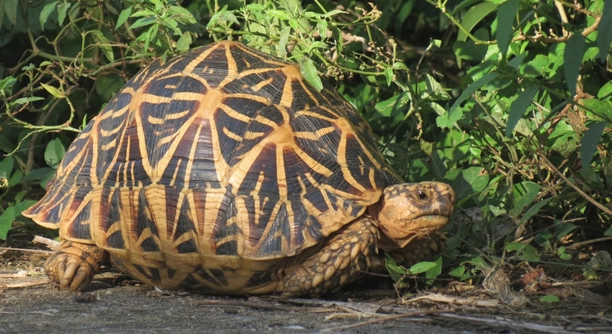
Ensuring the health of your Indian Star Tortoise’s shell is essential for its overall well-being. Proper care and attention are needed to keep its shell strong and free from damage. Here are seven simple steps to help you maintain a healthy shell.
To ensure your tortoise’s shell remains strong, focus on providing proper nutrition, adequate UVB light, and a suitable environment. Regular monitoring for signs of health issues, along with appropriate exercise, will promote a resilient and healthy shell.
Maintaining a strong shell requires consistent care and understanding of key factors. These steps will provide the foundation for your tortoise’s health.
1. Providing a Balanced Diet
A proper diet plays a significant role in maintaining your tortoise’s shell health. Include a variety of fresh vegetables like leafy greens, along with occasional fruits, to provide the necessary nutrients. Calcium is essential for a strong shell, so make sure to offer calcium-rich foods like collard greens or supplement with cuttlebone. Vitamin D3 is also crucial for calcium absorption, so be sure to provide a balanced, nutrient-packed diet to support their overall health. Avoid feeding them high-fat or high-protein foods, as these can lead to health issues.
A varied and balanced diet is key for your tortoise’s shell strength. Avoid processed foods that can disrupt their digestive system.
Feeding your tortoise a nutritious and balanced diet is essential for their growth and shell development. The right combination of vitamins and minerals supports bone health and strengthens their shell. A focus on calcium and Vitamin D3 helps prevent softening or deformities in the shell, ensuring your tortoise remains healthy.
2. Providing Adequate UVB Light
UVB lighting is necessary for the proper absorption of calcium. Without it, your tortoise may struggle to process the nutrients from their diet, which could lead to shell deformities or other health problems. It’s crucial to provide them with UVB light for several hours a day, simulating natural sunlight. UVB bulbs designed specifically for reptiles are essential. Be sure to replace the bulb regularly, as its effectiveness decreases over time.
UVB light is critical for calcium absorption and shell health.
Ensure your tortoise receives sufficient UVB exposure. In the wild, they bask under the sun, naturally receiving the UVB they need. In captivity, you must replicate this by providing a high-quality UVB light source. Keeping your tortoise under proper lighting conditions will help avoid metabolic bone disease, which can weaken their shell.
3. Creating a Safe Habitat
Your tortoise needs a safe, clean environment to thrive. Ensure the enclosure has enough space to move around and explore. A spacious habitat with areas to bask and hide will help mimic their natural surroundings. Proper humidity and temperature are also crucial for their overall health.
The right environment encourages natural behaviors. It’s essential to maintain a warm and dry area for basking, along with cooler, more humid areas for hydration. Monitor these conditions closely to avoid any drastic changes. The substrate should be easy to clean and safe for your tortoise to walk on.
A safe habitat also protects your tortoise from injuries. Keeping sharp objects or unsuitable materials out of reach is key. By maintaining a controlled, safe space, you allow your tortoise to grow in comfort and avoid unnecessary stress, which can impact shell health.
4. Ensuring Proper Hydration
Hydration is vital for your tortoise’s health and shell strength. Always provide fresh water for drinking and soaking. Tortoises often drink from shallow pools, so ensure water is easily accessible. Regular soaking helps prevent dehydration, which can affect the health of their shell and skin.
Fresh water should be available at all times. A shallow dish works well for drinking and soaking, especially if your tortoise enjoys a soak to stay hydrated. The water level should be just enough to allow your tortoise to fully submerge themselves.
Hydration supports your tortoise’s overall bodily functions. Insufficient water intake can lead to dry, cracked shells and other health issues. Always clean the water dish daily to prevent bacteria buildup. By keeping your tortoise hydrated, you’re supporting its overall well-being and shell health.
5. Regular Exercise
Tortoises need regular exercise to stay healthy. Allow them to roam in a safe, enclosed space outside their habitat. Active movement helps with their overall strength, including shell development. Ensure they have room to roam freely without obstacles that could lead to injury.
Movement helps improve blood circulation, which supports shell health. Make sure the environment is free from predators or other dangers. Providing regular exercise allows your tortoise to stay physically fit, promoting a stronger and more resilient shell. This also helps prevent obesity, which can lead to further health complications.
6. Monitoring Shell Health
Regularly inspect your tortoise’s shell for any signs of damage, softness, or abnormal growth. Look for cracks or soft spots, which may indicate health problems. Catching issues early allows for prompt intervention, preventing further damage to the shell.
Monitoring shell health is essential to spotting problems early. A healthy shell should feel firm and smooth. If you notice any softness or discoloration, take action immediately. Keeping an eye on their shell will help you detect issues before they become serious.
7. Managing Stress
Stress can negatively affect your tortoise’s health, including the condition of its shell. Avoid loud noises, sudden temperature changes, and overcrowded enclosures. These stressors can weaken the immune system and harm the shell’s integrity over time.
A calm, quiet environment is essential for your tortoise’s well-being. Provide adequate hiding spots and ensure that they have a peaceful space to retreat when needed. Reducing stress helps to maintain shell strength and ensures your tortoise remains happy and healthy.
FAQ
How can I tell if my tortoise’s shell is unhealthy?
An unhealthy shell often shows signs like softness, cracks, or abnormal growth. If the shell feels spongy or easily dented, this could be a sign of calcium deficiency. Look for discoloration, such as yellowing or dark patches, which could indicate infections or other health issues. Regular checks are key to spotting these issues early.
What should I feed my Indian Star Tortoise to keep its shell strong?
Feed your tortoise a variety of leafy greens like dandelion greens, collard greens, and kale. Incorporate occasional fruits like strawberries and papaya, but avoid overfeeding high-sugar items. Calcium-rich foods such as dark leafy greens and occasional cuttlebone help keep their shell strong. Make sure to balance the diet to avoid obesity and nutritional imbalances.
How much UVB light does my tortoise need?
Your tortoise needs UVB light for about 10-12 hours a day. This light helps them produce Vitamin D3, which is crucial for calcium absorption. Without sufficient UVB exposure, they can develop metabolic bone disease, leading to weak shells. Ensure you use a quality UVB bulb, replacing it every 6 months for effectiveness.
Can my tortoise’s shell get damaged easily?
Yes, tortoises can injure their shells if they fall, are exposed to harsh conditions, or bump into sharp objects. The shell is a protective barrier, but it’s not indestructible. Regularly inspect your tortoise’s environment to ensure it is free from hazards that could cause shell damage.
How do I keep my tortoise hydrated?
Always provide a shallow water dish for drinking and soaking. Tortoises naturally drink from shallow pools, so make sure the water level is appropriate for them to submerge their body. Soaking your tortoise in water for about 15-20 minutes helps keep them hydrated, especially in dry environments.
How often should I clean my tortoise’s enclosure?
Clean your tortoise’s enclosure weekly to prevent bacteria build-up and maintain proper hygiene. Remove uneaten food daily and spot clean any waste. Ensure the water dish is changed daily, and the substrate is replaced every 4-6 weeks or sooner if it becomes soiled. A clean habitat ensures your tortoise stays healthy.
What are the signs of dehydration in tortoises?
Signs of dehydration in tortoises include dry, flaky skin, lethargy, and a sunken or wrinkled appearance around the eyes. If your tortoise is not drinking water or soaking regularly, it may be at risk of dehydration. Ensure that hydration is always available and encourage soaking to keep them properly hydrated.
Can stress affect my tortoise’s shell?
Yes, stress can weaken a tortoise’s immune system and lead to shell issues over time. Stressors like loud noises, overcrowding, and rapid temperature changes can harm your tortoise’s health. Create a calm, quiet environment where they feel secure and can retreat to hiding spots when needed.
What type of bedding is best for my tortoise’s enclosure?
A good bedding option is something that is easy to clean and absorbs moisture. Cypress mulch, aspen shavings, or coconut coir are all suitable options. Avoid sand or gravel, as they can cause digestive issues if ingested. Always ensure the bedding is dry and free from mold to maintain a healthy environment.
Why is UVB lighting important for my tortoise?
UVB lighting is crucial because it enables tortoises to synthesize Vitamin D3, which aids in calcium absorption. Without proper UVB exposure, your tortoise cannot properly process calcium, leading to weakened bones and shells. Regular access to UVB light mimics the sunlight they would naturally receive in the wild.
How often should I handle my tortoise?
Handle your tortoise gently and sparingly. Overhandling can cause stress, which affects their health, including the shell. Limit handling to once or twice a week, and always handle them with care. Make sure that any handling occurs in a safe, quiet environment to reduce stress levels.
What temperature should my tortoise’s enclosure be?
The temperature should range from 80-85°F in the cooler area of the enclosure and 90-95°F in the basking area. This allows your tortoise to regulate its body temperature effectively. Use a reliable thermometer to maintain stable temperatures, as temperature fluctuations can stress your tortoise and harm its shell.
Can my tortoise’s shell get soft from lack of calcium?
Yes, insufficient calcium intake can lead to a soft or malformed shell. This is often a sign of metabolic bone disease, which occurs when calcium is not properly absorbed. Make sure to offer calcium-rich foods and supplements like cuttlebone, and ensure they have access to UVB lighting for proper calcium absorption.
Should I take my tortoise to the vet regularly?
Regular veterinary check-ups are important for ensuring your tortoise’s health. At least once a year, take your tortoise for a wellness check-up to monitor for any signs of illness or shell issues. A vet can also advise on diet, habitat, and other aspects of care to help maintain a healthy shell.
Final Thoughts
Caring for an Indian Star Tortoise requires attention to its diet, environment, and overall health to ensure its shell remains strong. Offering a variety of nutritious foods, especially those rich in calcium, is crucial for maintaining the integrity of the shell. Providing proper lighting, including UVB light, is essential for calcium absorption, which plays a key role in shell health. Additionally, exercise is just as important as diet, allowing your tortoise to build muscle and maintain strong bones. A balanced approach to diet, lighting, and activity will greatly contribute to your tortoise’s well-being.
Monitoring your tortoise’s shell for signs of damage, abnormal growth, or softness will help catch any potential problems early. A healthy shell should feel firm and smooth. Regular inspections allow for quick intervention if something goes wrong. Keep an eye out for any irregularities, such as discoloration or cracks, and take immediate action if you notice any of these signs. Early detection of issues can prevent them from becoming more serious and give your tortoise a better chance for a full recovery.
Lastly, maintaining a stress-free environment is essential for your tortoise’s overall health. Stress can weaken its immune system and, over time, negatively affect its shell. Providing a safe and quiet space where your tortoise can retreat when needed will help minimize stress. Keeping the enclosure clean and free from hazards is also important to avoid injuries. With the right care and attention, your tortoise will thrive and enjoy a long, healthy life with a strong shell.

Hello,
If you enjoy the content that we create, please consider saying a "Thank You!" by leaving a tip.
Every little bit helps us continue crafting quality advice that supports the health, happiness, and well-being of pets around the world, for pets of all shapes, sizes, and species.
We really appreciate the kindness and support that you show us!