
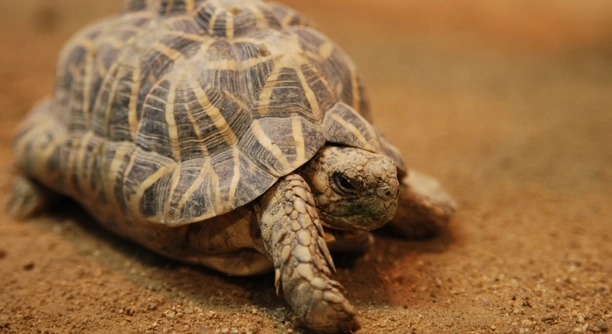
Indian Star Tortoises are popular pets but can face challenges when temperatures rise. Overheating can be dangerous for them, and understanding how to care for them in hot weather is important for their well-being.
To prevent overheating in Indian Star Tortoises, ensure they have a cool, shaded space, provide fresh water regularly, and avoid placing them in direct sunlight. These simple solutions help maintain their comfort and prevent heat-related stress.
These tips will help you keep your tortoise comfortable in warmer temperatures. Knowing what steps to take can make a significant difference in your tortoise’s health.
Provide a Shaded and Cool Space
To keep your Indian Star Tortoise comfortable, it’s essential to offer a shaded and cool area. Direct sunlight can quickly raise their body temperature, causing them to overheat. Ensure the space they roam in has enough shade for them to retreat to when they need a break from the sun. This will allow them to regulate their body temperature more easily. You can use plants, shelters, or any other structures that provide shade and relief from the heat. A shaded area not only helps with temperature control but also mimics the environment they would naturally seek in the wild.
Shading can be achieved with simple items like large rocks, wooden boards, or even a tortoise hide. Make sure the space is well-ventilated to prevent heat buildup, as it’s crucial that your tortoise has access to fresh air at all times.
A small fan in the area can also help circulate the air without directly blasting your tortoise with wind. Keeping the shaded area cool is a simple yet effective step toward maintaining their health and comfort. In addition, monitor the temperature regularly using a thermometer to ensure it remains within a safe range for your tortoise, typically between 75°F and 85°F. Providing an adequate shaded space should be a priority to prevent your tortoise from suffering in hot conditions.
Keep Water Fresh and Accessible
Water is key to your tortoise’s comfort. Make sure there’s always fresh water available for them to drink.
Always place a shallow water dish where your tortoise can easily reach it. Change the water frequently, especially on hot days, to ensure it stays clean and inviting. Hydration helps regulate their body temperature and keeps them healthy.
Avoid Overexposure to Direct Sunlight
Limit the amount of time your Indian Star Tortoise spends under direct sunlight. Prolonged exposure can raise their body temperature too much. It’s best to place them in a sunny spot only during cooler hours, like early mornings or late afternoons.
Creating a safe outdoor enclosure for your tortoise will help manage how much direct sunlight they get. Ensure it has a shaded area, so they can move in and out of the sun as needed. If you’re outside during hotter parts of the day, consider bringing them indoors to avoid the heat.
By offering a space with some sun and some shade, your tortoise can naturally regulate its body temperature without the risk of overheating. This simple adjustment can protect them from the harmful effects of excessive sunlight, keeping them comfortable throughout the day.
Use a Cooling Mat or Surface
Cooling mats can be a great addition to your tortoise’s enclosure to help them stay cool. These mats work by absorbing heat, providing a cooler surface for your tortoise to rest on.
Place the mat in an area where your tortoise often spends time, like their shelter or favorite resting spot. If you can, keep it in a shaded area to help enhance its cooling effect. Make sure the mat is easy to clean and non-toxic, so your tortoise remains safe.
If a cooling mat isn’t available, any cool, non-heated surface will work. Be mindful of the temperature of the surface, as it’s important not to expose your tortoise to cold spots, which can cause other health issues.
Avoid Overheating by Reducing Activity
During hot weather, reduce your tortoise’s activity level. Overexertion in high temperatures can lead to stress and overheating. Let them rest in cooler areas rather than roam or forage in the heat.
Monitor how your tortoise behaves on hot days. If you notice them becoming sluggish or retreating to a cool spot, it’s a sign they need to rest. Avoid handling them more than necessary to help maintain their comfort.
Heat stress can be a serious concern, so it’s important to make sure your tortoise is in a relaxed state. Limiting activity in warmer weather will ensure they stay safe and healthy.
Provide Access to Shade
Access to shade helps your tortoise avoid the heat. Always ensure a shaded spot is available, especially in direct sunlight.
Whether it’s natural or man-made shade, this space should be large enough for your tortoise to fully escape the sun when needed. Keep their living area flexible for comfort.
Maintain Proper Humidity Levels
Humidity plays a role in your tortoise’s ability to stay cool. Make sure the environment isn’t too dry. Dry air can increase the effects of heat stress. Keep the humidity level in check by lightly misting the enclosure. This will help keep them comfortable without causing excess moisture.
FAQ
What is the ideal temperature for an Indian Star Tortoise?
The ideal temperature for an Indian Star Tortoise is between 75°F and 85°F (24°C to 29°C). Anything higher can cause them to overheat, while temperatures lower than this range can cause stress. It’s important to monitor both the ambient temperature and the ground temperature where they rest. You can use a thermometer to keep track of the conditions in their enclosure. If the temperature exceeds 85°F (29°C), take steps to cool down the environment, such as adding more shaded areas or providing cooling mats.
How often should I provide water for my tortoise?
You should provide fresh water daily, especially during the hotter months. Your tortoise needs access to water throughout the day to stay hydrated. Make sure to change the water frequently, especially if it gets dirty. The water should be shallow, allowing your tortoise to drink without the risk of drowning. A water dish that’s too deep could also make it harder for your tortoise to drink. Ensure it’s easily accessible and place it in a cool, shaded area to prevent the water from getting too hot.
Can Indian Star Tortoises tolerate high humidity?
Indian Star Tortoises prefer moderate humidity, generally around 50-70%. Excess humidity can make them uncomfortable, while too little humidity can dry out their skin and cause health issues like dehydration. You can maintain the right humidity by lightly misting their enclosure or placing a humidifier nearby if the air is too dry. However, it’s crucial to avoid making the environment overly wet or soggy, as that could lead to fungal growth or respiratory problems. Always keep their shelter dry and comfortable.
What can I do if my tortoise seems overheated?
If your tortoise appears overheated, immediately move it to a cooler area with access to shade. Offer fresh water to help rehydrate it. If the tortoise is showing signs of heat stress, such as panting, lethargy, or refusing to move, it’s important to cool them down gradually. You can try placing a damp towel over their shell or give them a gentle mist of cool water, but never shock them with cold water, as this can cause further stress. Keep the tortoise in a calm, quiet environment and monitor its recovery.
How can I safely create shade for my tortoise?
Shade can be created using natural or artificial means. Plants with large leaves can offer a natural shaded area, but be sure that they are safe for tortoises to nibble on if needed. You can also use plastic or wooden structures to provide shelter. Ensure the shade is wide enough for the tortoise to escape the sun completely. If you’re keeping them indoors, you can use curtains, shades, or even a simple cardboard box to create a shaded area that allows them to cool off whenever needed.
What should I do if my tortoise refuses to drink water?
If your tortoise refuses to drink water, try offering it in a different dish or a shallow container that might be more appealing. Sometimes they prefer to drink from a different type of bowl or container. You can also try soaking them in a shallow dish of lukewarm water for about 10-15 minutes, which helps with hydration. If the issue persists, make sure the water is clean and at the right temperature, as tortoises are more likely to drink from fresh water sources. However, if dehydration continues, consult a vet to rule out any health concerns.
Can I keep my tortoise outside during the summer?
Yes, you can keep your Indian Star Tortoise outside in the summer, but you need to monitor the temperature carefully. Outdoor enclosures should be shaded and well-ventilated. Ensure the area is escape-proof and safe from predators. During particularly hot days, bring them inside to protect them from extreme heat. If you’re leaving your tortoise outside for longer periods, ensure they have a constant supply of fresh water and shaded areas to avoid overheating. Always watch for signs of heat stress, and be ready to intervene if necessary.
How can I prevent my tortoise from getting too hot in the summer?
Prevent overheating by providing plenty of shade, fresh water, and a cool area for your tortoise to retreat to. Avoid direct sunlight during the hottest part of the day, typically between 11 a.m. and 3 p.m. Make sure your tortoise has access to cool surfaces, such as cooling mats, and keep their enclosure well-ventilated. Be mindful of the temperature inside their shelter, and use a thermometer to monitor their environment regularly. During especially hot days, it’s a good idea to limit their activity levels to prevent overexertion.
Is it safe to use a heat lamp for my tortoise?
A heat lamp can be used for your tortoise, but it should be positioned carefully. It’s important to ensure the heat source is not too close to them, as this can cause overheating. The heat lamp should also provide a gradient, meaning a warm spot and a cooler spot within the enclosure, so your tortoise can regulate its body temperature. Always monitor the temperature, as excessive heat can cause stress or health problems. A heat lamp should be used in conjunction with shaded areas for your tortoise to choose from.
How do I know if my tortoise is stressed from heat?
Signs that your tortoise may be stressed from heat include excessive panting, lethargy, reduced movement, or attempting to bury itself in the substrate. If your tortoise is not eating or drinking, it’s a clear indication that they might be overheated. Keep an eye on their behavior, and if they seem unresponsive or unable to find relief from the heat, take immediate action to cool them down. Prolonged heat stress can lead to serious health issues, so it’s vital to address these signs quickly.
Final Thoughts
Taking care of an Indian Star Tortoise during hot weather requires a few key adjustments to ensure their well-being. Providing a shaded area, fresh water, and cooling surfaces can help prevent overheating. Monitoring the temperature regularly is also important to keep their environment within a safe range. By making small changes to their space, you can ensure your tortoise stays comfortable and healthy even during the warmer months.
It’s essential to observe your tortoise closely for signs of stress, especially on hotter days. If you notice them becoming lethargic, refusing food, or seeking excessive shade, these could be indicators that they are getting too hot. In such cases, take immediate steps to cool them down, such as moving them to a shaded area or offering fresh water. Keeping an eye on their behavior will help you make timely adjustments and prevent any heat-related issues.
Overall, with the right precautions and care, you can keep your Indian Star Tortoise safe during the hot weather. Ensuring they have access to shade, water, and cool resting spots will make a significant difference in their comfort and health. Regular monitoring of their environment and behavior will help you catch any signs of overheating early, allowing for quick action. By making these simple adjustments, you can enjoy many years with your tortoise, keeping them happy and well-cared for.

Hello,
If you enjoy the content that we create, please consider saying a "Thank You!" by leaving a tip.
Every little bit helps us continue crafting quality advice that supports the health, happiness, and well-being of pets around the world, for pets of all shapes, sizes, and species.
We really appreciate the kindness and support that you show us!