
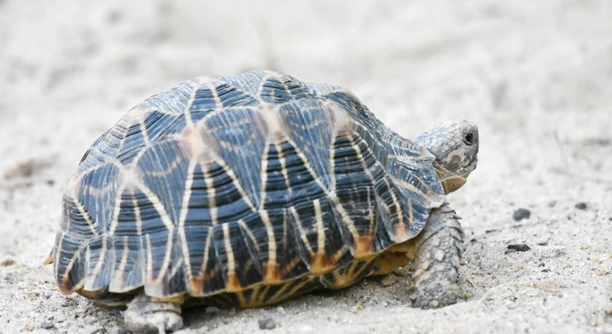
Indian star tortoises are fascinating pets known for their unique appearance and calm nature. Their diet plays a crucial role in maintaining their health and well-being. It’s important to understand what they can and cannot safely eat.
Indian star tortoises should not eat apple leaves, as they may contain harmful compounds that could cause digestive issues. It is essential to provide them with a variety of safe, healthy plants to ensure proper nutrition.
By selecting safe, nutritious foods for your tortoise, you can ensure a balanced diet. Let’s explore which treats are suitable for your pet and why certain options should be avoided.
Why Apple Leaves Aren’t Ideal for Indian Star Tortoises
Apple leaves may seem like a harmless treat for your tortoise, but they can pose some risks. While apple fruits are generally safe, the leaves can contain tannins and cyanogenic compounds. These substances could potentially upset your tortoise’s digestive system. Over time, regular consumption of such leaves might cause long-term health issues, such as lethargy or loss of appetite. It’s better to avoid them and focus on safer alternatives that provide proper nutrients without the risk.
For a balanced diet, it’s essential to ensure that your tortoise has access to the right mix of plants. Leafy greens like dandelion, clover, and collard greens are excellent choices. These plants are full of vitamins and minerals and are much easier on your tortoise’s stomach. Offering a variety of safe food options will help you maintain their overall health.
It’s crucial to remember that tortoises are herbivores and require a specific balance in their diet. Although apple leaves might seem appealing, sticking to trusted, safe greens will contribute to your pet’s long-term well-being. By doing so, you help prevent potential health problems that could arise from unsafe foods.
Safe Treats for Indian Star Tortoises
Choosing the right treats for your tortoise is important for their health. Safe options include fresh vegetables, edible flowers, and certain grasses. Always make sure the food is free from pesticides and other chemicals.
Some of the best treats for your tortoise are hibiscus flowers, dandelion greens, and plantain leaves. These treats provide vital nutrients that keep your tortoise healthy and happy. They also help with hydration and can be a fun way to enrich your pet’s environment.
You can safely experiment with a range of natural, leafy greens that grow in your area. Just ensure that whatever you offer is free of harmful chemicals. While it’s fun to give them a variety of treats, make sure you’re offering them in moderation to avoid overfeeding. It’s easy to go overboard with new foods, but moderation is key for a balanced diet. Regularly monitoring what they consume will ensure they receive all the essential nutrients they need for proper growth and health.
Foods to Avoid for Indian Star Tortoises
Certain foods can harm your Indian star tortoise, even if they seem safe at first. For example, iceberg lettuce offers little nutritional value and may cause digestive issues. It’s best to avoid feeding them anything that could upset their health or leave them malnourished.
Foods that are high in oxalates, like spinach and beet greens, should also be avoided. These compounds can interfere with calcium absorption, which is essential for shell growth and bone strength. Over time, feeding these foods can lead to health problems, including soft shells and skeletal deformities. Stick to a well-rounded selection of safe, calcium-rich plants to ensure your tortoise gets the nutrients they need for healthy development.
Some fruits are also problematic for tortoises, including citrus fruits. These can be too acidic and upset your tortoise’s digestive system. The high sugar content in fruits like grapes and bananas can also cause obesity if fed too frequently. Moderation is key, and fruits should only be offered occasionally as a treat, never as a staple of their diet.
How to Introduce New Foods to Your Tortoise
Introducing new foods to your tortoise requires patience. Start by offering small amounts of a new food alongside familiar items to see how your pet reacts. Watch for any signs of digestive upset, like loose stools or lack of appetite.
Gradually increasing the amount of new food allows your tortoise to get used to it without overwhelming their digestive system. Be mindful of their reaction, and if you notice anything unusual, stop offering that food and consult a veterinarian. You can introduce new treats like flowers or greens once they’re comfortable with their basic diet.
It’s essential to ensure that your tortoise is getting a variety of foods, but this should be done slowly. While introducing new foods, it’s important to avoid offering too many changes at once, as this could confuse or upset their system. Consistency is key, and patience is necessary for maintaining a balanced, healthy diet.
Common Signs of Food Sensitivity in Indian Star Tortoises
If your tortoise is sensitive to certain foods, it may show signs like diarrhea, lack of appetite, or lethargy. These reactions can occur after eating something they shouldn’t have. It’s important to monitor their health closely after introducing new items to their diet.
Sometimes, a food sensitivity can cause minor changes in behavior or even mild bloating. If these symptoms persist for more than a day or worsen, it’s a good idea to remove the suspect food and consult a vet. Staying alert helps prevent long-term health issues.
Hydration and Its Role in Your Tortoise’s Diet
Proper hydration is just as important as a balanced diet for your tortoise’s overall health. Offering fresh water daily and misting your tortoise can help keep them hydrated. Dehydration can lead to health problems such as kidney issues and difficulty shedding their skin.
Providing a shallow water dish that’s easy to access is important for tortoises. They will drink more often if their water is clean and fresh. Additionally, hydrating foods like leafy greens and flowers contribute to overall moisture intake. Make sure your tortoise always has access to water, especially if you’re feeding dry foods.
Best Supplements for Indian Star Tortoises
Sometimes, a tortoise’s diet may not provide all the nutrients it needs. In these cases, calcium supplements can be beneficial for shell growth and bone strength. Vitamin D3 is often recommended to help with calcium absorption, particularly if your tortoise doesn’t get enough natural sunlight.
Offering these supplements in moderation ensures that your tortoise stays healthy without overdoing it. It’s crucial to follow recommended dosage guidelines, as excessive amounts can cause harm. It’s always best to consult with a vet to determine if supplements are necessary based on your tortoise’s specific dietary needs.
FAQ
Can Indian Star Tortoises Eat Fruit?
Yes, Indian star tortoises can eat fruit, but only in moderation. Fruits like strawberries, melon, and papaya are safe as occasional treats. However, fruits are high in sugar and should not be a staple in their diet. Too much sugar can lead to obesity or other health problems. It’s best to offer fruit sparingly, no more than once a week, and ensure they are getting more leafy greens and grasses.
What Are the Best Leafy Greens for Indian Star Tortoises?
Indian star tortoises thrive on a variety of leafy greens. The best options include dandelion greens, collard greens, mustard greens, and hibiscus leaves. These are packed with vitamins and minerals that support their health, especially calcium for their shells. You can also offer clover, plantain leaves, and a mix of edible flowers. Avoid iceberg lettuce as it lacks nutritional value.
Are There Any Vegetables That Should Be Avoided?
Yes, there are a few vegetables to avoid. For instance, spinach, beet greens, and Swiss chard are high in oxalates, which can interfere with calcium absorption. This can lead to calcium deficiency, which affects shell growth and overall health. It’s better to stick to vegetables like bell peppers, squash, and zucchini. These provide more balanced nutrition without posing risks to your tortoise’s health.
How Often Should I Feed My Indian Star Tortoise?
You should feed your Indian star tortoise daily, offering a variety of leafy greens and occasional treats. Baby tortoises tend to eat more frequently, so providing them with food every day is crucial for growth. For adults, feeding every day is also ideal, but the portion sizes can be slightly larger. Ensure that their diet is balanced to prevent overfeeding or underfeeding. Remember, tortoises are slow eaters, so don’t rush them.
Can Indian Star Tortoises Eat Flowers?
Yes, Indian star tortoises can eat many types of flowers. Safe options include hibiscus, dandelion, clover flowers, and nasturtium. These flowers are full of nutrients and add variety to your tortoise’s diet. Always make sure the flowers are free of pesticides or harmful chemicals before offering them to your pet.
How Do I Know If My Indian Star Tortoise Is Getting Enough Calcium?
Calcium is essential for a healthy shell and bones. To ensure your tortoise is getting enough, provide calcium-rich foods like dark leafy greens, and consider offering calcium supplements. If your tortoise’s shell appears soft or deformed, this could be a sign of calcium deficiency. Additionally, monitor their behavior—if they seem weak or lethargic, it could also indicate a lack of calcium. It’s a good idea to consult a vet for a more thorough assessment if you’re concerned.
Can Indian Star Tortoises Eat Cucumber?
Yes, Indian star tortoises can eat cucumber, but only in moderation. Cucumber is mostly water and doesn’t provide much nutritional value. Offering it occasionally is fine, but it shouldn’t make up a large part of their diet. Too much cucumber can lead to diarrhea, as it’s high in moisture content.
Is It Safe to Feed Indian Star Tortoises Commercial Food?
Commercial foods for tortoises, like pellets, can be convenient, but they shouldn’t be the main part of your tortoise’s diet. Most of these products lack the variety and nutrients that fresh greens, flowers, and grasses provide. If you choose to use commercial food, make sure it’s high-quality, free from artificial additives, and used as a supplement to their regular diet, not a replacement.
What Should I Do if My Tortoise Won’t Eat?
If your tortoise isn’t eating, it could be a sign of stress, illness, or an inappropriate diet. Try offering fresh, varied food and make sure their habitat is at the right temperature. Indian star tortoises can stop eating if their environment is too cold or too hot. Ensure they have access to proper UVB lighting to aid digestion. If your tortoise continues to refuse food, it’s best to take them to a vet for a check-up.
Can Indian Star Tortoises Eat Grass?
Yes, Indian star tortoises can eat grass, and it’s an important part of their natural diet. In the wild, they graze on various grasses, which provide essential nutrients and fiber. You can offer them safe, pesticide-free grass from your yard or purchase grass hay like timothy hay. Make sure the grass hasn’t been treated with chemicals, as this could harm your tortoise.
Can Indian Star Tortoises Eat Carrots?
Carrots are safe for Indian star tortoises but should be given sparingly. Carrots are high in sugar, so they should only be an occasional treat. Offering too many carrots may contribute to obesity. Instead, use them as part of a mixed diet, alongside leafy greens and grasses.
Taking care of an Indian star tortoise involves providing them with a balanced and nutritious diet. While it’s tempting to offer a variety of foods, it’s important to ensure that everything you feed them is safe and suitable for their health. Apple leaves, for instance, should be avoided due to the potential risks they pose. Instead, focus on offering a variety of leafy greens, edible flowers, and some safe vegetables and fruits. A proper diet will help your tortoise grow strong, stay healthy, and live a long life.
Hydration plays a key role in your tortoise’s well-being, so always provide fresh water. While they get some moisture from the food they eat, ensuring they have easy access to water is essential. A shallow dish that they can easily reach is ideal. Keep an eye on their hydration levels, especially if you’re offering dry foods or live in a hot climate. Additionally, always check for any signs of food sensitivity, such as changes in behavior or digestion, and adjust their diet accordingly.
By paying attention to what your tortoise eats and offering safe, nutritious treats, you’ll be helping them thrive. Remember to avoid foods that can harm them, like too much fruit, certain vegetables high in oxalates, and anything that might be chemically treated. Keeping their diet varied and balanced, while sticking to safe foods, is one of the best ways to ensure their happiness and health in the long term.

Hello,
If you enjoy the content that we create, please consider saying a "Thank You!" by leaving a tip.
Every little bit helps us continue crafting quality advice that supports the health, happiness, and well-being of pets around the world, for pets of all shapes, sizes, and species.
We really appreciate the kindness and support that you show us!