
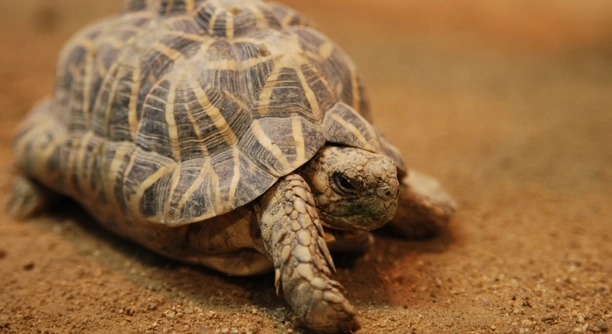
Indian Star Tortoises are fascinating creatures, and observing their behavior can be both entertaining and informative. If you’ve noticed your tortoise blinking rapidly, you may wonder what that means for their health.
Rapid blinking in Indian Star Tortoises is often a sign of irritation, stress, or discomfort. Environmental factors such as improper humidity, lighting, or temperature can trigger this behavior, as well as possible health concerns like eye infections.
Understanding the reasons behind your tortoise’s behavior is important. This article will guide you through the possible causes and solutions for the rapid blinking your tortoise may be displaying.
Understanding the Blink
When your Indian Star Tortoise blinks rapidly, it’s not something to overlook. Rapid blinking can be a natural response to irritation, stress, or an uncomfortable environment. Tortoises rely heavily on their surroundings to stay healthy, so any sudden changes in temperature or humidity may cause them to show unusual behaviors. Rapid blinking is often a sign that they’re trying to clear something from their eyes or deal with environmental discomfort.
Stress can trigger this response, but it could also indicate that your tortoise is trying to adjust to a shift in its habitat. If the lighting, temperature, or humidity is off, your tortoise may blink frequently as it tries to deal with the discomfort. Changes in these factors may be subtle, but they can have a strong impact.
Improper humidity can lead to eye irritation in tortoises. Inadequate lighting or temperature can cause physical stress as well, leading to eye blinking as a reaction. Keep an eye on these variables to make sure your tortoise’s environment is stable.
Health Issues to Watch For
Sometimes, rapid blinking could signal health problems. Tortoises can suffer from eye infections or other health-related issues that affect their blinking. If your tortoise continues to blink rapidly, you should inspect its eyes for any discharge or signs of swelling.
If you notice anything unusual, such as discharge, swelling, or cloudiness in the eyes, it’s crucial to consult a vet right away. Eye infections can worsen quickly, so addressing them as soon as possible is important for your tortoise’s health. Tortoises can also suffer from dehydration, which can impact their eyes and lead to abnormal blinking.
If an infection is detected, treatment often includes topical ointments or medications. Keeping your tortoise well-hydrated and maintaining proper environmental conditions can prevent many of these issues. By staying proactive with its care, you can ensure your tortoise stays happy and healthy.
Environmental Factors Impacting Blinking
Rapid blinking can be caused by poor environmental conditions. Tortoises rely on stable surroundings, and when those conditions shift, they can become stressed. Temperature and humidity play a huge role in their comfort.
If the humidity is too low, your tortoise may experience dry eyes or irritation, prompting rapid blinking. Temperature fluctuations are another factor that can cause discomfort. For Indian Star Tortoises, a temperature range of 80-90°F is ideal, with a basking spot reaching up to 95°F. If these conditions aren’t met, the stress could manifest as eye irritation and blinking.
Ensure that your tortoise’s habitat has the right humidity and temperature levels. Consider using a humidifier or misting its enclosure to maintain optimal moisture levels. Keep a thermometer and hygrometer to monitor the environment and make adjustments if needed. Stability is key to keeping your tortoise comfortable.
Lighting Considerations
Lighting is another critical factor for your tortoise’s well-being. Tortoises need UVB light to thrive, and without it, their overall health could be compromised. If the lighting is too dim or too bright, your tortoise may blink rapidly to adjust.
Proper UVB lighting helps your tortoise absorb calcium and maintain a healthy shell. Without enough UVB light, it can cause eye strain and irritation. Make sure your tortoise’s light is not only the right strength but also positioned correctly. If your tortoise is blinking more than usual, it could be struggling to adjust to an improperly placed light source. Ensure it’s positioned to mimic natural sunlight for optimal exposure.
Investing in a high-quality UVB bulb is a simple step to provide your tortoise with the best lighting environment. Regularly replace the bulbs as they lose effectiveness over time. Keeping your lighting in check will help prevent unwanted blinking and keep your tortoise healthy.
Eye Infections and Irritation
Eye infections can lead to rapid blinking, often accompanied by swelling or discharge. These infections are usually caused by bacteria or fungi and require medical attention. A visit to the vet can help ensure proper diagnosis and treatment.
If your tortoise has an eye infection, it may show signs of watery eyes, puffiness, or a cloudy appearance. Without treatment, the infection can worsen quickly, leading to more severe issues. Antibacterial eye drops or ointments may be prescribed to treat the infection, so it’s crucial to follow your vet’s instructions for full recovery.
Dehydration and Its Impact
Dehydration can cause your tortoise to blink excessively. When a tortoise doesn’t have enough water, it can affect its eyes and overall health. Keeping your tortoise hydrated is essential for its well-being.
Provide a shallow water dish that your tortoise can easily access. You can also mist its environment or soak your tortoise in warm water for a few minutes to help with hydration. Regularly check if it’s drinking and make sure fresh water is available daily. Keeping your tortoise hydrated can prevent many health issues.
FAQ
Why does my tortoise blink rapidly all the time?
Rapid blinking can be a sign that something is irritating your tortoise’s eyes, such as dust, particles, or an imbalance in their environment. Constant blinking may indicate issues like improper lighting, temperature, or humidity. It could also signal health problems, like an eye infection or dehydration, so monitoring its overall condition is essential.
How can I stop my tortoise from blinking rapidly?
To stop rapid blinking, ensure your tortoise’s habitat is properly maintained. Check the humidity levels, temperature, and UVB lighting to ensure they’re in the right range. If necessary, consult a vet to rule out any infections or health concerns that may require treatment.
Can my tortoise get an eye infection?
Yes, tortoises can get eye infections. These are often caused by bacteria or fungi and can cause symptoms such as swelling, redness, or discharge from the eyes. If your tortoise blinks rapidly and shows other signs of eye irritation, it’s best to consult a vet for treatment.
How do I know if my tortoise’s blinking is due to stress?
Stress in tortoises can lead to rapid blinking as they try to adjust to changes in their environment. Factors like a new enclosure, loud noises, or even new tank mates can cause stress. Look for other signs of stress, such as lack of appetite, hiding, or erratic movement.
What are the signs of dehydration in a tortoise?
Dehydration can lead to dry, sunken eyes, loss of appetite, and excessive blinking. To check for dehydration, gently pinch the skin on your tortoise’s neck or legs. If the skin doesn’t snap back quickly, it may be dehydrated. Ensure your tortoise has access to fresh water regularly to prevent this issue.
How can I ensure my tortoise has the right environment?
To maintain the right environment for your tortoise, focus on humidity, temperature, and lighting. Ensure the humidity is between 50-70%, with a basking area around 95°F. Provide UVB light to help with calcium absorption and overall health. A stable environment reduces stress and prevents health issues.
What should I do if my tortoise’s eyes are swollen or cloudy?
If your tortoise’s eyes appear swollen or cloudy, it’s important to take it to a vet. This can be a sign of an infection or other health issues. The vet may prescribe eye drops or other treatments to resolve the problem. Avoid self-diagnosing, as tortoises need specialized care.
Is it normal for a tortoise to blink slowly?
Slow blinking is usually normal and can be a sign that your tortoise is simply resting or adjusting to its surroundings. However, if you notice that the blinking is excessive or accompanied by other symptoms, it may be a good idea to check for potential environmental or health problems.
Can the wrong type of substrate cause eye irritation in my tortoise?
Yes, some substrates can cause eye irritation if they are dusty or contain small particles. It’s best to choose a substrate that is safe for tortoises, like coconut coir or organic soil, to avoid any issues. Make sure the substrate is kept clean and dry to prevent further irritation.
Can my tortoise’s blinking indicate that it’s not feeling well?
Yes, blinking can sometimes indicate discomfort or illness. If your tortoise’s blinking is paired with signs like lethargy, loss of appetite, or other abnormal behavior, it’s important to seek veterinary help. A thorough checkup can help identify underlying health issues that might be causing the problem.
Final Thoughts
If your Indian Star Tortoise is blinking rapidly, it’s a sign that something might not be right. It could simply be a reaction to environmental factors like humidity, temperature, or improper lighting. These are common issues that many tortoise owners face, but they can be easily adjusted with a few changes in their habitat. Monitoring the temperature, humidity, and lighting conditions in your tortoise’s enclosure is crucial to ensure they feel comfortable and secure.
However, rapid blinking could also be a sign of something more serious, such as an eye infection or dehydration. If the blinking doesn’t stop after making environmental adjustments, or if you notice other concerning symptoms, it’s important to consult a vet. Eye infections, if left untreated, can worsen and lead to more serious problems. Dehydration can also have a significant impact on your tortoise’s health and overall well-being. Ensuring your tortoise stays hydrated and receives proper medical care when needed will help prevent further complications.
By paying attention to your tortoise’s behavior and maintaining a proper environment, you can prevent rapid blinking and other health concerns. Regularly checking on their habitat, keeping it clean, and making necessary changes to their surroundings will help promote their overall happiness and health. Always remember that a small change in their environment can have a big effect on their behavior and well-being. Whether it’s adjusting the humidity, providing fresh water, or seeking professional care for infections, taking these steps will help keep your tortoise thriving.

Hello,
If you enjoy the content that we create, please consider saying a "Thank You!" by leaving a tip.
Every little bit helps us continue crafting quality advice that supports the health, happiness, and well-being of pets around the world, for pets of all shapes, sizes, and species.
We really appreciate the kindness and support that you show us!