
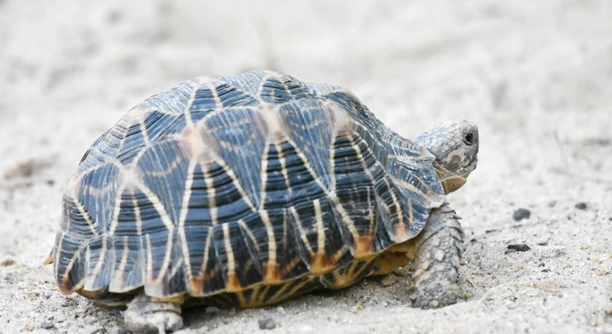
Indian Star Tortoises are popular reptiles known for their beautiful, star-patterned shells. If you’re a proud owner, ensuring they have the right environment is key for their well-being. One important factor is providing them with proper hides.
The best hides for Indian Star Tortoises are those that mimic their natural habitat, offering both security and comfort. The hides should provide a dark, enclosed space where they can retreat to feel safe, while also being easy to clean and maintain.
Providing your tortoise with the right hide can help reduce stress and encourage natural behaviors. We will explore some of the best options, including both store-bought and DIY solutions, so you can create the perfect home for your pet.
Why Proper Hides Are Important for Indian Star Tortoises
Indian Star Tortoises are naturally shy animals and prefer quiet, enclosed spaces to rest. Without proper hides, they can become stressed, which can lead to health problems. A suitable hide provides a retreat for your tortoise, mimicking their natural environment where they feel safe and secure. This sense of safety helps reduce anxiety and allows them to sleep better, encouraging overall health.
A hide gives your tortoise a chance to rest in peace, away from the constant activity in their habitat. It’s essential for their mental and physical well-being. When choosing a hide, make sure it’s large enough for your tortoise to enter, turn around, and stretch out comfortably.
Indian Star Tortoises are also known to burrow, so including a hide that allows them to dig or push around bedding is ideal. A hide should be designed to keep them cool, as tortoises often seek out shaded spots in the wild to avoid heat stress. With the right hide, you’ll see your tortoise feel more at ease, which can encourage them to eat and behave more naturally.
Types of Hides for Indian Star Tortoises
Not all hides are created equal. There are various options to choose from, and each type offers different benefits. Some hides are ready-made, while others can be customized to fit your tortoise’s needs.
Store-bought hides are easy to find in pet stores, but you can also create your own using materials that are safe and durable. Wood, plastic, and ceramic are common choices for commercial hides, but DIY options can also work just as well, depending on your tortoise’s needs.
Many tortoise owners opt for DIY hides because they can be personalized to their pet’s specific preferences. Simple materials such as wooden boxes, plastic containers, or even natural rocks can be transformed into functional hides with a bit of creativity. Just ensure the hide is sturdy, properly ventilated, and large enough for your tortoise to move around comfortably.
Store-Bought Hides for Indian Star Tortoises
There are many store-bought hide options for Indian Star Tortoises. They come in different materials and designs, making it easy to find one that fits your setup.
Commercial hides are often made from ceramic, wood, or plastic. Ceramic hides can help regulate temperature and humidity, keeping your tortoise comfortable. Wooden hides are natural-looking and offer a more rustic feel but may require more maintenance to avoid mold. Plastic hides are simple to clean, but they might not feel as cozy or natural for your tortoise. The key is to choose one that suits your pet’s size and preferences.
While store-bought hides are convenient, they can be expensive. Make sure you pick one that is easy to clean, well-ventilated, and offers enough space for your tortoise to move around. A good hide should have an entrance wide enough for your tortoise to get in and out without difficulty.
DIY Hides for Indian Star Tortoises
If you prefer a more cost-effective option, DIY hides are a great solution. With just a few materials, you can create a comfortable hide for your tortoise.
Common materials for DIY hides include plastic containers, wooden boxes, and even large rocks. You can transform a simple plastic bin into a hide by cutting an entrance large enough for your tortoise to walk through. Wooden boxes or crates can be modified with a few tools to make a perfect hide. Be sure to sand down rough edges to avoid injury. Adding bedding like coconut fiber or hay inside will make it even more inviting for your tortoise.
DIY hides allow you to be creative while ensuring your pet’s comfort. By building your own hide, you can customize it to fit your tortoise’s size and specific needs. It’s a simple, affordable way to give them a space that feels just right.
Best Materials for Tortoise Hides
The materials you use for a hide are important for both comfort and safety. Look for options that are non-toxic and easy to clean.
Wood, ceramic, and plastic are popular choices. Wood offers a natural feel, ceramic helps with temperature regulation, and plastic is simple to maintain. All have their advantages, so consider your tortoise’s needs.
Creating a Comfortable Hide for Your Tortoise
For a hide to be truly effective, it should also be comfortable. Adding bedding inside helps make it more inviting.
Coconut fiber, hay, or even shredded paper can be used to create a soft, natural environment. These materials help absorb moisture and give your tortoise a place to burrow, adding to their sense of security. Make sure the bedding is clean and replaced regularly to avoid mold buildup.
FAQ
What size hide does an Indian Star Tortoise need?
The size of the hide depends on the size of your tortoise. A hide should be large enough for your tortoise to enter, turn around, and stretch out comfortably. It shouldn’t be too small, as your tortoise needs space to feel safe. A hide that is too cramped can cause stress. Measure your tortoise’s length and height to determine the appropriate size. A good rule of thumb is to choose a hide that is at least 1.5 times the length of your tortoise.
Can I use multiple hides for my tortoise?
Yes, you can offer multiple hides. Some owners prefer to place different hides in various areas of the enclosure. This allows the tortoise to choose where it feels safest. Multiple hides can help your tortoise feel less stressed and give it more options when it wants to retreat. Just make sure each hide is appropriately sized and offers enough space.
How often should I clean my tortoise’s hide?
Cleaning the hide should be part of your regular enclosure maintenance. Typically, you should clean the hide once a week, or more often if necessary. Remove any bedding that is soiled, wash the hide with warm water and mild soap, and let it dry completely before returning it to the enclosure. A clean hide ensures your tortoise has a healthy environment free from bacteria and mold.
Can I use a plastic container as a hide for my tortoise?
Yes, a plastic container can make a great hide for your tortoise. Many owners use plastic tubs or bins because they are inexpensive and easy to modify. Simply cut a hole large enough for your tortoise to fit through and add bedding inside. Plastic hides are easy to clean, but you should ensure the container has good ventilation. Overheating can be a problem if the container is too airtight.
What are the best bedding options for tortoise hides?
The best bedding for your tortoise’s hide includes materials that help absorb moisture and provide a comfortable resting place. Coconut fiber is a popular choice because it is natural, absorbent, and easy to clean. Hay is another option, offering a soft and burrowable material. Avoid using cedar shavings, as the oils can be harmful to your tortoise. Shredded paper can also work in a pinch but may need to be replaced frequently.
Do Indian Star Tortoises need hides in the wild?
In the wild, Indian Star Tortoises do seek out shaded and sheltered spots to rest, such as under bushes or in burrows. These natural hides provide them with safety and comfort from predators and harsh weather. While they don’t always use a single, enclosed space like in captivity, having a hide mimics their natural behaviors and makes them feel secure.
Can I make my own hide from rocks?
Yes, rocks can be used to create a hide for your tortoise, provided they are arranged safely. You can stack rocks to form a small cave-like structure, but be sure the rocks are stable to avoid any accidents. It’s important that the rocks aren’t sharp or jagged, as they could harm your tortoise. Fill the hide with soft bedding to make it more comfortable. Just ensure the hide has good ventilation, and it’s not too small for your tortoise to move inside.
Should I add heat sources to my tortoise’s hide?
While your tortoise’s enclosure should have a heat source, the hide itself doesn’t need extra heat. Your tortoise should be able to regulate its temperature by moving in and out of the hide. The hide should provide a cooler, darker space for your tortoise to retreat to when it needs to cool down or feel secure. Make sure the overall enclosure has a temperature gradient, so your tortoise can choose areas that suit its needs.
Can a hide help with shell growth and health?
A proper hide doesn’t directly impact shell growth, but it does help your tortoise feel safe and comfortable, which is important for overall health. When a tortoise is stressed, it can affect their feeding and activity levels. By providing a hide, you allow your tortoise to feel secure, encouraging natural behaviors such as eating and moving, which indirectly promotes healthy growth.
What if my tortoise refuses to use the hide?
If your tortoise isn’t using the hide, it could be because it doesn’t feel secure or comfortable in the space. Make sure the hide is in a quiet, low-traffic area of the enclosure. You might need to experiment with different types of hides or bedding. Some tortoises are naturally more outgoing and may not seek out a hide as often, but ensuring the hide is a good fit will help encourage its use over time.
Are there any hides I should avoid for my tortoise?
Avoid using hides made of harmful materials such as painted wood with toxic chemicals, plastic that isn’t durable, or any hide that has sharp edges. A hide should be comfortable and safe. Make sure the entrance isn’t too narrow or obstructed, and always check for any potential hazards inside the hide. Keep it free of mold and bacteria by cleaning it regularly.
Final Thoughts
When it comes to choosing the best hide for your Indian Star Tortoise, the most important thing is to provide a space where they feel secure and comfortable. Tortoises are naturally shy and prefer quiet, sheltered areas where they can retreat when they feel threatened or need rest. A proper hide helps reduce stress and encourages natural behaviors, like sleeping and eating, which are essential for their health. Whether you go for a store-bought option or a DIY solution, it’s crucial to select a hide that fits your tortoise’s size and needs.
If you decide to create your own hide, there are plenty of affordable and simple ways to do so. Plastic containers, wooden boxes, and even rocks can be used to build a functional and safe hide. When designing your hide, make sure it is large enough for your tortoise to enter, turn around, and stretch out comfortably. Adding bedding like coconut fiber, hay, or shredded paper can also help make the space more inviting. Just ensure that the materials are safe and non-toxic. A hide should also have good ventilation to avoid overheating, especially if it’s placed in a warm area of the enclosure.
Remember that the hide isn’t just about providing a dark space for your tortoise; it’s also about replicating their natural environment as much as possible. In the wild, Indian Star Tortoises use shelters like shrubs, rocks, and burrows to hide from predators and extreme weather. By offering a similar environment, you’re helping your tortoise feel more at ease in captivity. It’s also worth noting that each tortoise is unique, and some may prefer different types of hides or bedding. Pay attention to how your tortoise interacts with the hide, and feel free to make adjustments to ensure they have the best possible space. With the right hide, you can help your tortoise thrive in its home.

Hello,
If you enjoy the content that we create, please consider saying a "Thank You!" by leaving a tip.
Every little bit helps us continue crafting quality advice that supports the health, happiness, and well-being of pets around the world, for pets of all shapes, sizes, and species.
We really appreciate the kindness and support that you show us!