
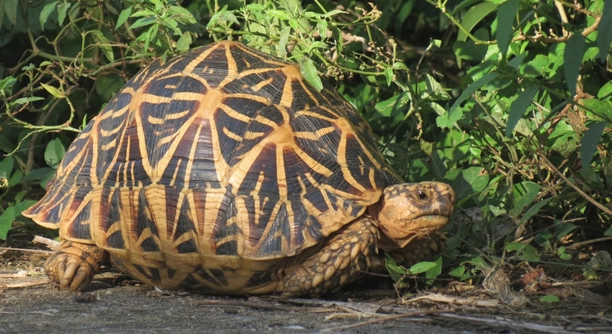
Indian Star Tortoises are curious and active creatures that often communicate their needs through behavior. If your tortoise is constantly scratching at the door, there could be several reasons behind this action.
The most likely explanation for this behavior is that your tortoise is seeking attention or trying to find a way out. Tortoises are territorial animals and scratching at the door can indicate a desire for exploration or a need to be in a different environment.
Understanding why your Indian Star Tortoise scratches at the door can help you meet its needs and improve its living situation. Keep reading to learn how you can address this behavior effectively.
Why Do Indian Star Tortoises Scratch at the Door?
Indian Star Tortoises are highly active animals that have a natural instinct to explore their surroundings. They are often curious and will seek out new spaces, scratching at doors, windows, or other barriers when they feel the need for change. This behavior is a sign that your tortoise may be feeling restless or confined. While some scratching can be harmless, it’s important to pay attention to your tortoise’s overall well-being and environment to understand if the behavior is a sign of a deeper issue. Tortoises have specific habitat needs, and when they are not met, they will try to communicate their discomfort. It is crucial to provide a balanced environment for your pet to thrive and feel safe.
This behavior could also stem from the tortoise feeling bored or under-stimulated. Tortoises, like many animals, need mental and physical enrichment to stay healthy. Scratching at the door could simply be their way of expressing frustration when they are not given enough space or interaction.
If your tortoise is constantly scratching at the door, it might indicate that they are trying to find a way out of their current living space. You should check if the enclosure is large enough to allow free movement and access to various activities. Tortoises need room to roam, burrow, and climb in order to maintain a healthy lifestyle. Without proper space, they can become agitated and scratch or try to escape. Adding new enrichment items like plants, hiding spots, or a basking area may also help reduce this behavior by stimulating their curiosity and making them feel more comfortable.
How to Address Scratching Behavior
While scratching can be a normal behavior, it is important to assess your tortoise’s living environment. The solution is often adjusting their habitat to make it more suitable.
Try increasing the size of the enclosure or adding new features to it. Tortoises enjoy exploring, and an enriched space can minimize the scratching behavior. Adjusting your tortoise’s routine with outdoor time or new objects in the habitat can help too. Adding variety to their environment can be a key step in reducing restlessness and improving their happiness.
Lack of Space in the Enclosure
If your tortoise doesn’t have enough room to roam, it will likely scratch at the door to express frustration. A small enclosure can cause stress, making your tortoise want to escape.
A cramped space can also lead to other health issues. Tortoises need space to move freely and maintain their physical well-being. If their home is too small, they may not be able to get enough exercise, which can lead to obesity or joint problems. When creating an enclosure, aim for a minimum of 4×8 feet for a single tortoise. The larger the space, the better. If you’re unsure of the right size, it’s always better to give them more room.
A spacious enclosure doesn’t just provide physical benefits; it can also help with mental stimulation. When your tortoise has room to explore and interact with different elements, like plants or hiding spots, it will be less likely to scratch at the door. The more variety you add to the environment, the less likely your tortoise will feel the need to seek an escape.
Enrichment Needs of Indian Star Tortoises
Tortoises are curious creatures that need more than just food and water. They thrive in environments that offer plenty of stimulation. Without it, they may resort to scratching as a sign of boredom or frustration.
Adding enrichment to your tortoise’s habitat is essential for their well-being. You can do this by placing rocks, logs, and plants for them to explore. These features not only make the space more interesting but also give your tortoise things to climb over or hide under. Providing multiple basking spots and water areas will help encourage natural behavior like soaking or basking. It’s also helpful to change the layout from time to time to keep things fresh and exciting for your pet.
Mental and physical enrichment can reduce anxiety and help prevent scratching behavior. Offering variety and challenges in their habitat gives your tortoise the opportunity to exercise and satisfy its curiosity.
Temperature and Lighting Issues
If your tortoise’s enclosure doesn’t have the right temperature, it might scratch at the door due to discomfort. Tortoises need both warm and cool areas to regulate their body temperature.
Having a temperature gradient is key to keeping your tortoise comfortable. One side of the enclosure should be warmer (around 85-90°F), while the other side should be cooler (70-75°F). If these conditions aren’t met, your tortoise could become stressed, which may result in scratching. Additionally, proper lighting, like UVB bulbs, helps mimic natural sunlight. Without it, your tortoise’s health could decline, and scratching might increase.
When the lighting and temperature are right, your tortoise will feel more secure in its environment. You can monitor the setup with a thermometer and UVB light to ensure the proper conditions are maintained. A comfortable environment can help reduce the scratching behavior that may stem from discomfort.
Lack of Social Interaction
Tortoises are solitary, but they do benefit from occasional interaction. If they feel lonely, they may scratch at the door looking for attention.
Tortoises need some level of engagement, even if they don’t require constant social interaction. Simply observing your tortoise or offering gentle handling can help prevent loneliness. A lack of interaction can lead to anxiety and stress, which may manifest in behavior like scratching at the door.
FAQ
Why is my tortoise scratching at the door?
Tortoises scratch at doors when they feel confined, bored, or uncomfortable in their environment. They are curious creatures, and if they don’t have enough space to explore, they may try to get out by scratching. Scratching is a sign that they need more stimulation or an adjustment in their habitat, such as more room, enrichment, or better temperature conditions.
How can I stop my tortoise from scratching the door?
To stop your tortoise from scratching, first check if its enclosure is large enough and provides enough room for exploration. You can also introduce enrichment items like rocks, plants, and hiding spots to keep them entertained. Ensuring the right lighting and temperature will make them feel more comfortable. Regularly changing the layout of their space can also help reduce boredom and the need to scratch.
Do Indian Star Tortoises need social interaction?
Indian Star Tortoises are solitary animals, but they still require some social interaction. They don’t need constant attention, but occasional gentle handling or observing them can help them feel secure. Tortoises may scratch at the door if they feel neglected, so it’s important to spend time with them, even if it’s just for brief periods.
Can scratching be a sign of stress in my tortoise?
Yes, excessive scratching can indicate stress in your tortoise. Stress may be caused by factors like improper habitat conditions, loneliness, or boredom. If the scratching is constant, it’s essential to assess your tortoise’s living environment and daily routine to identify the cause. Reducing stress will improve your tortoise’s health and well-being.
How do I know if my tortoise is feeling too hot or cold?
Your tortoise will show signs if the temperature is not right. If it’s too hot, it might seek cooler areas or stay inactive. On the other hand, if it’s too cold, your tortoise may scratch at the door to escape the discomfort, or it might seem lethargic. To avoid this, make sure your enclosure has a temperature gradient, with warmer basking spots and cooler areas.
What temperature is best for an Indian Star Tortoise?
An Indian Star Tortoise needs a temperature range of 85-90°F on the warm side and 70-75°F on the cooler side. You should also provide a basking area with temperatures reaching around 95°F. Proper lighting, including UVB light, is also crucial for their health, as it helps them produce vitamin D3 and digest calcium.
Do I need to feed my tortoise daily?
While Indian Star Tortoises don’t need daily feeding, they should be provided with food every other day. Their diet should consist mainly of leafy greens, flowers, and other plant-based foods. Overfeeding can lead to obesity, while underfeeding can cause malnutrition. Make sure to provide a balanced, varied diet to meet their nutritional needs.
Can I keep more than one tortoise in the same enclosure?
It’s possible to house more than one Indian Star Tortoise together, but it requires careful consideration. Tortoises can become territorial, especially during mating season, and conflicts may arise. If you decide to house multiple tortoises, make sure the enclosure is large enough to provide each one with enough space to avoid stress and aggression.
How can I tell if my tortoise is sick?
Sick tortoises may show signs like loss of appetite, lethargy, swollen eyes, or abnormal shell growth. If your tortoise is consistently scratching at the door and seems more restless than usual, it might be a sign of discomfort or stress that could be related to a health issue. Always monitor for changes in behavior and consult a vet if you suspect your tortoise is unwell.
How much space does an Indian Star Tortoise need?
An Indian Star Tortoise needs at least 4×8 feet of space for a single tortoise. The more space, the better. In a larger enclosure, they can move around freely, explore, and engage in natural behaviors, which reduces the likelihood of stress and the need to scratch.
Final Thoughts
Understanding why your Indian Star Tortoise scratches at the door is the first step in addressing the behavior. Scratching is often a sign that your tortoise is either seeking more space, feeling bored, or experiencing discomfort in its environment. These tortoises are curious creatures and need enough room to move around, explore, and engage in natural behaviors. If their enclosure is too small or lacks stimulation, they will likely resort to scratching to express their frustration. Paying attention to these signs can help you create a better living space for your tortoise.
Providing a comfortable and enriching environment is essential for the well-being of your tortoise. Along with a spacious enclosure, it’s important to make sure the habitat has the right temperature and lighting. Tortoises are sensitive to changes in their environment, and improper conditions can cause stress. A proper temperature gradient, with a basking area and cooler spots, will help your tortoise feel secure. Adding enrichment, such as plants, rocks, and hiding spots, will give them things to explore and enjoy, preventing boredom and reducing scratching behavior. Keep the enclosure clean and regularly check that the heating and lighting conditions remain optimal.
Lastly, remember that while tortoises are solitary animals, they still require some level of interaction and attention. Regular observation and gentle handling can help them feel less isolated. They may not crave constant social interaction, but they do need some form of connection to remain healthy and happy. By making adjustments to their living conditions, offering them enrichment, and spending time with them, you can reduce the likelihood of scratching and ensure your tortoise remains content in its home.

Hello,
If you enjoy the content that we create, please consider saying a "Thank You!" by leaving a tip.
Every little bit helps us continue crafting quality advice that supports the health, happiness, and well-being of pets around the world, for pets of all shapes, sizes, and species.
We really appreciate the kindness and support that you show us!