
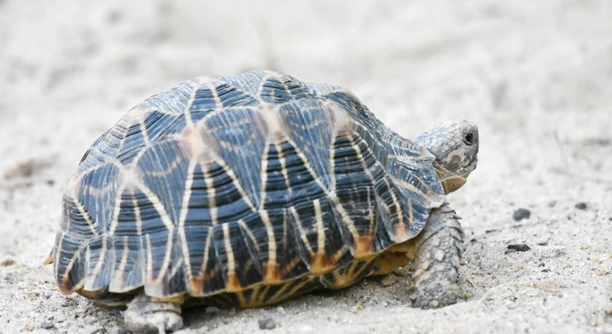
The Indian Star Tortoise is a beloved pet for many, but its lifespan can vary depending on several factors. Understanding these influences can help you care for your pet better.
The lifespan of an Indian Star Tortoise is primarily influenced by factors like diet, habitat, health care, and environmental conditions. Proper care and attention to these aspects can significantly increase the tortoise’s longevity.
These key factors affect your tortoise’s well-being, and knowing more about them can help ensure a longer, healthier life for your pet.
Diet and Nutrition
The diet of an Indian Star Tortoise plays a crucial role in its overall health and longevity. A proper balance of vegetables, fruits, and leafy greens is essential for providing the necessary vitamins and minerals. A tortoise’s diet should also include grasses, which are vital for their digestive system. Overfeeding or offering too much high-calcium food can lead to health issues, such as shell deformities or kidney problems. It’s important to avoid foods that are high in oxalates, like spinach, which can prevent calcium absorption. Fresh, clean water should always be available.
An imbalanced diet can lead to malnutrition, stunted growth, or even early death. Proper nutrition is a cornerstone for a long life.
By offering a diet rich in variety, you help your tortoise maintain strong bones, healthy shells, and proper organ function. Regularly changing up their food sources can also keep them engaged and encourage healthy feeding habits. Ensuring your tortoise gets enough fiber is key to preventing digestive issues. Keep in mind that a tortoise’s nutritional needs change as they age, so make adjustments accordingly.
Habitat and Environment
The environment in which your tortoise lives can impact its health and lifespan. A warm, dry space with access to sunlight is essential for its well-being. UVB light is especially important as it helps your tortoise produce vitamin D3, which is necessary for calcium absorption. Without proper lighting, a tortoise can develop metabolic bone disease.
Creating an appropriate habitat should involve not only the right temperature but also the right humidity levels. Too much humidity or too little can cause respiratory issues, while extreme temperature shifts can be harmful. A comfortable enclosure with enough space to roam is important for your tortoise’s physical and mental health.
Having access to both warm and cool areas within its enclosure allows your tortoise to regulate its body temperature. Providing hiding spots or natural materials like rocks, sand, and plants can also help replicate their natural habitat, reducing stress and encouraging natural behaviors.
Health Care and Veterinary Visits
Regular health check-ups with a veterinarian are vital for detecting early signs of illness. A tortoise’s shell, eyes, and overall activity should be monitored frequently. Preventative care can help address problems before they become serious.
A veterinarian can also help with routine checks for parasites, fungal infections, or respiratory issues. Early treatment of these conditions can prevent long-term damage and improve your tortoise’s lifespan. Be sure to ask your vet about proper vaccinations or supplements needed for your tortoise’s health.
A healthy tortoise will show active behavior, eat regularly, and maintain a steady weight. Avoid ignoring symptoms such as lethargy, reduced appetite, or abnormal shell growth. Addressing health problems promptly can help you ensure your tortoise stays strong for years.
Stress and Handling
Over-handling or frequent environmental changes can cause stress to your tortoise. Tortoises are naturally shy and prefer a stable, calm environment. Prolonged stress can weaken their immune system and shorten their life expectancy.
When interacting with your tortoise, try to keep it minimal and gentle. Tortoises should not be passed around too much or forced to interact with other pets. Avoid placing them in noisy or busy areas, as constant disturbances can be overwhelming.
Proper handling should be respectful of their natural behavior. Let them move freely in their enclosure and allow them time to explore at their own pace. Keeping their environment predictable and peaceful promotes a healthier, longer life.
Temperature and Lighting
The right temperature is crucial for your tortoise’s health. Tortoises need a basking area with a heat source to regulate their body temperature. This helps them digest food and stay active. Keep the temperature consistent, as fluctuations can stress them out.
UVB lighting should be used to simulate natural sunlight. This is necessary for vitamin D3 production, which is important for calcium absorption and shell health. Without UVB light, your tortoise may suffer from metabolic bone disease. Make sure the lights are replaced regularly, as their effectiveness fades over time.
Hygiene and Cleanliness
Maintaining a clean living space for your tortoise reduces the risk of infection. Regularly clean the enclosure, change the water, and remove any uneaten food. Proper hygiene prevents bacteria from building up and causing health issues.
Keep the tortoise’s shell clean as well. Dirt and waste buildup can lead to infections or shell rot. A gentle scrub with a soft brush can keep the shell free from harmful bacteria.
Social Interaction
Indian Star Tortoises are solitary animals by nature. They don’t require much social interaction but may appreciate some companionship from time to time. However, keeping more than one tortoise in the same enclosure can lead to aggression, especially among males.
Ensure that each tortoise has enough space and hiding spots to prevent conflict. If you choose to keep multiple tortoises, be prepared for the possibility of territorial disputes. Providing separate enclosures or carefully monitoring interactions can help reduce stress and aggression.
FAQ
How long do Indian Star Tortoises live?
Indian Star Tortoises can live anywhere from 50 to 100 years if properly cared for. The lifespan depends on their diet, living conditions, and overall health. Some may live shorter lives if they face environmental stress, poor nutrition, or neglect.
What is the ideal habitat for an Indian Star Tortoise?
Indian Star Tortoises thrive in warm, dry climates with access to sunlight. A spacious enclosure with both warm and cool areas will help your tortoise regulate its body temperature. The habitat should also have UVB light to ensure proper calcium absorption and prevent shell issues. The enclosure should be large enough to allow free movement and include rocks, hides, and natural materials to mimic their natural environment.
What do Indian Star Tortoises eat?
Indian Star Tortoises are herbivores and primarily eat grasses, weeds, and leafy greens. Offer them a variety of vegetables, like kale, dandelion greens, and collard greens. Fruits should be given sparingly as treats. Avoid feeding them high-oxalate foods like spinach and rhubarb. A balanced diet is important for strong bones and shell health.
Do Indian Star Tortoises need special lighting?
Yes, UVB lighting is essential for Indian Star Tortoises to produce vitamin D3, which is crucial for calcium absorption and overall health. Without UVB light, they can develop metabolic bone disease. Be sure to use proper UVB bulbs and replace them regularly, as their effectiveness decreases over time.
How often should I feed my Indian Star Tortoise?
Indian Star Tortoises should be fed daily, with a focus on leafy greens and grasses. You can provide vegetables and small amounts of fruit a few times a week. The portion size should be based on their age and activity level. Hatchlings and juveniles require more food than adults. Always ensure they have fresh water available.
Can Indian Star Tortoises live with other pets?
It’s not recommended to keep Indian Star Tortoises with other pets, especially ones that may view them as prey or cause stress. If you do want to keep multiple tortoises together, make sure they have enough space to avoid territorial disputes. Never house them with aggressive animals like dogs or cats.
What temperature should the enclosure be?
The basking area should be between 90-95°F (32-35°C), while the cooler areas of the enclosure should range between 75-85°F (24-29°C). At night, temperatures can drop to around 70°F (21°C). It’s important to maintain consistent temperature levels to prevent your tortoise from becoming stressed or sick.
How can I tell if my tortoise is healthy?
A healthy tortoise will have clear eyes, a smooth, firm shell, and an active appetite. They should be alert and regularly moving around their habitat. If your tortoise becomes lethargic, loses weight, or stops eating, it could be a sign of illness, and a visit to the vet is necessary.
How do I clean my tortoise’s enclosure?
Regular cleaning is essential for your tortoise’s health. Remove uneaten food, waste, and soiled bedding every day. Once a week, thoroughly clean the entire enclosure, including any rocks or decorations. Use non-toxic cleaners and disinfectants to kill harmful bacteria. Always ensure the enclosure is dry to avoid mold and fungal growth.
What is the best way to handle an Indian Star Tortoise?
Indian Star Tortoises are not fond of being handled too much. When you need to move your tortoise, gently lift it by the sides of the shell rather than the legs. Avoid picking them up by their limbs, as this can cause injury. Only handle them when necessary to reduce stress.
Why isn’t my tortoise eating?
A loss of appetite can be caused by stress, temperature fluctuations, or illness. If your tortoise isn’t eating, check its environment to ensure the temperature and humidity are appropriate. It could also be due to a lack of proper food variety. If the issue persists, a vet visit may be needed.
Can I keep more than one Indian Star Tortoise together?
Indian Star Tortoises are solitary creatures, and keeping more than one in the same enclosure can lead to territorial conflicts. If you choose to house multiple tortoises, ensure there is plenty of space for each one, with separate hiding spots and basking areas. Monitor them closely for signs of aggression.
What should I do if my tortoise’s shell has a crack or injury?
If your tortoise’s shell is cracked or injured, it’s important to seek immediate veterinary care. Shell injuries can lead to infections and other serious issues. Keep the tortoise in a clean, dry area to avoid further contamination. A vet will provide treatment options depending on the severity of the injury.
Can Indian Star Tortoises swim?
Indian Star Tortoises are not natural swimmers. While they can tolerate brief dips in shallow water, they prefer land-based habitats. It’s important not to leave them in water for extended periods, as they could drown or suffer from respiratory issues. Provide them with a shallow dish of water for drinking and soaking.
Caring for an Indian Star Tortoise requires attention to detail and a commitment to providing the best environment. These tortoises, while hardy, need proper care to live a long and healthy life. Understanding their dietary needs, providing the right habitat, and ensuring regular health checks can help you meet their basic requirements. Proper lighting and temperature control are just as important as a varied and balanced diet. Creating the right environment not only improves their health but also ensures they thrive in captivity.
Regular maintenance of their living space is also key. A clean and spacious enclosure helps prevent health issues like respiratory infections or shell rot. While Indian Star Tortoises are independent creatures, they still need a stable environment to feel secure. With the right setup, you can avoid unnecessary stress and ensure that your tortoise remains comfortable. Stress from overcrowding or irregular temperature fluctuations can shorten their lifespan, so it’s essential to monitor their habitat closely.
In the end, patience and consistency are the foundations of good tortoise care. It’s important to respect their natural habits and create a space where they can feel safe and healthy. By providing them with a proper diet, a clean home, and regular veterinary care, you can help ensure your Indian Star Tortoise lives a long and happy life.

Hello,
If you enjoy the content that we create, please consider saying a "Thank You!" by leaving a tip.
Every little bit helps us continue crafting quality advice that supports the health, happiness, and well-being of pets around the world, for pets of all shapes, sizes, and species.
We really appreciate the kindness and support that you show us!