
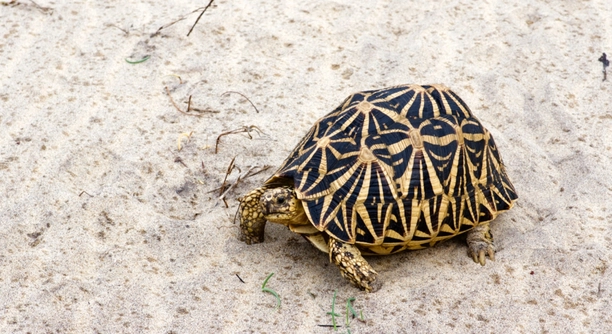
Indian Star Tortoises are known for their unique appearance and gentle nature. As a pet owner, you may wonder about the types of food that can be safely added to their diet, like fruits such as raspberries.
Indian Star Tortoises can eat raspberries in moderation. These berries provide essential vitamins and antioxidants that benefit their health. However, due to their high sugar content, raspberries should only be offered as an occasional treat to avoid digestive issues.
Raspberries can be a tasty treat for your tortoise, but it’s important to ensure they are given in moderation.
The Nutritional Value of Raspberries for Indian Star Tortoises
Raspberries are packed with beneficial nutrients, making them a valuable addition to your Indian Star Tortoise’s diet. They contain vitamin C, which helps with immune function, and antioxidants that support overall health. Additionally, these berries are rich in fiber, which aids in digestion. While raspberries are not a primary food source for tortoises, they provide a variety of vitamins and minerals that can enhance their well-being when offered as an occasional treat. However, it is important to note that they should not replace more essential foods such as leafy greens and hay. Introducing a variety of fruits, including raspberries, can also keep your tortoise’s diet interesting and balanced.
Feeding your tortoise raspberries should always be done in moderation to avoid any potential digestive upset. Too many berries can lead to an imbalance in their diet and cause health issues such as diarrhea.
The best approach to feeding raspberries is to offer them once or twice a week. This allows your tortoise to enjoy the health benefits of the berries without overloading their system with excess sugar. Always make sure the raspberries are thoroughly washed to remove any pesticides or harmful chemicals. When preparing raspberries for your tortoise, cut them into small, manageable pieces to prevent choking. Monitor your tortoise after feeding to ensure they are not experiencing any negative reactions.
Risks of Overfeeding Raspberries
Offering raspberries too often can lead to excess sugar intake, which is not ideal for tortoises. This can result in an upset stomach or digestive issues, which can be uncomfortable for your pet. It is crucial to avoid overindulgence and always aim for a well-rounded diet.
Excessive sugar consumption over time can also lead to obesity in Indian Star Tortoises. This condition can shorten their lifespan and lead to other health complications. To keep your tortoise healthy, it’s best to limit sugary treats like raspberries and focus on a balanced, nutrient-rich diet primarily consisting of vegetables and grass.
How to Properly Introduce Raspberries into Their Diet
When introducing raspberries to your Indian Star Tortoise, start by offering a small amount. This will allow you to observe how they react to the fruit. Raspberries are not a regular food source, so moderation is key.
Start by offering a small berry, sliced into manageable pieces. Monitor your tortoise for any signs of discomfort such as changes in their behavior or digestive issues. If your tortoise enjoys it without any issues, you can gradually offer raspberries once a week as a treat. This helps ensure that their digestive system adjusts to the new food without any complications.
Always make sure to clean the raspberries thoroughly before offering them. This removes any pesticides or harmful residues that could be harmful to your tortoise. Additionally, never feed raspberries with added sugar or preservatives. Fresh, natural raspberries are the best option for your tortoise’s health. Remember, raspberries should always complement a well-balanced diet of leafy greens and other vegetables.
Health Benefits of Raspberries for Indian Star Tortoises
Raspberries contain essential nutrients that are beneficial for your tortoise’s health. They are rich in vitamin C, which supports immune function, helping to keep your pet healthy and strong. The antioxidants found in raspberries can also support your tortoise’s overall health, reducing the effects of aging and improving skin health.
The fiber content in raspberries aids in digestion and helps maintain a healthy gut. This is crucial for tortoises, as a healthy digestive system is key to their well-being. The vitamins and minerals in raspberries can also complement their regular diet, ensuring they get a variety of nutrients to thrive. Keep in mind that these fruits should only serve as an occasional supplement to a primarily plant-based diet.
While the health benefits are clear, remember that raspberries are high in sugar. Therefore, they should not be overfed to your tortoise. Keeping this balance ensures that your tortoise gets the benefits of the fruit without the risks of too much sugar.
Frequency of Feeding Raspberries to Indian Star Tortoises
Raspberries should only be offered as a treat once or twice a week. Overfeeding can lead to digestive issues, so it’s important to maintain a balanced diet with a focus on leafy greens and other vegetables. Treats should never replace essential foods.
It’s essential to stick to a moderate frequency when feeding raspberries to avoid overloading your tortoise’s system with sugar. Regularly offering fruits like raspberries can be enjoyable for your tortoise, but it should remain a rare addition. The goal is to keep the overall diet healthy and diverse while offering these fruits occasionally for enrichment.
How Raspberries Affect Tortoise Digestion
Raspberries are high in fiber, which can help promote healthy digestion in Indian Star Tortoises. The fiber content helps maintain regular bowel movements and supports gut health. However, overconsumption can lead to soft stools or diarrhea.
When feeding raspberries, it’s important to monitor your tortoise’s digestive health. If you notice any signs of digestive distress, it’s best to reduce or eliminate raspberries from their diet for a while. The key is to offer the fruit sparingly and ensure that the tortoise’s regular diet remains rich in fiber from other sources like hay and leafy greens. A balanced diet ensures your tortoise stays in good shape without risking digestive upset.
Choosing the Right Type of Raspberries
Always choose fresh, organic raspberries when feeding them to your tortoise. Avoid berries with any mold or visible signs of rot, as these could harm your pet. Ensure the fruit is clean and free from pesticides to guarantee it’s safe for your tortoise.
FAQ
Can raspberries be harmful to my Indian Star Tortoise?
Raspberries are not harmful in moderation. However, they are high in sugar, so overfeeding can cause digestive issues such as diarrhea. It’s essential to offer them sparingly, once or twice a week at most. Always monitor your tortoise for any adverse effects after feeding.
How many raspberries can I feed my tortoise?
You can feed your tortoise about one to two raspberries per week. This amount ensures they enjoy the fruit’s benefits without consuming excessive sugar. Start with a small portion and watch for any signs of discomfort or digestive problems.
Should I remove the seeds from raspberries before feeding them to my tortoise?
No, there is no need to remove the seeds from raspberries. The seeds are small and soft, so they are safe for your tortoise to consume. Just make sure to wash the fruit thoroughly to remove any pesticides or chemicals before feeding.
Can raspberries replace other fruits or vegetables in my tortoise’s diet?
Raspberries should not replace other fruits or vegetables. They are meant to be a treat and should complement a well-balanced diet. Your tortoise’s primary food should consist of leafy greens, grasses, and other vegetables, with fruits like raspberries being a small part of the diet.
Are there other fruits that are better than raspberries for my tortoise?
Yes, there are other fruits that are better for your tortoise. Options like papaya, strawberries, and melons can be offered as treats and contain beneficial vitamins. However, these should also be fed in moderation. The focus should always be on leafy greens and hay, which provide the most important nutrients for your tortoise’s health.
Can my tortoise eat frozen raspberries?
Frozen raspberries are safe to feed to your tortoise as long as they are thawed first. Freezing doesn’t significantly alter the nutritional value of raspberries, but it can affect the texture. Ensure that the berries are thawed and fresh before offering them to your pet.
Can raspberries cause obesity in tortoises?
Raspberries are not likely to cause obesity if fed in moderation. However, overfeeding any treat that contains sugar can contribute to weight gain. It’s important to monitor your tortoise’s overall diet and make sure they are getting enough exercise, along with a balanced, low-sugar diet.
What if my tortoise doesn’t seem to like raspberries?
It’s perfectly normal for some tortoises to not enjoy raspberries. Every tortoise has its own preferences when it comes to food. If they refuse raspberries, try offering different fruits or sticking to their usual diet of leafy greens and vegetables. Never force your tortoise to eat something they don’t like.
Can I feed my tortoise raspberries with added sugar or syrup?
No, you should never feed your tortoise raspberries with added sugar or syrup. The extra sugar can be harmful and lead to health issues, including obesity and digestive problems. Always feed fresh, natural raspberries without any additives.
How do I know if my tortoise is having trouble digesting raspberries?
Signs that your tortoise may be having trouble digesting raspberries include diarrhea, lack of appetite, or lethargy. If you notice any of these symptoms after feeding raspberries, it’s best to remove them from their diet for a while and consult a veterinarian if the issue persists.
Are raspberries good for baby Indian Star Tortoises?
Baby tortoises have more sensitive digestive systems than adults, so it’s best to avoid feeding them raspberries until they are older. When they are ready, introduce raspberries as a treat in moderation, just like with adult tortoises. Focus on providing a diet rich in leafy greens and high-fiber vegetables.
Can raspberries be fed to tortoises that have health issues?
If your tortoise has health issues, particularly digestive problems, it’s best to avoid feeding them raspberries. The high sugar content may worsen their condition. Always consult with a vet before introducing any new foods, especially if your tortoise is sick or has existing health concerns.
How can I safely store raspberries for my tortoise?
Raspberries should be stored in a cool, dry place. It’s best to refrigerate them to keep them fresh longer. If you have extra raspberries that you won’t use right away, freeze them. Just remember to thaw them before offering them to your tortoise.
Can I feed my tortoise raspberries every day?
No, raspberries should not be fed every day. Their high sugar content can upset your tortoise’s digestive system if offered too frequently. Treat raspberries as an occasional snack, ensuring the rest of your tortoise’s diet is balanced with vegetables, grasses, and high-fiber foods.
How do raspberries compare to other berries for tortoises?
Raspberries are a good option, but other berries like blueberries and strawberries can be better in terms of lower sugar content. Each berry offers unique nutritional benefits, but all should be fed in moderation. Stick to a variety of fruits for your tortoise to enjoy without risking health problems from overfeeding.
Final Thoughts
Indian Star Tortoises can enjoy raspberries as an occasional treat, but it is essential to feed them in moderation. While raspberries provide beneficial nutrients like vitamins and fiber, they are also high in sugar. Overfeeding sugary fruits can lead to digestive problems and other health issues in your tortoise. For a balanced diet, it is crucial to focus on leafy greens, grasses, and high-fiber vegetables, which should make up the majority of your tortoise’s meals. Fruits like raspberries should only serve as an occasional addition to their diet.
When offering raspberries, always make sure to choose fresh, organic fruit free from pesticides. Wash them thoroughly before feeding to ensure they are safe for your tortoise to consume. You don’t need to remove the seeds, as they are small and soft enough for your tortoise to digest. Pay attention to your tortoise’s response after feeding raspberries. If you notice any signs of digestive distress, such as diarrhea or lack of appetite, reduce the amount of raspberries or eliminate them from their diet altogether. It’s important to watch your tortoise’s overall health and adjust its diet accordingly.
By offering a variety of fruits in moderation and ensuring a proper balance of other foods, you can contribute to your tortoise’s long-term well-being. Remember that each tortoise is different and may have unique dietary preferences or sensitivities. If you are ever unsure about the best diet for your tortoise, it’s a good idea to consult with a veterinarian who specializes in reptiles. With careful attention to their diet and overall care, your Indian Star Tortoise can live a happy and healthy life.

Hello,
If you enjoy the content that we create, please consider saying a "Thank You!" by leaving a tip.
Every little bit helps us continue crafting quality advice that supports the health, happiness, and well-being of pets around the world, for pets of all shapes, sizes, and species.
We really appreciate the kindness and support that you show us!