
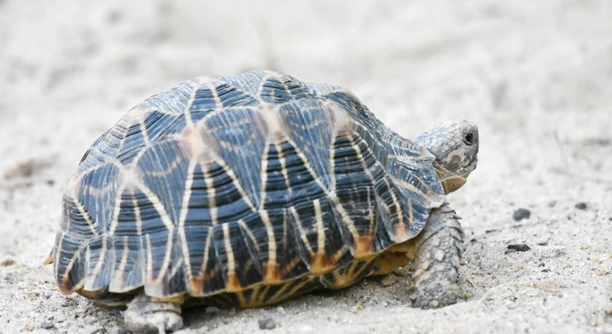
Relocating an Indian Star Tortoise requires careful planning and consideration. Their well-being is essential during the move, and ensuring that the transition is as smooth as possible is important for their health and safety.
To safely relocate an Indian Star Tortoise, create a secure, calm environment. Ensure the tortoise has proper ventilation, temperature, and humidity levels during transit. Limit stress by minimizing handling and ensuring the travel container is stable and secure.
Proper relocation methods help reduce the stress and potential health risks for your tortoise. The right approach is key to ensuring your pet’s safe and smooth journey to its new home.
Choosing the Right Container for Relocation
When relocating an Indian Star Tortoise, the container is one of the most important factors to consider. A sturdy, well-ventilated box or travel carrier is essential. The container should be large enough for the tortoise to move around but not too big, as this could cause additional stress. You’ll want to choose a carrier that can be securely closed to avoid any accidents during transit. A plastic or wooden box with ventilation holes works well, as it ensures airflow and keeps the tortoise comfortable. Avoid using containers that are too heavy or cumbersome to carry, as they can increase stress.
A secure lid is essential to prevent escapes. Make sure the tortoise is safe inside with no room to climb out or move around too much. This minimizes the risk of injury.
Additionally, adding soft bedding like shredded newspaper or paper towels can help cushion the tortoise. This provides some comfort during transport, reducing jostling and the chances of injury.
Preparing the Environment for Travel
Before starting the relocation, ensure the transport vehicle is ready. It should be well-insulated to maintain a steady temperature. Keep the tortoise out of direct sunlight to avoid overheating and ensure a consistent climate throughout the trip.
Keep in mind that a stable environment with proper humidity and temperature levels will help reduce stress. Too much heat or cold can cause health issues, so check the temperature every so often during transport. Keeping the carrier in a cool, shaded place can help regulate these conditions.
If you’re driving, avoid sudden movements or excessive noise. A quiet and calm atmosphere will prevent unnecessary stress. If the travel time is long, make stops to check on the tortoise and ensure everything remains stable.
Handling Your Tortoise During Relocation
When handling your Indian Star Tortoise during relocation, try to keep it as calm as possible. Gently lift it by the sides of its shell, avoiding the legs and head. If it’s an adult, try to support its body with both hands to avoid stressing it. Handling should be brief and done carefully, as excessive touch can cause stress. Always make sure your hands are clean before touching the tortoise to avoid transferring harmful substances.
Use soft, slow movements to avoid startling it. Handling the tortoise minimally is best, as they may feel anxious or disoriented. Once it’s in the container, avoid opening it unnecessarily. This reduces the chances of stress and confusion. Always check the tortoise for signs of distress during the move. If it seems too stressed, take breaks to provide a more relaxing environment.
Monitoring the Health of Your Tortoise During the Move
It’s essential to monitor your tortoise’s health during relocation. Before moving, check that it’s in good health. Look for signs such as lethargy, irregular breathing, or excessive sweating, as these could indicate stress. During transport, keep an eye out for any unusual behavior, such as hissing, excessive movement, or refusal to eat. These can be signs that the tortoise is feeling overwhelmed.
If you notice any unusual behavior, try to reduce the stress by adjusting the conditions in the container. Ensure there is enough ventilation and that the temperature remains stable. Offering small amounts of water can also help keep the tortoise hydrated and comfortable. If the journey is long, consider consulting a vet before the trip for advice on managing any health concerns.
Ensuring Proper Temperature During Transport
Maintaining the right temperature is crucial for your Indian Star Tortoise’s comfort and health. Too much heat can cause dehydration, while cold temperatures may lead to stress or even illness. Check the temperature in the transport container regularly. A consistent, mild temperature is ideal.
If necessary, use a portable heating pad or warm water bottle to regulate the temperature. Make sure the heat source does not touch the tortoise directly, as it can get too hot and cause burns. The ideal temperature range is between 75°F and 85°F. Avoid sudden temperature changes during transit.
Preparing for Arrival at the New Location
Once you’ve reached the new location, ensure the tortoise’s habitat is prepared ahead of time. Set up the enclosure with appropriate bedding, food, and access to water. Keep the new environment calm and quiet to help the tortoise adjust smoothly.
The new habitat should resemble its previous home as much as possible. This will ease the transition and reduce the chance of stress. Make sure the enclosure is secure and has areas for the tortoise to hide, providing a sense of safety.
FAQ
How long can an Indian Star Tortoise be in transit?
Ideally, your Indian Star Tortoise should not be in transit for more than 8 to 10 hours. Prolonged exposure to stress and limited movement can negatively affect its health. If the travel time is long, take breaks to check on the tortoise and offer water. The shorter the trip, the better for your tortoise’s well-being.
What should I do if my tortoise gets stressed during transport?
If your tortoise seems stressed, try to reduce the stress factors. Ensure the container is not too cramped, provide some soft bedding, and check the temperature to ensure it’s within the safe range. If stress continues, slow down the transport and offer breaks. Reduce any loud noises, sudden movements, or disturbances that may increase stress levels.
Can I feed my tortoise during transport?
Feeding your tortoise during transport is generally not recommended, as it may cause digestive problems or stress. A tortoise can go without food for a short period. It’s more important to keep the tortoise hydrated and ensure proper environmental conditions. Offer food only if the journey is particularly long and you’ve stopped for an extended period.
Should I provide water during transport?
Yes, it’s important to provide water during transport. Dehydration is a serious concern for tortoises, especially during long trips. Place a shallow water dish in the transport container to allow the tortoise to drink if it needs to. Make sure the water dish is secure to avoid spills and accidents.
What if the weather is extremely hot or cold on the day of relocation?
In extreme weather, extra precautions are needed. For hot weather, keep the tortoise out of direct sunlight and provide cool, shaded areas inside the transport container. For cold weather, use a heat pack to maintain a safe, warm temperature, but be cautious not to make the environment too hot. Monitor the temperature frequently to keep it in the ideal range of 75°F to 85°F. If possible, delay the relocation until conditions improve.
Is it okay to relocate my tortoise by air?
Relocating by air is possible, but it requires extra care. Air travel can be stressful for a tortoise, so it’s best to check with the airline about specific regulations for transporting reptiles. The container must be secure, well-ventilated, and meet airline guidelines. Choose a direct flight if possible to reduce the time spent in transit. Consider consulting a vet beforehand to ensure your tortoise is healthy enough for the journey.
Can I use a regular pet carrier for transport?
A regular pet carrier might work, but it’s important to ensure it provides enough ventilation and space for the tortoise. Look for carriers that are sturdy and secure, with a lid that closes tightly. The carrier should be large enough for the tortoise to move slightly but not so large that it can be jostled around during transport.
How do I prepare my tortoise for the move?
Start preparing your tortoise by making sure it’s healthy before the move. A visit to the vet can help ensure there are no underlying health concerns. Acclimate the tortoise to its transport container a few days before the move, so it’s not stressed by the unfamiliar environment. Try not to handle it too much before the move, as this can cause unnecessary stress.
Should I give my tortoise a bath before relocation?
Giving your tortoise a bath can help hydrate it before the move, but it’s not strictly necessary. If you do choose to bathe it, make sure the water is lukewarm and not too deep. Allow the tortoise to soak for 10-15 minutes, which will also help clean its shell.
What is the best way to keep the tortoise calm during transport?
To keep your tortoise calm, try to maintain a quiet, smooth transport environment. Limit handling, avoid loud noises, and keep the temperature stable. Make sure the container is secure and provides enough space without being too large. Reducing visual stimulation can also help, so keep the carrier covered or shielded from movement outside.
Can I relocate multiple tortoises at once?
It’s possible to relocate multiple tortoises, but make sure the transport container is large enough for them. They should have enough space to move around but should not be able to interact too closely with each other to avoid stress or possible aggression. Ensure proper ventilation and adjust the environment for each tortoise’s comfort.
What is the best bedding to use for the transport container?
Shredded newspaper or paper towels are great options for bedding, as they’re soft and absorbent. Avoid using materials that may be harmful or difficult to clean, such as wood shavings. The bedding should be enough to cushion the tortoise but not so thick that it interferes with airflow or makes the environment too hot.
How can I tell if my tortoise is sick after relocation?
After relocating, monitor your tortoise for any signs of illness, such as loss of appetite, lethargy, or abnormal behavior. If it seems sluggish, has difficulty breathing, or shows signs of injury, consult a vet immediately. Changes in stool or the appearance of the shell can also indicate health issues.
Final Thoughts
Relocating an Indian Star Tortoise may seem like a challenging task, but with proper planning, it can be done safely and with minimal stress. The key is to create a calm, comfortable environment during the entire process, from the transport container to the new home. By ensuring the right temperature, ventilation, and handling, you can make the move much easier for your tortoise. It’s important to be patient and avoid rushing, as too much stress can affect your tortoise’s health. A smooth transition to a new environment ensures that your pet will adapt well in the long run.
The transport container plays a crucial role in keeping your tortoise safe during the move. It should be secure but spacious enough for the tortoise to feel comfortable. Adding soft bedding and ensuring proper ventilation are simple steps that go a long way. Regularly checking on the tortoise during transport is essential to ensure it is not feeling too stressed. Handling the tortoise gently and only when necessary will help avoid unnecessary anxiety. By making the environment as calm and stable as possible, you reduce the risks of any complications.
Lastly, it’s essential to provide a stable, familiar environment once your tortoise reaches its new home. Set up the enclosure ahead of time with proper bedding, water, and food. This will allow your tortoise to settle in quickly and comfortably. Monitor its behavior for any signs of stress or illness and act promptly if anything seems off. The goal is to make sure your Indian Star Tortoise remains healthy and happy, both during the move and in its new habitat. By following these steps, you can ensure a successful relocation with minimal stress for your pet.

Hello,
If you enjoy the content that we create, please consider saying a "Thank You!" by leaving a tip.
Every little bit helps us continue crafting quality advice that supports the health, happiness, and well-being of pets around the world, for pets of all shapes, sizes, and species.
We really appreciate the kindness and support that you show us!