
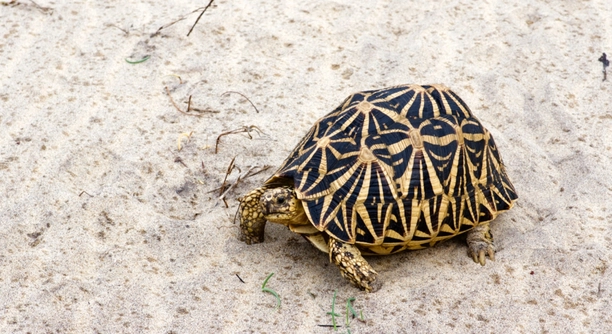
Stress can affect the well-being of your Indian star tortoise, making it harder for them to thrive. Understanding how to reduce stress is essential for keeping them happy and healthy in their habitat.
To reduce stress in Indian star tortoises, it is crucial to create a calm and stable environment. Ensuring the right habitat, proper diet, regular monitoring, and avoiding handling stressors can significantly reduce their anxiety and promote well-being.
Taking simple steps to care for your tortoise will help maintain a peaceful and balanced life for them.
Create a Calm and Comfortable Habitat
The environment in which your Indian star tortoise lives plays a significant role in their stress levels. A proper habitat mimics their natural surroundings, providing comfort and security. A spacious enclosure with plenty of hiding spots will make them feel safe. Make sure the temperature is appropriate, ranging from 85°F during the day to 70°F at night. Humidity levels should also be maintained between 50% and 60%. The substrate should be soft yet absorbent, with options like coconut coir or organic soil being ideal choices.
Ensure there is enough light to mimic natural conditions. UVB lighting is essential for their shell and bone health. Their living space should also allow for gentle exploration and exercise. A tank that’s too small or lacks enrichment can increase stress, making your tortoise feel trapped.
Your tortoise should be able to retreat to a quiet area within their habitat whenever they want. Keeping these elements balanced helps avoid unnecessary tension and discomfort.
Provide a Proper Diet
Indian star tortoises need a variety of fresh greens, grasses, and occasional fruits to stay healthy. Avoid feeding them high-protein foods like meat, as it can cause digestive issues and stress. Incorporating calcium and vitamin D3 is important for shell health, and offering a balance of fiber will help keep their digestive system running smoothly. Keep their food clean and fresh.
By creating a proper diet plan and sticking to it, you can help prevent unnecessary stress on your tortoise’s body, which could contribute to behavioral stress.
Limit Handling and Stressful Interactions
Indian star tortoises are naturally shy and can easily become stressed by too much handling. If you need to move your tortoise, do so gently and for a short period. Avoid frequent handling as it can cause anxiety, making them feel unsafe.
When interacting with your tortoise, it’s important to be slow and deliberate. Rushing or sudden movements can startle them, leading to stress. If your tortoise retreats into its shell, give it space to calm down. Regularly monitor your tortoise’s behavior to gauge when it is comfortable with interaction. This will help reduce unnecessary stress.
In their natural environment, tortoises don’t need constant attention. Giving them time to explore their surroundings on their own allows them to feel more secure. Over time, your tortoise will begin to trust you more, but it’s essential to respect their space and let them dictate the pace of interaction.
Provide Adequate Space
A spacious environment is vital for an Indian star tortoise to feel at ease. A cramped living space can lead to frustration and stress, negatively impacting their health. Make sure their enclosure is large enough for them to move around freely.
A larger enclosure allows your tortoise to exhibit natural behaviors like foraging, walking, and hiding. This promotes physical health and reduces the likelihood of stress. Ensure the space includes areas for basking, hiding, and climbing to enrich their daily activities. A space where they can’t easily access food or water also helps in controlling stress.
The bigger and more naturalistic the habitat, the more likely your tortoise will feel comfortable. By giving your tortoise room to roam and retreat, you ensure a happier and healthier pet.
Manage Noise Levels
Indian star tortoises can easily be stressed by loud or constant noises. A quiet environment is essential for their well-being. Avoid placing their enclosure near areas of high traffic or loud activities.
Constant noise can lead to anxiety in tortoises. Creating a peaceful environment helps them feel secure, reducing stress. Keep their living area calm, away from the hustle and bustle of daily life. This is key to maintaining their health.
Temperature Control
Maintaining the right temperature in their habitat is crucial. Too hot or too cold can cause stress and health issues.
Invest in a reliable thermometer and ensure your tortoise has access to both warmer and cooler areas in the enclosure. A proper temperature gradient allows your tortoise to regulate its body temperature, preventing stress.
FAQ
How can I tell if my Indian star tortoise is stressed?
Stress in Indian star tortoises may show through changes in behavior. You might notice them being more withdrawn, spending a lot of time hiding in their shell, or moving less. They may also stop eating or drinking as much, leading to dehydration or weight loss. If your tortoise is displaying unusual behavior, it’s important to monitor their surroundings and routine. Look for any recent changes in their habitat, temperature, or diet that may have caused stress. A stressed tortoise will often retreat into its shell, and if this continues for an extended period, it’s a good idea to consult a vet.
Can too much sunlight stress my tortoise?
Yes, too much direct sunlight can stress your Indian star tortoise. While UVB light is essential for their health, excessive exposure to direct sunlight can lead to overheating or dehydration. Ensure that your tortoise has a shaded area to retreat to when it gets too hot. They should have access to both basking areas and cooler, shaded spots in their enclosure. UVB light should be provided in controlled intervals, using a proper UVB lamp, especially if your tortoise is kept indoors.
What should I do if my tortoise isn’t eating?
If your tortoise stops eating, it’s often a sign of stress. Check if the temperature, humidity, and lighting conditions in their enclosure are suitable. Make sure the food you’re offering is fresh and appropriate for their diet. If everything seems normal and your tortoise still refuses food, there may be a health issue, and it’s best to visit a vet. Lack of food intake can also be caused by changes in the environment, improper diet, or sudden handling. Reducing handling during this time can help your tortoise regain its appetite.
How much space does an Indian star tortoise need?
Indian star tortoises require plenty of space to move around. As a general rule, the minimum enclosure size should be 4×2 feet for a single tortoise. Larger is always better, as they thrive in environments that allow for natural behaviors like foraging and exploration. A larger space also helps reduce the chance of territorial stress. You can add plants, rocks, and other enrichments to their enclosure to make it feel more like their natural habitat. Just be sure to keep the space clean and dry to prevent health problems.
What is the best substrate for an Indian star tortoise?
The best substrate for Indian star tortoises is something that is absorbent and easy to clean. Coconut coir, organic soil, or a mix of sand and soil works well. Avoid using loose gravel or large rocks, as they can cause injury if ingested. A good substrate will allow your tortoise to burrow and feel safe, while also maintaining appropriate humidity levels. The substrate should be replaced regularly to prevent mold or bacteria build-up. If you’re not sure, a deep layer of coconut coir works well for most tortoises.
Can I handle my Indian star tortoise often?
Handling should be minimal, as Indian star tortoises do not enjoy constant interaction. They are naturally shy and can become stressed by excessive handling. Limit interactions to once or twice a week, and make sure your tortoise is comfortable before handling. When you do handle your tortoise, be gentle and avoid sudden movements that might startle it. Always allow your tortoise to move at its own pace and avoid holding them for extended periods. Too much handling can cause stress and lead to behavioral changes.
How do I provide proper humidity for my tortoise?
Maintaining the right humidity levels is important for your Indian star tortoise’s health. A humidity range of 50% to 60% is ideal. You can achieve this by misting the enclosure daily or using a humidity gauge to monitor levels. If the air is too dry, your tortoise may experience dehydration or respiratory issues. It’s also important to have a dry basking area and a humid spot in the enclosure so your tortoise can choose the environment it feels most comfortable in. Be careful not to overdo it, as too much humidity can cause mold growth.
What temperature should I keep for my tortoise?
Indian star tortoises thrive in temperatures between 85°F during the day and 70°F at night. You should provide a temperature gradient in their enclosure, allowing them to choose between warmer and cooler areas. Use a heat lamp to create a basking spot that reaches about 90°F, but make sure there is also a cooler area in the enclosure where your tortoise can retreat if it gets too hot. Monitor the temperatures closely to prevent overheating or chilling, as either can cause stress and health issues.
Should I provide a hiding spot for my tortoise?
Yes, hiding spots are important for your Indian star tortoise’s well-being. Tortoises, especially when stressed, need a safe place where they can retreat and feel secure. Adding a simple hide or small cave in their enclosure provides them with a place to rest undisturbed. This will help your tortoise reduce stress and feel more in control of its environment. Make sure the hide is easily accessible and large enough for your tortoise to fit comfortably inside. You can use rocks, logs, or even small boxes as hides.
Final Thoughts
Caring for an Indian star tortoise involves creating the right environment to keep them comfortable and stress-free. By paying attention to their habitat, diet, and overall care, you can help reduce stress and improve their quality of life. The most important thing is to ensure that their living space mimics their natural surroundings, with proper temperature, humidity, and room to move. Providing a balanced diet with the right nutrients and limiting stressful interactions will also go a long way in keeping your tortoise healthy.
Stress in tortoises can have serious effects on their health. Whether it’s through environmental factors, excessive handling, or improper care, stress can weaken their immune system and lead to other health problems. By observing their behavior and responding to their needs, you can prevent stress before it becomes an issue. Keep the enclosure clean, offer a variety of food, and create a peaceful environment where your tortoise feels safe. Regularly check their living conditions to ensure they remain comfortable and happy.
Taking the time to understand your Indian star tortoise’s behavior and care requirements is essential for their well-being. While they may not show affection in the same way as pets like dogs or cats, they still need attention, care, and a peaceful environment. With the right setup and care routine, your tortoise can thrive and live a long, healthy life. Remember, a little effort goes a long way when it comes to keeping your tortoise stress-free and happy.

Hello,
If you enjoy the content that we create, please consider saying a "Thank You!" by leaving a tip.
Every little bit helps us continue crafting quality advice that supports the health, happiness, and well-being of pets around the world, for pets of all shapes, sizes, and species.
We really appreciate the kindness and support that you show us!