
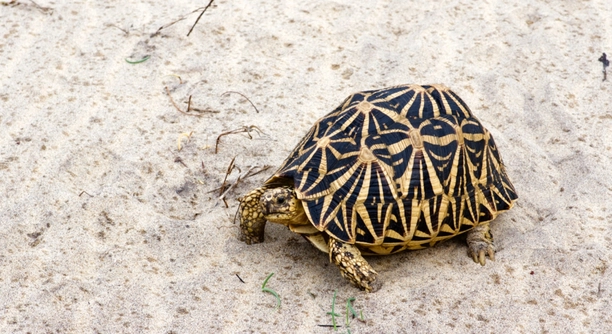
Indian Star Tortoises are fascinating creatures, but sometimes they make strange noises that can leave owners puzzled. It’s important to understand why this happens so you can keep your pet healthy and comfortable.
The noises made by Indian Star Tortoises can be due to stress, respiratory issues, or communication. Often, tortoises produce sounds when they are anxious or unwell, such as hissing, grunting, or wheezing.
Exploring the reasons behind these noises will help you ensure your tortoise stays happy and healthy. Proper care can prevent many common issues that lead to unwanted sounds.
Common Reasons for Tortoise Noises
When your Indian Star Tortoise makes noises, it could be related to a variety of factors. Tortoises might grunt, hiss, or wheeze, and these sounds can indicate either stress or health issues. Some noises are simply a natural form of communication between tortoises, especially when they are feeling threatened or are in an unfamiliar environment. It is important to observe your pet closely to identify whether the noises occur in specific situations. If the tortoise seems agitated or restless, it might be a sign that it is stressed. On the other hand, wheezing or labored breathing could point to respiratory infections or other health concerns. Always ensure your pet’s habitat is clean, stress-free, and comfortable to help avoid these issues.
Not all sounds are problematic, but it is crucial to keep an eye on your tortoise’s behavior to rule out any serious conditions. Regular health checks and a good living environment play a big role in their well-being.
If your tortoise makes frequent wheezing sounds, this could indicate a respiratory infection or other illness. If your tortoise’s noise seems unusual or occurs with other symptoms like lethargy, loss of appetite, or nasal discharge, it’s important to consult a vet. Early diagnosis can help prevent more serious complications from developing. Tortoises are prone to respiratory issues, especially if they live in a too-cold or humid environment. It’s important to make sure their habitat is at the correct temperature and humidity levels to promote good health. Make sure your tortoise has access to clean water and fresh food as well. If your tortoise seems stressed and is making noises, you might also want to check for changes in their environment, like the introduction of a new pet or a noisy area.
Dealing with Stress and Anxiety
Stress is a common factor in tortoise behavior.
If your Indian Star Tortoise is making noises due to stress, it may be reacting to environmental changes, handling, or even too much noise around its living space. When a tortoise feels overwhelmed, it can produce various sounds like hissing or grunting. This is usually its way of communicating discomfort or fear. Keeping your tortoise’s environment stable and quiet can go a long way in reducing stress. Avoid handling it too frequently or making sudden changes to its habitat. If your pet does not have a designated hiding spot, consider providing a safe space where it can retreat and feel secure. In some cases, adding plants or hiding places inside the enclosure can help your tortoise feel more comfortable.
Providing a consistent routine and a peaceful environment is key. The right balance of privacy, attention, and care can help prevent stress and reduce noisy behavior.
Respiratory Infections and Their Impact
Respiratory issues are one of the main causes of tortoise noises.
If your Indian Star Tortoise is wheezing, coughing, or making other unusual noises while breathing, it could be suffering from a respiratory infection. This happens when bacteria or fungi invade the respiratory system, often due to an improper environment. Tortoises need to be kept in specific temperature and humidity conditions, and failure to meet these can weaken their immune system, making them more susceptible to infections. If the infection is left untreated, it can lead to more severe health problems.
Symptoms to look for include excessive mucus, labored breathing, or a lack of appetite. To prevent respiratory infections, make sure your tortoise’s habitat is kept at the right temperature—typically between 75-85°F (24-29°C)—and that there is adequate airflow. Avoid humidity levels that are too high, as this can cause respiratory problems. If your tortoise is showing signs of illness, it’s important to take it to a vet immediately.
Environmental Factors
The environment plays a significant role in your tortoise’s health.
An inappropriate environment can lead to stress, discomfort, and even illness in your tortoise. Make sure your tortoise’s habitat provides the right temperature, humidity, and lighting to avoid issues that can cause distress and noises. The enclosure should include a basking area with a heat source, and a cooler section to allow your tortoise to regulate its body temperature. Also, ensure that there is enough space for it to move around freely. Inadequate space or improper lighting can cause stress, leading to vocalizations like hissing or grunting.
Keep the enclosure clean and free of waste to prevent any potential health risks. A stable and well-maintained environment will not only reduce the likelihood of noise-causing problems but also improve your tortoise’s overall well-being. If you notice frequent noises, take a moment to assess whether any changes to the habitat are needed.
Handling and Overhandling
Frequent handling can lead to stress for your tortoise.
Indian Star Tortoises are naturally shy creatures and may not enjoy being handled too often. While gentle interactions are important, overhandling can cause stress, which might result in hissing or other noises. It’s important to strike a balance between giving your tortoise enough attention and respecting its space.
Try to limit handling to necessary moments, like health checks or cleaning the enclosure. Give your tortoise time to adjust to new surroundings or people, allowing it to feel safe and secure. Less handling can help keep your tortoise more relaxed.
Diet and Digestion
Diet plays a key role in your tortoise’s comfort.
A poor diet can lead to digestion issues or even discomfort that might make your tortoise vocal. Providing a balanced diet that includes the right mix of leafy greens, vegetables, and occasional fruit is essential for healthy digestion. Avoid feeding your tortoise processed foods, as this can lead to digestive problems. A balanced diet will help prevent gas, bloating, or other issues that can result in noises.
If your tortoise is making unusual sounds after eating, it could be a sign of digestive discomfort. Always observe what your tortoise eats and how it reacts afterward to adjust its diet accordingly.
FAQ
Why is my tortoise hissing?
Hissing is a common sound made by tortoises when they feel threatened or scared. It’s their way of trying to warn you or other animals to stay away. If your tortoise is hissing regularly, it could be a sign that it feels unsafe or stressed in its environment. Factors like handling, sudden changes in its habitat, or the presence of other animals can lead to this behavior. Make sure the tortoise has a quiet, secure space where it can retreat if it feels overwhelmed. Avoid too much handling, especially if it is new to your home.
Can tortoises make noises when they are in pain?
Yes, tortoises can make noises when they are in pain. If your tortoise is making unusual sounds like wheezing, whining, or grunting, and these noises are accompanied by signs of physical distress, it could be a signal of injury or illness. Tortoises may grunt when trying to breathe if they are having respiratory problems or when they are suffering from injuries. If your tortoise makes these sounds along with other symptoms, like lethargy or lack of appetite, it’s important to seek immediate veterinary care. Early diagnosis can prevent more serious health complications.
How can I reduce the stress levels of my tortoise?
Reducing stress for your tortoise involves maintaining a calm, stable environment. Ensure that your tortoise’s enclosure is quiet and free from sudden loud noises or disturbances. Tortoises are sensitive to temperature and humidity, so keeping the habitat within the proper range is essential for their well-being. If your tortoise is stressed by handling, limit the time spent interacting with it and allow it to adjust to its environment. Provide hiding spots and plenty of space for the tortoise to retreat to when it feels threatened. Reducing these stressors can help lessen vocalizations like hissing or grunting.
Is it normal for my tortoise to make noises when eating?
It is not unusual for a tortoise to make soft noises while eating, especially if it is enjoying its food. However, if the noises seem to indicate discomfort or pain, it could point to issues with its digestive system or diet. Ensure that your tortoise is eating a balanced diet, consisting mostly of leafy greens and some vegetables and fruits. Avoid overfeeding or offering too much protein, as this can lead to digestive problems. If your tortoise seems to be struggling or making distressing sounds while eating, check its mouth and teeth for any signs of injury or disease. If the problem persists, consult a vet.
Should I be concerned if my tortoise is making wheezing sounds?
Wheezing sounds from a tortoise could be a sign of a respiratory infection, which should not be ignored. Respiratory problems can occur if the tortoise is kept in an environment that is too cold or too humid. Other symptoms of respiratory illness include nasal discharge, labored breathing, or lethargy. If your tortoise is wheezing or showing other signs of illness, it’s crucial to take it to a vet for a proper diagnosis. Respiratory infections can become severe if left untreated, so quick intervention is important to avoid complications.
What are the common causes of respiratory infections in tortoises?
Respiratory infections in tortoises are often caused by improper temperature or humidity levels in their environment. If a tortoise is kept in an enclosure that is too cold, its immune system may weaken, making it more susceptible to infections. Additionally, poor ventilation and high humidity can also contribute to respiratory issues. To avoid these problems, maintain the appropriate temperature range (75-85°F or 24-29°C) and ensure that your tortoise’s enclosure is well-ventilated. Regularly check the humidity and temperature levels and adjust them as needed to promote the tortoise’s health.
What can I do if my tortoise is making noise due to anxiety?
If your tortoise is making noises due to anxiety, it’s important to identify the source of stress and address it. Ensure that the environment is calm, and avoid any loud noises or sudden movements that could startle your tortoise. If there are other pets or animals nearby, make sure they aren’t intimidating your tortoise. Tortoises also need a proper hiding spot to retreat when they feel anxious. Providing such a place will help your tortoise feel safer and less anxious. Over time, as it adjusts to its environment, the noises may decrease.
Can tortoises make sounds to communicate with other tortoises?
Yes, tortoises can communicate with each other through sounds. When kept in groups, they may make noises to establish territory, warn others of potential threats, or even during mating rituals. These sounds can include hissing, grunting, or other vocalizations. If your tortoise is making noises in the presence of another tortoise, it may be reacting to the other’s behavior or presence. However, if there are no other tortoises around and your tortoise is still making noise, stress or health issues are more likely to be the cause.
How can I tell if the noises are caused by illness or just normal behavior?
Distinguishing between normal behavior and signs of illness can be challenging, but there are a few things to watch for. If your tortoise is simply making occasional sounds like soft grunts or gentle wheezes while moving or eating, these may be normal. However, if the noises are frequent, accompanied by other symptoms like lethargy, loss of appetite, or changes in behavior, illness may be the cause. A visit to the vet will help clarify whether the noises are related to health concerns or are simply a part of your tortoise’s natural behavior.
Final Thoughts
Understanding the reasons behind your Indian Star Tortoise’s noises can help you provide better care for your pet. Whether it’s a simple sign of stress, an indication of illness, or just a way to communicate, it’s important to observe the context in which the noises occur. If your tortoise is making sounds regularly, consider factors like its environment, diet, and overall health. These can give you clues as to whether the noises are a normal part of its behavior or a sign that something is wrong. By staying attentive and responsive to these signals, you can ensure your tortoise remains comfortable and well-cared for.
Proper care and environment play a big role in minimizing unnecessary noises. Tortoises thrive in stable, quiet environments, and providing the right temperature, humidity, and space will make a noticeable difference in their behavior. It’s also essential to limit excessive handling, as this can lead to stress and cause hissing or other signs of discomfort. Regular health check-ups and a balanced diet will help maintain your tortoise’s well-being and prevent health issues that may result in abnormal sounds. Addressing potential stressors and keeping their living space clean and secure should be a priority for any tortoise owner.
If you notice any concerning symptoms, such as wheezing, labored breathing, or a lack of appetite alongside unusual noises, it’s best to consult a vet. Respiratory infections and other health problems are common in tortoises, but they can be treated effectively if caught early. Taking prompt action will help avoid complications and ensure your tortoise stays healthy. Understanding your tortoise’s behavior, maintaining a stable environment, and addressing potential health concerns will go a long way in making sure your pet enjoys a long, comfortable life.

Hello,
If you enjoy the content that we create, please consider saying a "Thank You!" by leaving a tip.
Every little bit helps us continue crafting quality advice that supports the health, happiness, and well-being of pets around the world, for pets of all shapes, sizes, and species.
We really appreciate the kindness and support that you show us!