
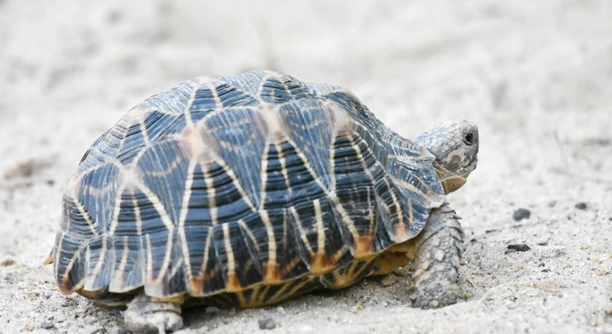
If your Indian Star Tortoise suddenly stops eating, it can be worrying. Loss of appetite can be caused by several factors, some of which might need immediate attention. Understanding the potential reasons behind this behavior is important.
The most common reasons for an Indian Star Tortoise’s sudden loss of appetite include stress, illness, or changes in environmental conditions. Temperature fluctuations, improper lighting, or a poor diet can contribute to this behavior, and it may require professional evaluation to determine the underlying cause.
Knowing how to address your tortoise’s feeding issues will help in maintaining its health. Taking the proper steps now ensures it gets back on track with a balanced diet.
Common Health Issues in Indian Star Tortoises
If your Indian Star Tortoise isn’t eating, it might be dealing with a health issue. Some common conditions that could affect their appetite include respiratory infections, parasites, or metabolic bone disease. Respiratory infections are particularly concerning because they often cause lethargy and a lack of appetite. Symptoms can include nasal discharge, wheezing, or swollen eyes. Parasites, on the other hand, are often a hidden issue. If your tortoise is having digestive problems, this could be the cause. Metabolic bone disease typically results from a calcium deficiency and can affect the tortoise’s overall energy levels, leading to a loss of interest in food. These conditions need to be treated by a vet.
Infections and parasites are not the only issues that could cause your tortoise to stop eating. Changes in diet, like offering food they don’t like or find unappealing, might cause them to lose interest. Even if they have a balanced diet, a lack of variety could be a factor.
Take note of any other symptoms your tortoise might be showing. If there’s a consistent lack of eating, it’s important to have a vet evaluate their health.
Stress and Environmental Factors
Your tortoise’s environment plays a huge role in its eating habits. Stress can be caused by improper lighting, temperature, or even the presence of other animals. Indian Star Tortoises are sensitive to changes in their surroundings. A decrease in the basking temperature or a sudden drop in humidity can cause them to feel uneasy, which can result in a loss of appetite. Additionally, if they are exposed to direct sunlight for too long or have an overly dry environment, they may refuse to eat. The ideal temperature range for these tortoises is around 85-90°F during the day, with a cooler nighttime temperature of around 70°F. A humid environment (50-60%) is also important.
A sudden move or relocation within the home can also lead to stress. If your tortoise’s enclosure was recently changed or if new objects or animals were introduced, this might have caused some anxiety, affecting its eating patterns. Keep the habitat stable and avoid unnecessary disruptions. Even something as simple as a loud noise can disturb their comfort, leading to decreased activity, including eating.
Environmental stress factors are often overlooked but play a significant role in a tortoise’s health and appetite. By ensuring a stable, calm environment and monitoring the habitat carefully, you can reduce the likelihood of stress-related eating issues.
Diet and Nutrition Problems
A sudden change in diet can cause an Indian Star Tortoise to stop eating. If the food offered is not to their liking or lacks essential nutrients, they might refuse to eat. These tortoises require a high-fiber diet, rich in leafy greens and vegetables. Fruits should only be offered in moderation.
When preparing their food, ensure a variety of safe vegetables such as dandelion greens, collard greens, and hibiscus. Offering them fresh food that has not been sitting too long can help with their appetite. If you’ve been feeding them a lot of fruit, this might also cause an imbalance, as too much sugar can discourage them from eating.
An imbalance in calcium and vitamin D3 can also make them less interested in food. The right supplements, combined with proper exposure to UVB light, are vital for their overall health. Without these, they might develop metabolic bone disease or other health issues.
Hydration Concerns
Dehydration could be another factor preventing your tortoise from eating. A dry environment or inadequate water intake can cause serious health issues. Indian Star Tortoises often need to soak in water to stay hydrated. If they are not provided with access to a shallow dish of water, they may become dehydrated, affecting their appetite.
If you suspect dehydration, offer your tortoise a warm soak in shallow water. This will allow them to drink and hydrate, which can stimulate their appetite. Sometimes, it takes just one or two soaks to make a difference in their willingness to eat. A hydrated tortoise is far more likely to eat regularly than one that is dehydrated. Be sure to monitor their water supply to ensure they always have fresh, clean water available for drinking.
Check for Parasites
Parasites can cause your Indian Star Tortoise to stop eating. They may experience discomfort or digestive issues that make eating difficult. If they have diarrhea, bloating, or unusual behavior, a parasite infestation might be the cause.
Internal parasites, such as worms, can disrupt your tortoise’s digestion. These parasites can often go unnoticed until they cause significant problems. If you suspect a parasitic infection, it’s important to take your tortoise to the vet for a stool sample analysis. The vet can prescribe medication to treat the issue, helping your tortoise return to normal eating habits.
Temperature Fluctuations
Temperature plays a major role in your tortoise’s health and eating habits. If the basking spot is too cold or too hot, it can lead to a loss of appetite. Check the temperatures regularly to ensure they are within the ideal range.
Inadequate heating can lead to digestive problems and reduced activity, making it difficult for your tortoise to feel hungry. Always keep a thermometer in their enclosure and adjust the heating as needed. Consistency is key, as fluctuations in temperature can cause stress, which also contributes to a lack of appetite.
FAQ
What should I do if my Indian Star Tortoise stops eating?
If your tortoise stops eating, first check for any environmental factors like temperature, lighting, and humidity. Ensure that their enclosure is set to the proper temperature (85-90°F during the day) and humidity levels (50-60%). Offer a variety of fresh, nutritious foods to see if they show interest. If the problem persists, a vet visit is necessary to rule out illness or parasites.
How long can an Indian Star Tortoise go without eating?
Generally, an Indian Star Tortoise can go without food for up to two weeks, but this depends on its age, size, and overall health. If they are healthy and well-hydrated, they might survive longer. However, it’s important to address the underlying issue quickly to avoid long-term harm.
Could my tortoise’s lack of appetite be due to stress?
Yes, stress is a common cause of appetite loss in Indian Star Tortoises. Stress can result from changes in their environment, such as loud noises, new animals, or relocated enclosures. Keeping their habitat stable and peaceful will help reduce stress and encourage eating.
What should I feed my Indian Star Tortoise if it’s not eating?
Offer a variety of leafy greens such as dandelion greens, collard greens, and mustard greens. Avoid high-oxalate vegetables like spinach. You can also try providing flowers like hibiscus or dandelion. Make sure the food is fresh and not sitting for too long. Experimenting with different textures might also help.
Can my tortoise’s diet be causing it to stop eating?
Yes, diet plays a crucial role. A lack of variety or imbalance in their meals can lead to appetite loss. Too many fruits or vegetables that are too high in water content can discourage eating. Try offering more high-fiber leafy greens and limiting sugary foods.
How can I tell if my tortoise has a health issue causing loss of appetite?
Health problems may include symptoms like nasal discharge, wheezing, swollen eyes, or lethargy. Check for signs of respiratory infections or digestive problems such as diarrhea or bloating. A visit to the vet will help confirm if a health issue is causing the lack of appetite.
Can dehydration make my tortoise stop eating?
Yes, dehydration can lead to a lack of appetite. If your tortoise isn’t drinking enough water, it may become less active and refuse to eat. Make sure your tortoise has access to fresh water at all times. A warm soak in shallow water can also help hydrate them.
How do I know if my tortoise has parasites?
If your tortoise is losing weight, has diarrhea, bloating, or unusual behavior like lethargy, parasites could be the issue. A stool sample analysis from the vet can confirm if your tortoise has internal parasites. Treatment typically involves medications prescribed by the vet.
Can temperature fluctuations cause my tortoise to stop eating?
Yes, improper temperatures can stress your tortoise, affecting its digestion and appetite. Ensure your tortoise’s basking spot is around 85-90°F during the day, with cooler nighttime temperatures. Consistent temperatures help keep your tortoise comfortable and encourage healthy eating.
Should I force-feed my tortoise if it stops eating?
It’s not recommended to force-feed your tortoise. This can cause stress and potential injury. Instead, address environmental, dietary, and health concerns first. If they continue to refuse food, seek professional advice from a vet to identify the underlying cause and get proper treatment.
Is it normal for my tortoise to stop eating during hibernation?
Yes, Indian Star Tortoises may stop eating during brumation (a type of hibernation). During this time, they naturally reduce their food intake and become less active. Ensure they are in a cool, safe place to brumate, and make sure they’re healthy before the process starts.
How often should I change my tortoise’s water?
Change your tortoise’s water daily to ensure it is clean and fresh. If your tortoise uses a water dish, make sure it’s large enough for them to soak in comfortably. Regular cleaning prevents bacterial growth and encourages hydration, which is essential for appetite and overall health.
What could cause a sudden change in my tortoise’s eating habits?
A sudden change in diet, temperature, lighting, or enclosure setup can all cause changes in eating habits. Stress from handling or environmental changes is another common factor. Ensure consistency in their habitat and diet to reduce stress and promote healthy eating habits.
Can my tortoise’s lack of appetite be a sign of metabolic bone disease?
Yes, metabolic bone disease (MBD) is often linked to a calcium deficiency or inadequate UVB exposure. If your tortoise has a soft shell or shows signs of weakness, MBD could be the cause. Proper supplementation of calcium and UVB light is crucial to prevent and treat MBD.
Final Thoughts
If your Indian Star Tortoise suddenly stops eating, it can be concerning, but it’s important to approach the situation calmly. The first step is to consider any potential environmental issues, such as incorrect temperature or humidity levels. These factors play a significant role in their health and appetite. A stable and suitable environment can often help resolve appetite loss. Ensure your tortoise has a consistent basking spot temperature and access to clean water. Regularly check the temperature and humidity in their enclosure to avoid any fluctuations that may cause stress.
Diet is another crucial factor that should not be overlooked. A balanced and varied diet is necessary to keep your tortoise healthy. If your tortoise refuses to eat, try offering different greens or fresh flowers to spark its interest. Avoid overfeeding fruits or sugary vegetables, as they can upset their digestive system and reduce their desire to eat. If the issue persists, try to introduce new textures or try feeding smaller portions more frequently. Monitoring their food intake and making changes as needed can often help encourage eating.
However, if environmental adjustments and diet changes don’t improve the situation, it’s time to seek professional help. A veterinarian can provide a thorough checkup and test for potential health problems, such as parasites or infections. If your tortoise is showing signs of lethargy, swelling, or respiratory issues, it’s essential to address these symptoms quickly. Early diagnosis and treatment can ensure a better recovery and prevent any long-term health issues. Remember that understanding your tortoise’s needs and being patient is key to restoring their appetite and well-being.

Hello,
If you enjoy the content that we create, please consider saying a "Thank You!" by leaving a tip.
Every little bit helps us continue crafting quality advice that supports the health, happiness, and well-being of pets around the world, for pets of all shapes, sizes, and species.
We really appreciate the kindness and support that you show us!