
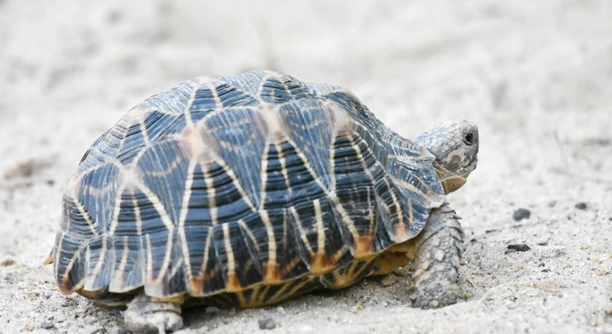
Finding the best flooring for an Indian Star Tortoise enclosure can make a big difference in your pet’s comfort and health. Choosing the right material is important for maintaining proper humidity levels and ensuring your tortoise can move around safely.
The ideal flooring for an Indian Star Tortoise should mimic their natural environment, be easy to clean, and support their health. Substrate options like coconut coir, organic topsoil, and reptile carpet are all suitable choices for these tortoises.
Choosing the right flooring will keep your tortoise comfortable and help create a habitat that’s safe and easy to maintain.
Why Proper Flooring Matters for Indian Star Tortoises
Choosing the right flooring for your Indian Star Tortoise is key to creating a comfortable and functional enclosure. Not only does it affect their movement, but the flooring also influences humidity levels, making it easier to regulate their environment. With a proper substrate, you can maintain cleanliness and ensure your tortoise has a safe place to roam. Flooring materials that mimic their natural habitat are essential for their well-being and will help prevent stress.
Selecting flooring isn’t just about appearance; it’s about functionality. You want a material that’s easy to clean, doesn’t retain too much moisture, and won’t be harmful to your tortoise if ingested. Some substrates are better at holding moisture and providing warmth, while others are more breathable. Choose what works best for your specific environment and climate, as well as the needs of your tortoise.
The ideal flooring for your Indian Star Tortoise enclosure should promote natural behaviors like burrowing or walking. Materials like coconut coir or reptile carpet work well, providing a surface that’s easy on their legs while keeping your enclosure clean. These options are widely available, easy to maintain, and safe for your tortoise.
Coconut Coir: A Top Choice for Tortoise Flooring
Coconut coir is an excellent flooring choice for Indian Star Tortoises. It holds moisture well and helps maintain the right humidity levels inside the enclosure.
It’s a safe, natural option that allows your tortoise to move around comfortably. Coconut coir also provides an easy-to-clean surface, making it ideal for keeping your enclosure tidy. Its texture mimics the environment they would encounter in the wild, helping to create a natural habitat. Furthermore, it’s affordable and available in most pet stores.
When using coconut coir, ensure that it is from a reliable source to avoid any chemical treatments that may harm your tortoise. Over time, coconut coir may need to be replaced, but with proper maintenance, it can last for months.
Reptile Carpet for Tortoise Enclosures
Reptile carpet is a popular choice due to its durability and ease of maintenance. It provides a soft surface for tortoises to walk on without causing injury.
Reptile carpet can be easily removed and cleaned, ensuring your tortoise’s enclosure stays sanitary. However, it’s essential to ensure the carpet is made from non-toxic materials to avoid any harm if ingested. This type of flooring helps maintain stable humidity levels while offering a reliable option for those who prefer a reusable, eco-friendly alternative to disposable substrates.
While reptile carpet can be convenient, it might not provide as much natural enrichment as other substrates. It doesn’t offer the same texture for burrowing, which some tortoises prefer. However, it’s still a solid choice for creating a clean, safe environment. Just be mindful of its durability over time, as it can wear out with heavy use.
Organic Topsoil for a Natural Habitat
Organic topsoil offers a more natural feel for your tortoise’s enclosure. It’s a great substrate for those wanting to mimic their tortoise’s natural environment.
This material is rich in nutrients, which can be beneficial for your tortoise’s health, as long as it is kept clean and free from pesticides. Organic topsoil is also easy to maintain, as it can be sifted and replenished regularly. The natural texture encourages burrowing and helps to retain moisture, which is crucial for tortoises, especially in drier environments. It’s a fantastic choice for those aiming to recreate a more authentic habitat.
One downside is that organic topsoil can become messy, especially if your tortoise likes to dig. It may require frequent cleaning and replacement to keep it fresh and sanitary. However, the benefits of providing a more natural environment can outweigh the extra work for many tortoise owners.
Sand as Flooring for Tortoise Enclosures
Sand can be a suitable option if used correctly. It allows your tortoise to engage in natural digging behaviors and provides a surface similar to what they might encounter in the wild.
However, using sand requires extra care. If ingested in large quantities, it can lead to digestive issues. It’s essential to keep the sand clean and ensure it’s free of contaminants. Fine sand is typically better, as coarse sand can be abrasive and cause irritation.
Wood Chips or Shavings for Flooring
Wood chips or shavings are not the best option for Indian Star Tortoises, but they can be used in certain cases.
These materials are absorbent and can help with moisture control. However, some types of wood, like cedar, can release harmful oils. Always choose safe, non-toxic options like aspen shavings. Regular cleaning is needed to keep the enclosure free from waste and moisture buildup.
FAQ
What is the best flooring for an Indian Star Tortoise?
The best flooring for an Indian Star Tortoise is a substrate that mimics their natural habitat and provides safety and comfort. Coconut coir and organic topsoil are popular choices because they hold moisture well, are easy to clean, and allow for natural behaviors like burrowing. Reptile carpet is also a good option, as it’s durable and easy to maintain. It’s important to avoid substrates that could harm your tortoise, such as those with harmful chemicals or particles that can be ingested.
Can I use sand in my tortoise enclosure?
Yes, sand can be used, but it must be fine and free from harmful contaminants. Sand allows tortoises to dig and engage in natural behaviors. However, if they ingest large amounts, it could cause digestive issues. Regular cleaning is also essential to prevent buildup of waste. Some tortoise owners opt for a sand and soil mix to reduce risks, but it’s important to observe your tortoise and monitor for any signs of discomfort or illness.
Is reptile carpet safe for tortoises?
Reptile carpet is generally safe for tortoises, as long as it’s made from non-toxic materials. It offers a soft surface for your tortoise to walk on, and it’s easy to remove and clean. However, it doesn’t provide the same natural digging or burrowing opportunities as other substrates like soil or coconut coir. Over time, reptile carpet can wear out, so it’s essential to inspect it regularly and replace it when necessary.
What kind of soil is best for tortoises?
Organic topsoil is the best type of soil for tortoises. It mimics their natural environment and provides an excellent substrate for burrowing. Ensure the soil is free from pesticides and chemicals, as these can be harmful. You may need to sift the soil regularly to remove waste and prevent it from becoming too compacted. Additionally, it’s important to monitor humidity levels, as soil can sometimes retain moisture, which is beneficial but requires proper ventilation to avoid mold growth.
Can I mix different substrates for my tortoise?
Yes, mixing substrates is a common practice and can be beneficial. For example, a combination of coconut coir and organic topsoil works well for many tortoise species. This blend can provide the moisture retention of coir with the natural feel of soil. However, make sure that the mixture does not become too wet or compacted. Always aim to create a balance that allows for proper ventilation while maintaining the right humidity levels.
How often should I change the flooring in my tortoise enclosure?
The frequency of changing the flooring depends on the substrate used. For coconut coir or organic topsoil, it’s generally recommended to replace or refresh the substrate every 1-2 months to maintain cleanliness and prevent mold buildup. Reptile carpet can be washed and reused, but it should be checked regularly for wear and tear. If using sand, it should be replaced more often due to the risk of ingestion and to maintain cleanliness.
Is it okay to use wood shavings for my tortoise?
Wood shavings can be used, but they come with some risks. Cedar and pine shavings should be avoided, as they contain oils that can be toxic to tortoises. Aspen shavings, however, are a safer choice. While wood shavings are absorbent and can help control moisture, they don’t allow for digging or burrowing like other substrates. Additionally, they need frequent cleaning to prevent waste buildup.
How do I prevent my tortoise from ingesting substrate?
Preventing substrate ingestion starts with choosing safe materials. Avoid substrates that could be harmful if ingested, such as large rocks or sharp particles. Providing a variety of food and water options in your tortoise’s enclosure can help discourage them from eating their substrate. Additionally, offering a separate feeding area outside of the main substrate can help minimize the risk. Keep an eye on your tortoise and make sure they’re not developing unhealthy behaviors related to eating the flooring material.
Can I use artificial turf for my tortoise enclosure?
Artificial turf is another flooring option, but it has some drawbacks. While it’s easy to clean, it doesn’t provide the natural feel that coconut coir or soil offers. It also doesn’t allow for burrowing, which is a natural behavior for tortoises. If you choose to use artificial turf, make sure it’s made from non-toxic materials and that your tortoise doesn’t chew on it. It’s important to thoroughly clean the turf to prevent bacteria or mold buildup, as it can become a breeding ground for germs.
How do I maintain the right humidity level in the enclosure?
Maintaining proper humidity levels is crucial for the health of your Indian Star Tortoise. If you’re using soil or coconut coir, these materials will help retain moisture. You can increase humidity by lightly misting the enclosure or using a humidity gauge to monitor the levels. Avoid over-wetting the substrate, as excessive moisture can lead to mold growth. Proper ventilation is also essential, as it prevents the enclosure from becoming too damp, which could harm your tortoise’s health.
Final Thoughts
Choosing the right flooring for your Indian Star Tortoise is an important decision that affects both their comfort and health. There are various options available, each with its own set of benefits and drawbacks. Coconut coir and organic topsoil are often preferred due to their natural feel and moisture retention, which help create a more natural environment. These substrates also allow your tortoise to engage in behaviors like digging and burrowing, which are essential for their well-being. However, you must ensure that the material you select is free of harmful chemicals, and it’s important to regularly check the enclosure for any potential health risks, such as mold or bacteria buildup.
While sand can be used, it requires caution. Sand is fine for some tortoises, but if ingested in large quantities, it can lead to digestive issues. It’s essential to monitor your tortoise closely and keep the sand clean. A sand-soil mix might offer a good balance, combining the benefits of both. Wood shavings are less commonly used, as they don’t offer the same natural habitat feel as coir or soil. Some wood types, like cedar and pine, can be toxic, so it’s best to avoid them. If you choose wood shavings, make sure they are safe and free of harmful oils.
Ultimately, the choice of flooring should be based on the specific needs of your tortoise and the ease of maintenance for you. A proper balance between comfort, safety, and hygiene is key. Keep the enclosure clean, monitor your tortoise’s behavior, and ensure they have access to the proper humidity levels. By selecting the right flooring, you’ll help provide a safe and enriching environment for your Indian Star Tortoise to thrive.

Hello,
If you enjoy the content that we create, please consider saying a "Thank You!" by leaving a tip.
Every little bit helps us continue crafting quality advice that supports the health, happiness, and well-being of pets around the world, for pets of all shapes, sizes, and species.
We really appreciate the kindness and support that you show us!