
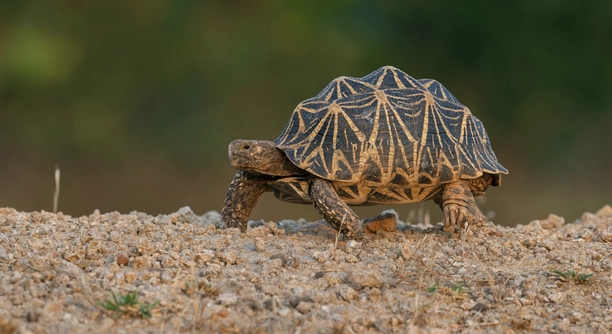
Indian star tortoises are fascinating creatures, but misconceptions about them are widespread. Many of these myths can lead to confusion, especially for potential pet owners or those interested in these reptiles. Let’s clear up some of these misunderstandings.
Indian star tortoises are often misunderstood in terms of their care, habitat, and behavior. These tortoises require specific environmental conditions to thrive, and common misconceptions can lead to improper care that negatively affects their health.
By understanding the truth about these turtles, you’ll ensure their well-being and avoid some common pitfalls. Let’s address the most frequent myths surrounding them.
Misconception 1: Indian Star Tortoises Can Live in Any Type of Environment
Indian star tortoises are often believed to be adaptable to any environment. This is far from true. These reptiles come from dry, arid regions and need specific conditions to stay healthy. Without the proper temperature, humidity, and space, they can suffer from stress, poor digestion, and other health issues. They need a warm climate with plenty of sunlight to thrive. Providing the wrong environment can quickly affect their well-being.
It’s crucial to replicate their natural habitat as much as possible. A spacious enclosure with access to both warm and cooler areas, along with UVB lighting for proper calcium absorption, is essential. Regular temperature checks will ensure they’re comfortable.
In addition to temperature control, humidity plays a key role. Indian star tortoises require a moderate level of humidity to maintain hydration and respiratory health. You should monitor the humidity levels in their enclosure to prevent dehydration and other complications that can arise from improper care.
Misconception 2: Indian Star Tortoises Are Low Maintenance Pets
Some people think Indian star tortoises are easy to care for. While they don’t need daily attention, they still require a consistent routine for their care. A simple feeding schedule, proper habitat maintenance, and health monitoring are all necessary. They also need regular baths to stay hydrated.
Though they are less demanding than some other pets, their long lifespan means you need to commit to their care for decades. It’s important to understand that they thrive in specific conditions, and neglecting these can lead to serious health issues, such as shell deformities or respiratory infections. Make sure to research their needs fully before committing to ownership.
Their diet also plays a major role in their health. Providing a varied selection of plants, weeds, and vegetables is key to their well-being. A balanced diet helps prevent obesity and other health problems that arise from poor nutrition.
Misconception 3: Indian Star Tortoises Are Easily Tamed
Indian star tortoises are often thought to be easily tamed and will bond with their owners like other pets. This isn’t the case. While they are not aggressive, they don’t seek out interaction with humans. They tend to be more solitary and prefer being left alone, especially in the early stages of their lives.
They don’t typically enjoy being handled, and forcing them into such situations can cause stress. In fact, too much handling can lead to health issues such as dehydration or shell damage. It’s important to respect their need for space and allow them to explore their environment on their own terms.
Although they won’t form emotional bonds like dogs or cats, Indian star tortoises can become accustomed to their caretakers over time. With patience, they will tolerate human presence without displaying signs of stress or fear. However, bonding should never be the primary goal.
Misconception 4: Indian Star Tortoises Eat Just Anything
A common belief is that Indian star tortoises will eat any plant material available to them. This is not true, as their diet requires careful selection. While they are herbivores, they need a balanced diet of weeds, grasses, flowers, and certain vegetables. Not all plants are safe for them to eat.
Feeding them inappropriate food like high-calcium or high-protein plants can lead to health issues, such as shell deformities or kidney problems. For example, feeding them too much spinach or high-oxalate vegetables can interfere with calcium absorption and cause internal issues. Stick to safe, natural foods like dandelion greens, hibiscus flowers, and grasses.
Additionally, Indian star tortoises need variety in their diet to ensure they get the full range of nutrients. It’s important to offer a selection of plants to mimic what they would eat in the wild. A diet rich in fiber is key to proper digestion.
Misconception 5: Indian Star Tortoises Can Thrive in Small Enclosures
Many believe that Indian star tortoises can live in small enclosures. In reality, they need a lot of space to move around and stay healthy. A cramped environment can cause stress and hinder their growth. They require a large, secure space to roam, explore, and exercise.
Providing an appropriately sized enclosure ensures they stay active and engaged. A larger area also helps with temperature regulation, offering both warm and cool zones. Without enough space, their behavior may become restricted, leading to health and behavioral issues that can shorten their lifespan.
Misconception 6: Indian Star Tortoises Are Not Affected by Stress
Stress is often underestimated when it comes to Indian star tortoises. These reptiles are highly sensitive to changes in their environment, and even slight stressors can have a significant impact on their health. Excessive handling, loud noises, or a crowded environment can make them anxious.
Stress weakens their immune system and can lead to various health issues, including shell problems and reduced appetite. They may also become more susceptible to infections. Creating a peaceful environment with minimal disturbance helps reduce stress levels and ensures they remain healthy and comfortable in their habitat.
Misconception 7: Indian Star Tortoises Can Live Without UVB Lighting
UVB lighting is a must for Indian star tortoises, despite the misconception that they can do without it. UVB rays are essential for synthesizing vitamin D3, which is necessary for calcium absorption. Without proper UVB exposure, they may develop metabolic bone disease or suffer from calcium deficiencies.
FAQ
Can Indian star tortoises live in a terrarium?
Indian star tortoises can live in a terrarium, but it must be spacious enough to mimic their natural environment. A small terrarium won’t allow them to move freely or regulate temperature efficiently. A large, well-equipped enclosure is crucial, with areas to bask under heat lamps and a cooler area to retreat to. The terrarium should be properly ventilated and have a secure lid to prevent escape. Proper UVB lighting and humidity control are also necessary to keep them healthy.
How often should I feed my Indian star tortoise?
Feed your Indian star tortoise every other day, offering a variety of fresh vegetables, flowers, and grasses. They typically eat once a day in the wild but can be fed every other day in captivity to avoid overfeeding. Their diet should consist mainly of fibrous plants and be low in protein. Fresh water should always be available, and you may need to soak them occasionally to ensure they stay hydrated. Offer a variety to provide the essential nutrients they need for good health.
Do Indian star tortoises need a companion?
Indian star tortoises do not require companions. While they are not solitary by nature, they are fine living alone. Unlike some species of tortoises, they do not form strong social bonds and can live comfortably without the company of others. In fact, placing two tortoises together can lead to aggression or territorial behavior. It’s best to provide one tortoise with plenty of space and proper care to thrive.
What temperature should I keep my Indian star tortoise’s enclosure?
The temperature inside an Indian star tortoise’s enclosure should range from 85-90°F during the day. They need a basking area with a heat lamp to reach 95°F. A cooler area of about 75°F is necessary for temperature regulation. At night, the temperature can drop slightly, but it should never fall below 70°F. It’s important to monitor temperatures carefully, as consistent warmth is vital for their digestion and overall health.
Can Indian star tortoises hibernate?
Indian star tortoises do not hibernate in the traditional sense. They do experience a period of inactivity during the cooler months, but this is different from true hibernation. During this time, their metabolic rate slows down, and they may eat less. However, they should never be allowed to fully enter a hibernation state like other species of tortoises. Cooling their environment for a short time to mimic seasonal changes is fine, but they should not be deprived of food or warmth for extended periods.
How do I know if my Indian star tortoise is sick?
Look for signs of illness such as a lack of appetite, lethargy, or difficulty walking. Respiratory issues, like wheezing or discharge from the nose, are common signs of respiratory infections. Shell deformities, soft or swollen areas on the shell, and abnormal growth can indicate malnutrition or poor care. If you notice these symptoms, it’s important to consult a veterinarian experienced with reptiles. Regular health check-ups are also recommended to ensure they remain in optimal condition.
Can I handle my Indian star tortoise?
While Indian star tortoises are not aggressive, they do not particularly enjoy being handled frequently. Overhandling can stress them out, leading to health issues. It’s best to handle them minimally and gently, allowing them to roam freely in their enclosure. If you need to move them, do so carefully, supporting their body fully. They will tolerate brief handling but should not be forced into interactions. Respect their natural behavior and give them time to adjust to your presence.
What kind of substrate should I use for my Indian star tortoise’s enclosure?
A suitable substrate for Indian star tortoises includes a mix of coconut coir, organic topsoil, and sand. This combination allows them to dig and burrow naturally, which is important for their well-being. Avoid using pine or cedar shavings as they can be harmful. The substrate should be kept dry, with areas for humidity and water available. The right substrate promotes natural behavior and helps prevent respiratory and skin issues.
Can I take my Indian star tortoise outside?
Indian star tortoises can be taken outside, but only in safe, controlled environments. They enjoy basking in natural sunlight, which is beneficial for their health, but you should never leave them unsupervised. Make sure the outdoor area is secure, free from predators, and has shaded spots to retreat to. Be cautious of extreme temperatures, as they cannot handle cold weather. Always supervise outdoor time to avoid accidents or stress.
How long do Indian star tortoises live?
Indian star tortoises have a long lifespan and can live for 50 years or more in captivity, provided they receive proper care. Some have been known to live up to 100 years in ideal conditions. This makes them a long-term commitment and requires dedicated attention to their diet, habitat, and overall well-being. With the right environment and care, your Indian star tortoise can remain a healthy companion for many decades.
Final Thoughts
Indian star tortoises are fascinating creatures that require careful attention and proper care to thrive in captivity. It’s important to remember that their needs go beyond just providing a food source. They need a spacious, secure enclosure with proper lighting, heating, and humidity levels to stay healthy. Their natural environment in the wild offers much more than what can be replicated in a terrarium, so mimicking these conditions as closely as possible is essential for their well-being. A healthy diet, access to clean water, and appropriate substrate are just a few of the factors that play a crucial role in their care.
When it comes to handling, these tortoises do best with minimal interaction. Though they are not aggressive, too much handling can cause stress, which can lead to health problems. Understanding their need for space and allowing them to roam freely within a properly set-up enclosure will help them feel comfortable. Additionally, it’s essential to watch for signs of illness, such as changes in eating habits or behavior. A veterinarian specializing in reptiles should be consulted at the first sign of trouble, as early detection and treatment can prevent more serious issues.
Finally, it’s important to understand that owning an Indian star tortoise is a long-term commitment. With a lifespan that can reach 50 years or more, they rely on you for their care throughout their lives. Ensuring they have everything they need to live a full, healthy life means staying informed and committed to their needs. By providing a well-maintained habitat, proper diet, and regular care, you can enjoy having this beautiful tortoise as a companion for many years to come.

Hello,
If you enjoy the content that we create, please consider saying a "Thank You!" by leaving a tip.
Every little bit helps us continue crafting quality advice that supports the health, happiness, and well-being of pets around the world, for pets of all shapes, sizes, and species.
We really appreciate the kindness and support that you show us!