
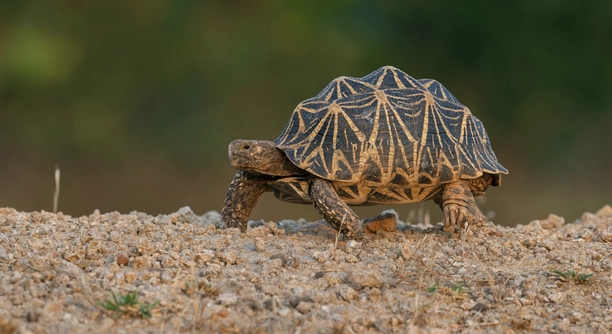
Your Indian star tortoise might sometimes seem uninterested in its food, leaving you puzzled. Understanding the reasons behind this behavior can help you ensure your pet’s well-being and restore their healthy eating habits.
One common reason your Indian star tortoise may avoid its food bowl is due to environmental stress, improper temperature, or an unbalanced diet. These factors can affect their appetite and cause them to lose interest in eating.
The next steps are crucial for addressing the issue and ensuring your tortoise gets back on track with its feeding habits.
Temperature and Humidity
Your tortoise’s environment plays a major role in its eating habits. If the temperature in their enclosure is too low or too high, it can lead to a loss of appetite. Indian star tortoises need a specific temperature range to stay active and healthy. If the enclosure is too cold, your tortoise may go into brumation, a hibernation-like state, which could reduce its desire to eat. Similarly, if the area is too hot, your tortoise might become stressed, leading to decreased food intake. Keeping their habitat at the right temperature, around 75-85°F, is essential to maintain a healthy feeding routine.
Sometimes, humidity levels can also cause discomfort, affecting your tortoise’s appetite. Ensure the humidity level in their habitat is around 50-70%. Low humidity can cause dehydration, making your tortoise less inclined to eat. On the other hand, excessive humidity can lead to respiratory issues. Finding the right balance is key for encouraging a healthy appetite.
Maintaining proper temperature and humidity levels ensures your tortoise remains active and engaged with its food. Keep a thermometer and hygrometer in the enclosure to monitor these conditions closely.
Diet and Feeding Habits
An unbalanced diet may also cause your tortoise to avoid its food bowl. If the food offered isn’t meeting its nutritional needs, your tortoise might refuse to eat. Indian star tortoises thrive on a varied diet of leafy greens, grasses, and some fruits. A lack of fiber or offering too many high-calcium foods can disrupt their digestive system and lead to a loss of appetite. It’s essential to offer them a variety of foods to mimic their natural diet, providing a range of nutrients they need to stay healthy.
Avoid offering too much fruit, as it can lead to obesity and cause digestive problems, making your tortoise less inclined to eat. Stick to a mix of leafy greens, such as dandelion greens, kale, and collard greens. Offering fresh, clean food daily encourages healthy feeding behavior. If you’re unsure about what your tortoise prefers, try offering different types of greens and observe its response.
Having the right food in your tortoise’s diet will ensure they’re getting all the nutrients they need. Make sure to consult with a reptile expert or veterinarian to customize the feeding plan based on your tortoise’s age and health.
Stress and Anxiety
Stress can be a significant factor in your tortoise’s refusal to eat. Moving to a new home, loud noises, or too much handling can make them feel unsafe, which affects their appetite. It’s important to create a calm and secure environment for your tortoise. Try to minimize any sudden changes or disturbances around their enclosure. A quiet, stable environment will help your tortoise feel safe and more likely to return to normal eating habits.
Changes in the routine, such as sudden changes in lighting, temperature, or even feeding time, can stress your tortoise. They rely on consistency and may stop eating if they feel their surroundings are unstable. Avoid overhandling or moving the enclosure too often. It’s also important to offer food at regular intervals so your tortoise gets used to a feeding schedule. This predictability will encourage your tortoise to feel comfortable and more likely to eat.
If your tortoise continues to refuse food after stress-inducing events, give them time to recover. Consider reducing disturbances and offering them a peaceful space to rest. Keeping their environment steady can help ease anxiety.
Health Problems
Health problems might be a reason for your tortoise’s food refusal. If your tortoise isn’t eating, it could be suffering from a condition like a respiratory infection, parasites, or a shell injury. A sudden change in eating habits is often one of the first signs of illness. Pay close attention to other symptoms, such as lethargy, nasal discharge, or abnormal behavior, as these can point to health issues that need attention.
If you’re concerned about your tortoise’s health, it’s best to consult a vet who specializes in reptiles. They can identify the underlying issue and offer the necessary treatment. Early diagnosis is key in preventing long-term health complications. Sometimes, dehydration or impaction can also cause your tortoise to stop eating, so make sure to keep their water bowl clean and accessible at all times. If they have trouble passing waste, it’s important to seek medical advice.
Regular check-ups and proper care can help prevent health issues from becoming a problem. Taking your tortoise to the vet can ensure any health concerns are addressed early on.
Feeding Bowl and Food Presentation
The way food is presented can impact your tortoise’s interest in eating. If the food bowl is too deep or difficult for your tortoise to reach, it might avoid it. Ensure that the food is easily accessible and at the right level for your tortoise to eat comfortably.
You can try offering food on a flat surface or shallow dish to make it more inviting. Additionally, placing food in a clean bowl can help prevent your tortoise from associating the bowl with previous uneaten food. Small adjustments like these can make a difference in whether your tortoise eats or not.
Food Freshness
Your tortoise may refuse food if it’s not fresh. If the greens or other foods have wilted or spoiled, your tortoise will likely avoid them. Ensure that the food offered is fresh and free from any signs of decay.
It’s important to remove any uneaten food after a few hours to avoid attracting pests or causing bacterial growth. Fresh food not only encourages your tortoise to eat but also supports its health by providing proper nutrition. Make it a habit to offer freshly prepared meals every time.
Overfeeding
Overfeeding can lead to a loss of appetite in your tortoise. If they’re fed too much at once or too often, they may not feel hungry. Stick to a regular feeding schedule and provide the right portion size for your tortoise’s size and age.
Overfeeding can also cause obesity, leading to other health problems. Keeping portions balanced ensures your tortoise remains healthy and hungry at mealtime. It’s better to underfeed slightly than to overfeed. Always monitor your tortoise’s weight and adjust the food accordingly.
FAQ
Why isn’t my Indian Star Tortoise eating?
There are several potential reasons your tortoise may not be eating. Temperature and humidity imbalances, stress, health issues, or an unbalanced diet can all contribute to a loss of appetite. It’s essential to evaluate your tortoise’s environment and ensure that it is both comfortable and safe. If environmental factors seem fine, check for signs of illness, such as lethargy, abnormal behavior, or discharge. If these issues persist, consulting a reptile vet is the best course of action.
How can I tell if my tortoise is stressed?
Stress in tortoises can be identified by several behaviors. Common signs include hiding, avoiding food, staying in one spot for long periods, or being overly aggressive. Stress can be caused by changes in the environment, loud noises, or excessive handling. If your tortoise shows these signs, creating a quiet, safe environment may help alleviate the stress. Reducing disturbances and maintaining a consistent routine is also key to helping them feel secure.
Can my tortoise’s diet affect its eating habits?
Yes, diet plays a significant role in your tortoise’s eating habits. An unbalanced diet can cause digestive problems, leading to loss of appetite. Indian star tortoises require a mix of leafy greens, grasses, and occasional fruits. Offering too many high-calcium foods or overly ripe fruits can disrupt their digestion. Make sure the food is varied, fresh, and suitable for their age and size. Keeping a proper diet will encourage healthy eating habits and maintain your tortoise’s overall well-being.
Is it normal for my tortoise to stop eating during the winter?
It’s normal for some tortoises, especially those that undergo brumation (a form of hibernation), to reduce their food intake during the colder months. Indian star tortoises, while not true hibernators, may eat less in the winter due to lower temperatures. However, if your tortoise is refusing food for extended periods, or showing signs of illness, consult a vet to ensure everything is fine.
Should I hand-feed my tortoise to encourage eating?
Hand-feeding can sometimes encourage a tortoise to eat, especially if it has developed an aversion to its food bowl. However, it should not be a regular habit, as tortoises should learn to eat on their own. You can try hand-feeding for a short time, but focus on making their environment more comfortable and their food more accessible to encourage them to feed independently.
What should I do if my tortoise isn’t eating for a few days?
If your tortoise refuses to eat for just a couple of days but seems otherwise healthy, it may just be a temporary issue. Check the temperature, humidity, and diet to make sure they’re optimal. However, if the refusal lasts longer or your tortoise shows signs of illness, it’s crucial to consult a veterinarian who can diagnose any underlying issues and recommend treatment.
Can parasites cause my tortoise to stop eating?
Yes, parasites can affect your tortoise’s appetite. Parasites, such as internal worms or gastrointestinal infections, can lead to discomfort and loss of appetite. If your tortoise shows symptoms like diarrhea, bloating, or lethargy along with refusing food, it’s essential to consult a vet for a stool sample check. Proper treatment will help your tortoise return to its regular eating habits.
What are the signs that my tortoise is dehydrated?
Signs of dehydration in tortoises include dry or wrinkled skin, sunken eyes, and reduced activity levels. If your tortoise isn’t drinking water or eating moist foods like leafy greens, it may be dehydrated. Make sure to provide fresh, clean water at all times, and soak your tortoise in shallow water for 15-20 minutes a few times a week to help prevent dehydration.
How often should I feed my Indian Star Tortoise?
Indian star tortoises should typically be fed once a day, although younger tortoises may require more frequent feedings. Offer fresh, varied foods like leafy greens daily, and avoid overfeeding fruits or other high-calcium foods. Adjust the portion size based on your tortoise’s size and age. Always remove uneaten food after a few hours to prevent spoilage.
Can I feed my tortoise the same food every day?
Feeding your tortoise the same food every day is not ideal. A varied diet helps provide a balanced intake of nutrients. Rotate different types of greens and grasses to mimic a natural diet. Adding occasional fruits like melon or berries is fine, but they should not make up the majority of the diet. Variety is key to your tortoise’s health and appetite.
How can I make my tortoise’s food more appealing?
Making food more appealing can involve presentation, variety, and freshness. Try chopping the food into smaller pieces or offering it on a shallow dish. You can also mist the food lightly with water to enhance its smell and texture. Introducing new foods or mixing them up can keep your tortoise interested in eating.
Final Thoughts
Understanding why your Indian Star Tortoise is avoiding its food bowl can be frustrating, but it’s important to remember that there are many factors at play. Sometimes, it could be something as simple as the temperature or humidity not being ideal. Other times, it may be due to stress, illness, or even an unbalanced diet. By paying attention to the environment, food presentation, and overall care, you can help your tortoise get back on track. Addressing these issues early on can prevent more serious problems from arising and ensure your tortoise stays healthy.
If your tortoise continues to avoid food despite addressing the common causes, it may be time to consult a vet. A professional can help identify any underlying health issues that could be affecting your tortoise’s appetite. Tortoises are good at hiding their discomfort, so it’s important to stay vigilant and seek help if you notice any concerning signs. Regular check-ups can help catch problems before they become too serious and ensure that your tortoise is thriving in its environment.
In the end, patience and consistency are key. While it can be stressful to see your tortoise avoid its food bowl, many times, a few simple adjustments can make all the difference. Whether it’s improving the environment, offering fresher food, or changing feeding habits, small changes can encourage your tortoise to start eating again. Keep monitoring their behavior and diet, and with time, your tortoise will likely regain its appetite and continue to thrive.

Hello,
If you enjoy the content that we create, please consider saying a "Thank You!" by leaving a tip.
Every little bit helps us continue crafting quality advice that supports the health, happiness, and well-being of pets around the world, for pets of all shapes, sizes, and species.
We really appreciate the kindness and support that you show us!