
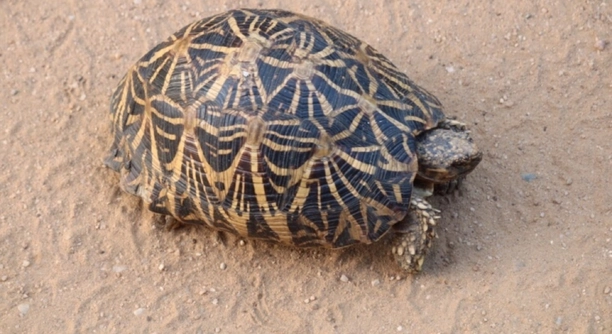
Indian Star Tortoises are known for their striking appearance and gentle nature. As reptile enthusiasts consider keeping them, many wonder about their compatibility with other reptiles in shared spaces.
Indian Star Tortoises can coexist with certain reptiles if the environment is carefully managed. They require ample space, proper temperature, and similar habitat conditions. Caution is needed to prevent territorial behavior and ensure no species poses a threat to another.
A thoughtful approach to setting up their environment ensures a harmonious space for different reptiles.
What Makes Indian Star Tortoises Unique?
Indian Star Tortoises are distinguished by their beautiful shell patterns, resembling star-shaped designs. These tortoises are native to India and Sri Lanka, thriving in dry, open areas with little vegetation. They are herbivores, mainly feeding on grasses, fruits, and flowers. Their slow, deliberate movements and peaceful nature make them a popular choice for reptile keepers. The star-shaped pattern on their shells is not just aesthetic; it serves as camouflage in their natural habitat, helping them blend into their surroundings. These tortoises can live up to 50 years or more in the right conditions, making them a long-term commitment.
The size and temperament of Indian Star Tortoises vary, with some individuals growing up to 12 inches long. While they are generally docile, their need for space and privacy is essential for their well-being. They are often solitary animals, preferring to spend time alone rather than interact with others.
If you plan to keep one, understanding their specific needs and lifestyle is important to ensure they thrive. This includes the right climate, diet, and space to roam freely.
Can Indian Star Tortoises Share a Habitat with Other Reptiles?
While Indian Star Tortoises can live with other reptiles, the key is choosing compatible species.
Housing different reptiles together comes with certain challenges. Some reptiles may be more aggressive or territorial, which could cause stress for your tortoise. Species with similar environmental and dietary needs can coexist peacefully. For example, turtles, other tortoises, or non-aggressive lizards might be appropriate companions. The most important factor is to avoid mixing species with different temperature or humidity requirements. Territorial disputes are also possible, as some reptiles prefer space to themselves. Even non-aggressive species may struggle if they feel crowded or threatened. Therefore, it is vital to ensure that the habitat allows for individual territories.
Before introducing any new reptiles, consider the individual behaviors and natural habitats of each species. A large, well-planned enclosure with plenty of hiding spots can reduce stress and help your tortoise feel more at ease. Keeping the enclosure clean and monitoring interactions closely will also prevent issues.
Space and Habitat Needs
Indian Star Tortoises need plenty of space to roam. An overcrowded environment can lead to stress and aggression.
A large, well-ventilated enclosure is essential for them to move around comfortably. A 4×6 foot enclosure is typically recommended for one adult tortoise. The enclosure should mimic their natural habitat with areas for basking, hiding, and foraging. Providing a substrate like sand or soil will help them burrow, which is important for their comfort. Adding rocks and logs also creates opportunities for climbing and exploration. Ensuring proper lighting and temperature is crucial for their health.
Temperature gradients within the enclosure allow the tortoise to regulate its body heat. A basking spot should reach around 95°F, while the cooler side should be around 75°F. Maintaining humidity levels between 50-70% will also prevent dehydration. A shallow water dish should always be available for drinking and soaking. These elements combined offer a balanced environment.
Diet and Feeding Practices
Indian Star Tortoises are herbivores and need a diet that closely matches their natural food sources. A variety of grasses, leaves, and fruits is ideal.
Their diet should consist mainly of fibrous plants, like dandelion greens, clover, and grass hay. Occasionally, fruits like papaya, melon, and berries can be offered. Avoid feeding them high-protein foods or excessive amounts of fruit, as it can lead to digestive problems. The key is to ensure variety while keeping it low in protein and rich in fiber. They also benefit from calcium supplements, which are necessary for healthy shell growth.
Fresh water should always be available. Offer water regularly, as it helps with hydration and digestion. In the wild, Indian Star Tortoises consume water from dew, so providing a shallow dish of water for them to soak in will keep them hydrated and clean. Proper hydration also helps prevent kidney problems and ensures they maintain healthy skin.
Temperature and Lighting Requirements
Indian Star Tortoises require a proper temperature gradient for healthy digestion and activity.
Provide a basking area with a heat source that reaches 95°F. The cooler side of the enclosure should be around 75°F to 80°F, allowing the tortoise to regulate its body temperature. Proper lighting is essential, as it mimics the natural sun exposure they would get outdoors. UVB lighting helps with calcium absorption and shell growth. This light should be provided for 10-12 hours each day to maintain a natural day-night cycle. Without proper lighting, your tortoise may develop health issues like metabolic bone disease.
Handling and Interaction
While Indian Star Tortoises are generally calm, they do not seek much interaction with humans.
Handling should be limited to prevent stress. Over-handling can cause anxiety and may lead to a decrease in appetite and overall health. It’s important to let them roam freely in their enclosure without excessive interference. If handling is necessary, be gentle and ensure they feel secure. A tortoise’s natural behavior is to stay low and protected, so avoid disturbing them during resting times. Providing a stress-free environment will allow them to feel safe and thrive.
Compatibility with Other Reptiles
Indian Star Tortoises can share space with other reptiles if the species have similar needs.
It’s essential to pair them with reptiles that have similar habitat requirements, such as temperature, humidity, and diet. Avoid species that are overly territorial or aggressive, as they may pose a threat to your tortoise. Additionally, be sure to provide ample space for each reptile to establish their own territory. Close monitoring is necessary when introducing new reptiles into the enclosure to ensure peaceful coexistence. If territorial disputes arise, separate the animals immediately.
FAQ
Can Indian Star Tortoises live with other reptiles?
Indian Star Tortoises can share a habitat with other reptiles if the species have similar environmental needs. Species such as other tortoises, non-aggressive lizards, or some species of turtles may be compatible. However, it’s important to monitor their interactions closely, as even peaceful reptiles can become territorial in confined spaces. Each reptile should have enough space, hiding spots, and resources to avoid competition. Be cautious with aggressive reptiles, as they may cause stress or harm to your tortoise. Always ensure that temperature, humidity, and lighting requirements are matched to reduce stress.
What temperature is best for an Indian Star Tortoise?
Indian Star Tortoises need a temperature gradient in their enclosure. A basking spot should be around 95°F, while the cooler side should range from 75°F to 80°F. This gradient allows the tortoise to regulate its body temperature, which is essential for digestion and overall health. During the night, the temperature can drop to around 70°F, but it should not fall below that to prevent stress or cold-related health issues. Consistently monitoring and adjusting the temperatures is vital to keeping your tortoise healthy and active.
What should I feed my Indian Star Tortoise?
Indian Star Tortoises are herbivores and thrive on a diet of leafy greens, grasses, and flowers. Common choices include dandelion greens, clover, and various types of grass hay. You can also offer fruits like papaya, melon, or berries in moderation, as too much fruit can cause digestive problems. Calcium-rich foods, such as collard greens and mustard greens, are essential for shell health. To maintain a balanced diet, avoid feeding them high-protein foods, like meat or dog food, as they can lead to kidney problems. Providing fresh, clean water is also crucial for hydration.
How much space does an Indian Star Tortoise need?
Indian Star Tortoises require ample space to move around and exercise. A minimum enclosure size of 4×6 feet is recommended for an adult tortoise. In addition to space, they need areas for basking, hiding, and foraging. A spacious enclosure mimics their natural environment and provides enough room for exploration. The habitat should have plenty of hiding spots to help them feel secure. Providing a large and varied environment helps keep your tortoise physically and mentally stimulated, which is key to their well-being.
How long can Indian Star Tortoises live?
Indian Star Tortoises have a long lifespan, with many living between 40 to 50 years, and some reaching over 100 years with proper care. Their long life expectancy makes them a significant commitment for reptile keepers. Ensuring their health throughout their life depends on a balanced diet, proper habitat, and attention to environmental needs. Regular health check-ups are also recommended to catch any issues early and provide a long, healthy life. With the right care, an Indian Star Tortoise can be a companion for generations.
Do Indian Star Tortoises need UVB lighting?
Yes, Indian Star Tortoises require UVB lighting to help them process calcium and promote healthy shell growth. UVB rays mimic natural sunlight, which is essential for tortoises in captivity, especially if they do not have access to natural sunlight. A UVB light should be provided for 10-12 hours each day to simulate the sun’s natural cycle. It’s important to replace the UVB bulb every 6 to 12 months, as its effectiveness decreases over time, even if it still appears to be working. Proper UVB lighting is crucial for their long-term health and shell development.
Can I handle my Indian Star Tortoise frequently?
Handling should be kept to a minimum to avoid stressing your Indian Star Tortoise. While they are generally calm, they are not social animals and do not seek interaction as some other pets do. Over-handling can lead to stress, loss of appetite, and even health problems. If you do need to handle your tortoise, ensure it is done gently and in a way that makes them feel secure. Letting them roam freely in their enclosure without interference is often the best way to allow them to thrive. Always respect their need for personal space.
What humidity level is best for an Indian Star Tortoise?
Indian Star Tortoises require humidity levels between 50% and 70%. Proper humidity helps with hydration, digestion, and overall health. Too much humidity can lead to respiratory issues, while too little can cause dehydration and skin shedding problems. To maintain optimal humidity, mist the enclosure regularly or use a humidifier if needed. It’s important to monitor humidity levels using a hygrometer and adjust as necessary to keep them within the ideal range. Proper humidity, along with a consistent temperature gradient, ensures your tortoise remains healthy and active.
Do Indian Star Tortoises need a special substrate?
Indian Star Tortoises benefit from a natural substrate that allows them to burrow and explore. A mix of sand and soil is commonly used, as it provides a stable surface for the tortoise to dig and feel secure. Avoid using substrates that are too fine, such as sand alone, as they can cause impaction if ingested. Other options include coconut coir or cypress mulch, which help maintain humidity levels while providing a comfortable surface for the tortoise to move around. Ensure that the substrate is kept clean and dry to prevent mold growth and bacterial infections.
Final Thoughts
Indian Star Tortoises are fascinating and relatively low-maintenance pets, but they do require specific care to thrive. Providing a well-balanced diet of greens, occasional fruits, and ensuring proper hydration is essential for their long-term health. A suitable enclosure with the correct temperature, lighting, and humidity levels creates an environment that mimics their natural habitat. By meeting these needs, you can help your tortoise live a long, healthy life.
When it comes to interactions, Indian Star Tortoises are not as social as some other reptiles, so it’s important to respect their space. While they can be handled gently, it’s best to limit interaction to avoid causing unnecessary stress. Offering plenty of hiding places and allowing them to roam freely in their enclosure encourages natural behaviors and helps them feel secure. A calm, stable environment is key to their well-being.
Overall, Indian Star Tortoises are a rewarding pet for reptile keepers willing to provide the care they need. They can live for many decades with proper attention and maintenance. With the right space, diet, and habitat conditions, they can thrive and offer years of enjoyment. Understanding their natural behaviors and needs will ensure that both the tortoise and its keeper enjoy a fulfilling experience together.

Hello,
If you enjoy the content that we create, please consider saying a "Thank You!" by leaving a tip.
Every little bit helps us continue crafting quality advice that supports the health, happiness, and well-being of pets around the world, for pets of all shapes, sizes, and species.
We really appreciate the kindness and support that you show us!