
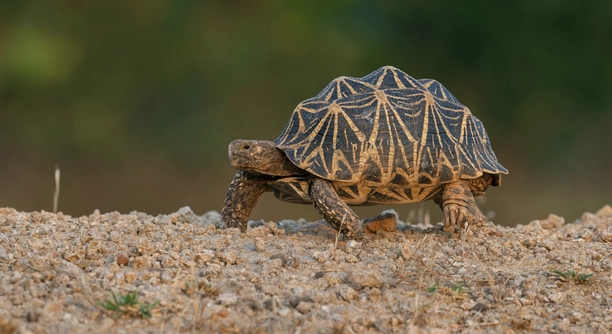
Indian Star Tortoises are fascinating creatures known for their unique patterns and behaviors. Observing their actions can sometimes raise questions, especially when you notice them yawning more frequently than expected. This behavior is worth understanding.
The primary reason your Indian Star Tortoise yawns often could be linked to factors such as relaxation, stress, or environmental changes. Yawning is a normal behavior that may also serve as a means to regulate temperature and oxygen levels.
Understanding the factors behind yawning can help you ensure your tortoise’s well-being. By paying attention to its environment and health, you can create the best conditions for a happy, healthy pet.
Why Is My Indian Star Tortoise Yawning So Much?
Yawning in Indian Star Tortoises can be due to various reasons. One possible cause is the need for oxygen. These tortoises might yawn to increase airflow and ensure proper oxygen intake. Yawning may also occur when they are adjusting to temperature changes in their environment. If the temperature fluctuates too much, it may cause them to feel slightly stressed or uncomfortable, prompting yawning as a way to regulate their body. Another factor to consider is that yawning could indicate a more relaxed state, especially after periods of activity. When they settle down, a yawn could help them relax and restore balance to their system.
Environmental conditions like humidity and lighting also play a role in your tortoise’s well-being. Improper lighting or humidity can cause discomfort, making yawning a way for them to adjust. If their habitat is not ideal, they might exhibit this behavior more often.
Understanding your Indian Star Tortoise’s needs involves maintaining the right temperature, humidity, and lighting. Offering a stable environment where these factors are balanced can prevent excessive yawning and support your tortoise’s overall health.
Other Possible Causes for Excessive Yawning
Stress is another factor that could be influencing your tortoise’s yawning. Tortoises may feel stressed due to a variety of reasons, including handling, loud noises, or other animals in their environment. Yawning can be a response to this stress, as they may need to regulate their body after feeling overwhelmed. If you notice that your tortoise yawns when being handled, it may be signaling that it is uncomfortable.
To reduce stress, make sure to create a calm, quiet space for your tortoise. Limit disturbances and handle it gently to avoid triggering stress-related yawning. Keeping your tortoise’s routine consistent and ensuring it feels safe in its enclosure will help minimize these behaviors.
Yawning and Health Concerns
While occasional yawning is normal, excessive yawning might point to underlying health issues. A respiratory infection or mouth-related problems could lead to more frequent yawns. These conditions may cause discomfort, making your tortoise more likely to yawn to regulate airflow. If yawning is coupled with other signs of illness, such as lethargy or loss of appetite, it’s crucial to consult a vet for a thorough checkup.
A veterinary examination can help determine whether there’s an infection or other health concerns affecting your tortoise. It’s essential to rule out possible diseases, especially if yawning is consistent and accompanied by other concerning symptoms. If the tortoise’s condition doesn’t improve with basic care, seeking professional help is the best option to ensure its health.
Observing Your Tortoise’s Behavior
Regularly observing your tortoise can provide insight into its overall health and behavior. Besides yawning, look for changes in its eating habits, movement, or sleeping patterns. If yawning is frequent and occurs alongside other signs of distress, these might be clues that indicate something beyond a simple adjustment to its environment. Understanding its body language is key to spotting potential problems early.
It’s also helpful to track any changes in the tortoise’s surroundings. Modifications in temperature, humidity, or light can affect its behavior. Keeping a close eye on these elements allows you to make adjustments that may reduce excessive yawning and other potential issues.
Temperature and Humidity Effects
Temperature and humidity directly affect the behavior of your Indian Star Tortoise. If the environment is too hot or too cold, yawning can occur as the tortoise attempts to adjust. It’s important to maintain a stable temperature range between 75°F and 85°F, ensuring it stays comfortable.
Ensure humidity levels are also balanced. A humidity range of 50-70% is ideal. If it’s too dry, your tortoise might struggle to breathe properly, leading to yawning. Using a humidity gauge can help monitor and adjust the environment to prevent discomfort.
Creating the Right Habitat
Your tortoise’s enclosure should mimic natural conditions as much as possible. Providing a warm basking spot and cooler areas for your tortoise to retreat to will allow it to regulate its body temperature. Proper lighting, such as UVB lights, is essential for their health, supporting metabolism and calcium absorption.
Adding items like hides or rocks can also improve the enclosure. These additions give your tortoise a sense of security and control over its environment, reducing stress and the likelihood of excessive yawning. Make sure the space is large enough for your tortoise to move around comfortably.
Yawning Due to Overexertion
Too much activity or handling can lead to yawning. If your tortoise has been more active than usual or has been disturbed by handling, it might yawn to relieve stress. Always give your tortoise time to rest and recover from any physical exertion.
FAQ
Why does my tortoise yawn a lot?
Frequent yawning in Indian Star Tortoises can happen for various reasons. It could simply be a sign that your tortoise is relaxed or adjusting to its environment. Yawning helps regulate oxygen intake and body temperature. However, if the yawning seems excessive and is accompanied by other symptoms like lethargy or loss of appetite, it may be a sign of stress or a health issue such as a respiratory infection.
How can I tell if my tortoise’s yawning is a health concern?
If your tortoise is yawning frequently and showing signs of illness such as reduced appetite, lethargy, or difficulty breathing, it’s important to investigate further. Respiratory issues or mouth infections can cause discomfort and lead to more yawning. A visit to the vet can help determine if there’s an underlying health problem.
Can temperature and humidity affect yawning in tortoises?
Yes, temperature and humidity play a significant role in the comfort of your tortoise. If the temperature is too high or low, your tortoise may yawn as it tries to regulate its body. Likewise, insufficient humidity can cause breathing difficulties, leading to yawning. Ensuring the right environment will help minimize these issues.
What temperature should my Indian Star Tortoise’s habitat be?
Indian Star Tortoises thrive in a temperature range of 75°F to 85°F. The basking area should be warmer, around 90°F, while the rest of the enclosure should be cooler to allow your tortoise to regulate its body temperature. A thermostat can help maintain these levels.
How can I reduce yawning caused by stress?
Stress can cause yawning, especially if your tortoise is disturbed by noise, handling, or environmental changes. To reduce stress, create a calm, quiet space for your tortoise. Limit handling and ensure the enclosure is large enough to allow movement and privacy. Minimizing disturbances will help your tortoise feel safe.
Is yawning normal when my tortoise is adjusting to a new environment?
Yes, it’s normal for your tortoise to yawn when settling into a new environment. The transition can be stressful, and yawning might be a response to this change. Giving your tortoise time to acclimate to its new surroundings, while ensuring the environment is optimal, will help reduce excessive yawning over time.
Could my tortoise be yawning due to overexertion?
Yes, too much physical activity can lead to yawning. If your tortoise has been more active than usual or has been handled too much, it might be yawning as a way to relax. Allow your tortoise to rest and recover, ensuring it has a calm and comfortable space to rest.
Can yawning be a sign of a respiratory infection?
Yawning, particularly if it is frequent and accompanied by other signs like nasal discharge, wheezing, or difficulty breathing, could indicate a respiratory infection. Respiratory issues in tortoises are not uncommon and can lead to yawning as they try to regulate their breathing. A vet should be consulted if you notice any of these symptoms.
How can I maintain the right humidity for my tortoise?
To maintain proper humidity, consider using a humidity gauge in your tortoise’s enclosure. The ideal range for Indian Star Tortoises is 50-70%. If the enclosure is too dry, you can increase humidity by misting the habitat or adding a humidity box with moist sphagnum moss.
What else should I consider for my tortoise’s health and comfort?
Along with proper temperature and humidity, ensure that your tortoise has access to UVB light, which is essential for its calcium absorption. A variety of food, including dark leafy greens and appropriate supplements, will support its health. Regular check-ups with a vet can also help catch any issues early.
Final Thoughts
Yawning in your Indian Star Tortoise is generally a normal behavior, but when it becomes frequent, it could signal something more. If your tortoise is yawning a lot, it’s important to observe other signs of its health, such as eating habits, activity levels, and behavior. A healthy tortoise should be active, eating regularly, and showing interest in its surroundings. If the yawning is excessive and accompanied by symptoms like lethargy or breathing problems, it’s best to consult a veterinarian for a thorough checkup. Addressing these issues early can prevent further complications.
Creating the right environment is crucial for your tortoise’s well-being. Maintaining a stable temperature and humidity level in its enclosure helps ensure it remains comfortable. The basking spot should be warm enough, while the cooler areas offer a place for your tortoise to retreat when it needs to regulate its body temperature. Providing proper lighting, including UVB, is also important for your tortoise’s metabolic health. A clean, spacious habitat allows your tortoise to move freely and reduces stress, which can help avoid excessive yawning.
Ultimately, paying attention to your tortoise’s behavior and environment is key. If yawning becomes a regular occurrence, take it as a sign to reassess its living conditions or seek professional advice. While yawning can be a natural part of its routine, it can also be an early indicator of something that requires attention. By observing, adjusting its habitat, and maintaining regular veterinary care, you can ensure that your tortoise stays happy and healthy.

Hello,
If you enjoy the content that we create, please consider saying a "Thank You!" by leaving a tip.
Every little bit helps us continue crafting quality advice that supports the health, happiness, and well-being of pets around the world, for pets of all shapes, sizes, and species.
We really appreciate the kindness and support that you show us!