
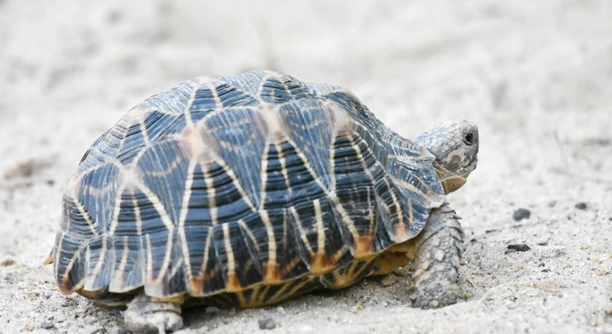
Indian star tortoises are popular pets due to their unique appearance and calm demeanor. If you’re a proud owner, you might be curious about their diet. Knowing what foods to offer is key to keeping them healthy.
Indian star tortoises can eat lettuce, but it should only be offered in moderation. Lettuce, especially the variety with high water content, lacks the nutritional value they need. A balanced diet of grasses, leafy greens, and vegetables is essential.
Choosing the right lettuce and understanding what’s best for your tortoise’s diet will help keep them strong and healthy. There are several factors to consider before serving lettuce to your pet.
Can Lettuce Be Part of Your Indian Star Tortoise’s Diet?
Lettuce is often seen as a quick and easy option for feeding pet tortoises. While it is not harmful in small amounts, it does not provide the essential nutrients they need for long-term health. Lettuce is mostly water, meaning it lacks the vitamins and minerals required for a balanced diet. Overfeeding lettuce can also lead to digestive issues or poor nutrition in your tortoise. So, while it may be tempting to add it to their meals, it’s best to limit it to an occasional treat.
However, some types of lettuce are better than others. For instance, darker leafy greens, such as romaine lettuce, offer slightly more nutrients than iceberg lettuce. Even so, they should still not be the main part of your tortoise’s diet.
Instead of relying on lettuce, focus on feeding your tortoise a variety of dark, leafy greens like dandelion greens, collard greens, and turnip greens. These options provide far more vitamins and minerals and are a much better choice for your tortoise’s health. It’s also important to introduce a variety of grasses, weeds, and flowers to maintain their well-being.
Best Lettuce Options for Your Tortoise
Romaine lettuce is considered a better option if you decide to offer lettuce to your tortoise. It contains more fiber and nutrients compared to iceberg lettuce. However, it should still be given in small portions.
When feeding your Indian star tortoise, it’s essential to make sure you mix lettuce with other greens for a well-rounded diet. Offer fresh, clean lettuce occasionally, but make sure it doesn’t become the main food source. Always prioritize high-fiber, nutrient-rich greens to maintain proper health.
Potential Risks of Feeding Lettuce
Feeding too much lettuce can cause more harm than good for your Indian star tortoise. Since lettuce has a high water content and low nutritional value, overconsumption may result in digestive issues or a lack of essential nutrients. In extreme cases, it can lead to dehydration or weight loss.
The biggest risk comes from feeding lettuce as a regular part of their diet. Lettuce lacks the vitamins and minerals needed to keep your tortoise strong and healthy. A diet too focused on lettuce might lead to malnutrition over time. Offering too much lettuce can also cause loose stools or diarrhea, making it harder for your tortoise to absorb nutrients properly.
To ensure your tortoise thrives, focus on offering a varied and balanced diet. Stick to greens with higher nutritional content, like dandelion greens and mustard greens. While lettuce can be included occasionally, it should never take up a large portion of their daily intake. Keep an eye on your tortoise’s health to make sure they aren’t showing signs of malnutrition.
How to Safely Serve Lettuce to Your Tortoise
When serving lettuce to your tortoise, make sure it’s fresh and thoroughly washed to remove any pesticides or chemicals. Always cut the lettuce into manageable pieces, especially if it’s a larger variety. This prevents choking and makes it easier for your tortoise to eat.
Offering a small portion of lettuce as a treat occasionally is fine, but it should be part of a more diverse meal plan. Consider mixing lettuce with other leafy greens and vegetables to enhance its nutritional value. Fresh herbs, like basil or parsley, can also be added to the mix. Always be mindful of how much lettuce you’re offering, keeping the focus on more nutrient-dense options. Regularly rotate different greens to maintain variety and ensure your tortoise is receiving the vitamins and minerals they need.
Alternatives to Lettuce for Your Tortoise
There are many other leafy greens that are better for your tortoise than lettuce. Some of the best options include dandelion greens, collard greens, and turnip greens. These alternatives are rich in calcium, fiber, and other nutrients your tortoise needs to stay healthy.
Mixing a variety of greens into your tortoise’s diet is essential. It helps prevent the risk of nutritional deficiencies while keeping meals interesting. In addition to leafy greens, you can also provide edible flowers, such as hibiscus or dandelion petals. Fresh grass is another great option to diversify their diet and keep them active.
Choosing the Right Greens for Your Indian Star Tortoise
It’s important to focus on feeding your tortoise greens that are high in fiber and low in oxalates. Oxalates can bind with calcium, making it harder for your tortoise to absorb this vital nutrient. Some greens that are rich in calcium include kale and mustard greens.
Ensure the greens you offer are pesticide-free. Organic or homegrown options are often the best choice. It’s also important to avoid iceberg lettuce, as it has little to offer nutritionally. You want to aim for greens that can provide your tortoise with the right balance of calcium, fiber, and vitamins.
Offering Variety in Your Tortoise’s Diet
Variety is key when it comes to feeding your tortoise. Adding new types of greens, flowers, and safe vegetables will keep their meals exciting. This variety also helps prevent dietary imbalances.
FAQ
Can Indian star tortoises eat iceberg lettuce?
Iceberg lettuce should be avoided in your tortoise’s diet. It has very little nutritional value and is mostly water. Feeding iceberg lettuce regularly can lead to digestive issues or dehydration because it doesn’t offer essential vitamins and minerals that your tortoise needs for proper health. If you do choose to feed lettuce, opt for darker varieties like romaine.
How often can I feed my tortoise lettuce?
Lettuce should be given only as an occasional treat, not as a regular part of your tortoise’s diet. Offering lettuce once or twice a week is fine, but the majority of their diet should consist of nutrient-rich greens and other vegetables. Always ensure they have a balanced diet, with a mix of fiber-rich foods.
What vegetables can I feed my Indian star tortoise?
Tortoises can eat a wide range of vegetables. The best choices are those that are high in fiber and low in oxalates. Good options include dandelion greens, turnip greens, collard greens, mustard greens, and kale. You can also give them vegetables like squash, bell peppers, and carrots in moderation.
Are there any vegetables that are bad for my tortoise?
Yes, some vegetables can be harmful. Avoid feeding your tortoise vegetables like spinach, beets, and parsley too often because they contain high levels of oxalates, which can interfere with calcium absorption. Potatoes, tomatoes, and onions should also be avoided as they can be toxic to tortoises.
Can I give my tortoise fruit?
Fruit should be given in moderation. While fruits like berries, apples, and melon are fine for occasional treats, they are high in sugar and should not make up a large part of their diet. Too much fruit can cause digestive issues and contribute to obesity. Always offer fruit in small quantities and with caution.
How do I know if my tortoise is eating enough?
A healthy tortoise should be eating a variety of fresh greens and vegetables daily. Their appetite can fluctuate depending on the season, but they should maintain a steady weight and active behavior. If your tortoise is losing weight or seems lethargic, it may not be eating enough or could be dealing with a health issue. Regularly monitor their weight and eating habits.
What is the best way to provide calcium to my tortoise?
Calcium is essential for your tortoise’s bone health and overall well-being. You can provide calcium by offering leafy greens like kale, collard greens, and turnip greens, which are naturally rich in calcium. Additionally, you can dust their food with a calcium supplement, ensuring they get the right amount without overdoing it.
Can I feed my tortoise wild plants?
Yes, wild plants can be a great source of nutrition for your tortoise, but they must be safe. Be sure to only offer plants that you have identified as safe for consumption, such as dandelions or clover. Avoid plants that may have been exposed to pesticides or chemicals. Always double-check that the plants are not toxic to tortoises before offering them.
Can I feed my tortoise commercial food?
While there are commercial foods available for tortoises, they should not be the primary source of nutrition. These foods may lack the variety and nutrients that fresh greens and vegetables provide. Commercial food can be used as an occasional supplement but should never replace fresh, natural food sources.
How can I make my tortoise’s diet more interesting?
To keep your tortoise’s diet interesting, mix up their food choices regularly. Offer a variety of greens, vegetables, and safe flowers. You can even experiment with different textures, such as introducing some softer foods like mashed squash or shredded carrots. Providing a variety of foods will ensure your tortoise gets all the nutrients they need while also keeping their meals exciting.
Final Thoughts
Feeding your Indian star tortoise properly is essential to its long-term health. While lettuce is not harmful in small amounts, it should not be a staple in their diet. Lettuce, especially iceberg lettuce, lacks the necessary nutrients that tortoises need to thrive. Instead, focusing on a variety of nutrient-rich, high-fiber greens will keep your tortoise strong and healthy. Some great options include dandelion greens, collard greens, and kale, which are packed with the vitamins and minerals they require for proper growth and well-being.
A balanced diet for your tortoise includes not just leafy greens but also other vegetables, flowers, and safe grasses. By mixing up their meals, you help ensure that they get a range of nutrients while avoiding deficiencies. It’s also important to offer these foods in the right amounts to prevent overfeeding any one item. Offering too much of anything, even healthy foods, can lead to digestive problems or imbalances. It’s crucial to keep an eye on your tortoise’s health and adjust their diet accordingly if needed.
Remember, variety is key. A varied diet not only ensures better nutrition but also keeps mealtime interesting for your tortoise. You should always aim for a balance of fiber, calcium, and other essential nutrients. While it’s fine to give them treats like lettuce occasionally, keep the focus on more beneficial options. By following these guidelines, your Indian star tortoise will have the best chance for a long and healthy life.

Hello,
If you enjoy the content that we create, please consider saying a "Thank You!" by leaving a tip.
Every little bit helps us continue crafting quality advice that supports the health, happiness, and well-being of pets around the world, for pets of all shapes, sizes, and species.
We really appreciate the kindness and support that you show us!