
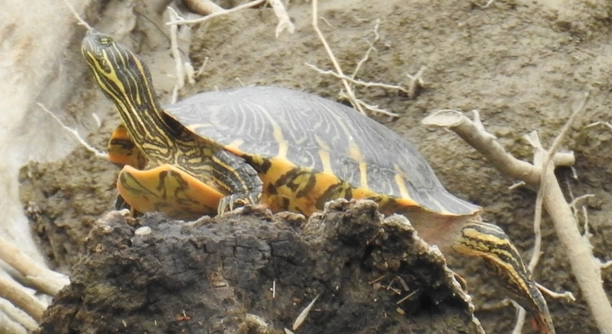
Setting up a comfortable and stress-free habitat for your cooter turtle can seem overwhelming. However, with the right approach and a few simple steps, you can create a safe and welcoming environment for your pet.
To create a stress-free cooter turtle habitat, start by focusing on essential factors such as tank size, water temperature, lighting, and proper filtration. Providing a variety of hiding spots, basking areas, and clean water is key to promoting a healthy and happy environment for your turtle.
Setting up a good home for your turtle ensures they thrive. We will walk you through everything you need to know to set up a perfect habitat for your cooter turtle.
Choosing the Right Tank Size
The tank size is the most important factor when setting up your turtle’s habitat. Cooter turtles can grow quite large, so they need enough space to move around comfortably. A 40-gallon tank is the minimum for one turtle, but bigger is always better. The water should be deep enough for your turtle to swim, with room for them to fully extend their legs. The tank also needs to have enough space for a basking area and places to hide.
A larger tank gives your turtle the freedom to roam and reduces stress. It also helps maintain water quality by providing more space for filtration.
Don’t forget to measure the tank to ensure it’s big enough for your turtle as it grows. Make sure to also consider the weight of the tank when choosing a location for it in your home. A stable, secure surface is essential for supporting the tank’s size and weight. Having enough space in the tank will allow your turtle to be active, reducing anxiety and encouraging natural behaviors.
Maintaining Proper Water Temperature
Water temperature plays a key role in your turtle’s health. Cooter turtles require a water temperature between 75°F and 85°F to stay active and healthy. If the water is too cold, it can cause them to become lethargic and more prone to illness.
A reliable aquarium heater is essential for regulating the water temperature. Make sure to use a thermometer to monitor the temperature closely. With the right temperature, your turtle will feel comfortable, which promotes healthy eating and swimming.
A consistent water temperature is vital to your turtle’s well-being. Fluctuations in temperature can stress your turtle and affect its immune system. Keep the water warm and steady to create a more comfortable environment.
Setting Up Proper Lighting
Cooter turtles need access to UVB light to thrive. UVB light helps them synthesize vitamin D3, which is crucial for calcium absorption and shell health. Without proper lighting, your turtle could suffer from bone and shell problems. A full-spectrum UVB bulb is essential for your tank.
Place the UVB light over the basking area to mimic natural sunlight. The light should be on for 10-12 hours a day, providing a regular day-night cycle. It’s also important to replace the bulb every six months, as its effectiveness can decrease over time.
In addition to UVB light, your turtle will need a heat lamp for basking. The heat lamp should create a warm spot on the basking platform, ranging from 85°F to 90°F. This helps your turtle regulate its body temperature, which is essential for digestion and overall health.
Water Filtration
A good water filtration system is key to maintaining a healthy habitat. Cooter turtles are messy, and they produce a lot of waste. Without a strong filter, the water can quickly become dirty, which may lead to health issues for your turtle.
Choose a filter designed for a tank size larger than your own to ensure it can handle the waste load. The filter should be able to clean the water and keep it clear and fresh. Regular maintenance is essential to avoid clogs or malfunctions.
Keep in mind that while the filter helps maintain clean water, it’s still important to perform partial water changes regularly. Changing out 25-30% of the water every couple of weeks helps keep the water fresh and reduces harmful toxins. Clean water is crucial for your turtle’s well-being and long-term health.
Basking Area
A basking area is essential for your turtle to warm up and dry off. Place a flat rock or dock in the tank where your turtle can easily climb out of the water. The basking spot should be in the range of 85°F to 90°F.
Turtles need warmth to digest their food and stay healthy. Without access to a proper basking area, they can become stressed or develop health problems. Ensure that the basking platform is sturdy and safe, with enough space for your turtle to relax comfortably.
Make sure the basking area is easy to reach for your turtle. It should be a smooth, stable surface that doesn’t pose a risk of injury. Regularly check the area to ensure it’s clean and dry.
Tank Decor and Hiding Spots
Adding tank decor and hiding spots makes your turtle feel secure. Cooter turtles need places to hide, especially when they’re feeling stressed. You can use rocks, caves, or aquarium-safe plants to create these areas.
Hiding spots also give your turtle a sense of privacy and safety. This reduces anxiety, especially when they are adjusting to a new environment. Create spaces that allow them to retreat but still offer enough room to move around comfortably.
By incorporating tank decor, you also help create a more natural environment that mimics their wild habitat. This can encourage more natural behaviors and help your turtle feel at home.
Regular Tank Maintenance
Routine maintenance keeps your turtle’s habitat healthy. Clean the tank regularly, remove debris, and check the filter. You should also monitor the water temperature and pH levels.
Water changes are essential for maintaining a healthy environment. Aim to change 25-30% of the water every couple of weeks. Test the water’s pH, ammonia, and nitrate levels regularly to ensure they’re within safe ranges. This prevents harmful toxins from building up, keeping your turtle happy and healthy.
FAQ
How often should I feed my cooter turtle?
Cooter turtles are omnivores, so their diet should include both plant matter and protein. Generally, young turtles need to eat every day, while adults can be fed every other day. It’s important to offer a balanced diet with commercial turtle pellets, fresh vegetables, and occasional protein sources like insects or fish.
Ensure the food is appropriate for their size and age. Overfeeding can lead to health issues, such as obesity or shell problems. Make sure the food is fresh and free from contaminants. Remove uneaten food from the tank to maintain water quality.
What size tank is needed for a cooter turtle?
A 40-gallon tank is the minimum size for one cooter turtle, but bigger is always better. A larger tank provides ample space for swimming and reduces stress. As your turtle grows, you may need to upgrade the tank. The bigger the tank, the easier it is to maintain water quality.
Ensure that the tank is deep enough for your turtle to swim freely. There should also be enough space for a basking area and hiding spots. A spacious habitat helps your turtle stay active, healthy, and comfortable.
Can I keep multiple cooter turtles together?
Cooter turtles can be kept together, but it depends on their size, temperament, and the size of the tank. If the tank is large enough, with separate basking areas and plenty of space, multiple turtles can coexist peacefully. However, overcrowding can lead to stress, aggression, and health issues.
Always monitor the turtles for signs of aggression. If they’re showing territorial behavior or fighting, it’s better to separate them. Providing a tank large enough to reduce competition for space and food is key to keeping multiple turtles together.
What should I do if my turtle is not eating?
If your turtle refuses food, it could be due to a variety of reasons, including water temperature being too cold, stress, or an illness. First, ensure the water temperature is within the appropriate range. If your turtle still isn’t eating, check for any signs of health problems.
It’s important to offer a variety of foods to tempt your turtle. Try different vegetables, insects, or live food. If the refusal to eat persists, consult with a vet who specializes in reptiles to rule out any medical issues.
How do I clean my cooter turtle’s tank?
Cleaning the tank is vital for maintaining a healthy environment. First, remove your turtle from the tank and place it in a safe area. Clean the tank walls and substrate with water and non-toxic cleaners. Avoid harsh chemicals that can harm your turtle.
Once the tank is cleaned, scrub the filter and change the water. Perform partial water changes every couple of weeks to keep the tank fresh. Always check the water’s pH, ammonia, and nitrate levels to ensure they are within safe limits. Proper tank maintenance will keep your turtle healthy.
Do cooter turtles need a heater in their tank?
Yes, a heater is necessary to maintain a proper water temperature for your cooter turtle. Cooter turtles are cold-blooded, and they rely on external heat sources to regulate their body temperature. The water should be between 75°F and 85°F for optimal health.
A reliable aquarium heater will ensure the water stays at the right temperature. Be sure to use a thermometer to monitor the temperature regularly. If the water is too cold or too hot, your turtle could become stressed or ill. A stable temperature is key to their well-being.
What type of lighting do I need for my turtle?
UVB lighting is crucial for cooter turtles. It helps them synthesize vitamin D3, which is necessary for calcium absorption and shell health. Without UVB light, your turtle could develop metabolic bone disease. Use a full-spectrum UVB bulb to mimic natural sunlight.
Place the UVB light over the basking area, and keep it on for 10-12 hours a day. Ensure the light is positioned at the correct distance from the basking area to provide enough UVB exposure. Remember to replace the bulb every six months to maintain its effectiveness.
Can I use tap water for my turtle’s tank?
Tap water can be used, but it should be treated first to remove chlorine and chloramine, which can be harmful to your turtle. You can use a water conditioner to neutralize these chemicals. Additionally, make sure the water temperature is appropriate before adding it to the tank.
If your tap water is hard or has high levels of minerals, it might be best to use bottled or filtered water. Always test the water’s quality regularly to ensure it remains safe for your turtle.
Why is my turtle basking more than usual?
Turtles bask to regulate their body temperature and dry off after swimming. However, excessive basking can indicate an issue. If your turtle is basking more than usual, it could be trying to warm up due to cold water, or it might be stressed.
Ensure that the water temperature is within the correct range. If the water is too cold or the basking spot is too hot, your turtle may seek more time basking. Observe your turtle closely for any signs of illness or discomfort. If excessive basking continues, consider consulting a vet.
How can I tell if my turtle is healthy?
A healthy cooter turtle should have clear eyes, a firm and smooth shell, and a healthy appetite. Its movements should be active, and it should be swimming and basking regularly. Healthy turtles maintain a proper weight and are alert to their surroundings.
If you notice signs like lethargy, loss of appetite, abnormal shedding, or shell discoloration, these could be signs of illness. It’s important to regularly check your turtle for any changes in behavior or appearance and consult a vet if you have concerns.
Final Thoughts
Setting up a stress-free habitat for your cooter turtle requires attention to detail, but it doesn’t have to be overwhelming. By providing the right tank size, clean water, and proper lighting, you can create a comfortable and healthy environment for your turtle to thrive. Remember, a spacious tank with proper heating, UVB lighting, and a filtration system is key. These factors help ensure your turtle has the space and conditions needed for a long and happy life.
Regular maintenance, including cleaning the tank and checking water quality, will keep the environment fresh and safe. It’s essential to monitor your turtle’s behavior and health to catch any potential issues early. If your turtle isn’t eating or is showing signs of distress, don’t hesitate to adjust the setup or consult a vet. The more you learn about your turtle’s specific needs, the easier it becomes to provide the best care.
By following these simple steps and guidelines, you can enjoy watching your cooter turtle grow and flourish. Creating a stress-free habitat is not just about meeting their physical needs; it’s about creating a space where your turtle feels secure and comfortable. Your efforts will result in a happy, healthy turtle that can live a long life in your care.

Hello,
If you enjoy the content that we create, please consider saying a "Thank You!" by leaving a tip.
Every little bit helps us continue crafting quality advice that supports the health, happiness, and well-being of pets around the world, for pets of all shapes, sizes, and species.
We really appreciate the kindness and support that you show us!