
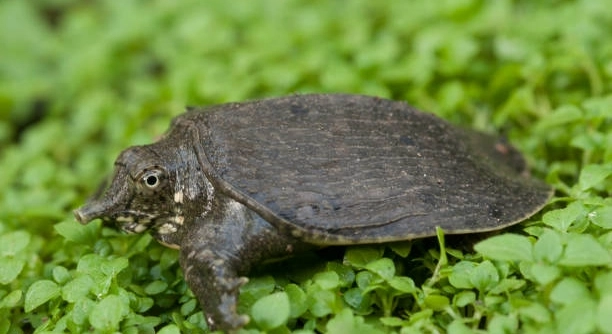
If you own a softshell turtle, you may have noticed that it scratches its shell from time to time. This behavior can be surprising, especially if you’re unsure of its cause. Understanding your turtle’s actions is key to keeping it healthy and happy.
Scratching is often a normal part of a softshell turtle’s life, typically due to shedding or discomfort from environmental factors like water quality. However, excessive scratching may indicate underlying issues such as parasites or infections.
There are several possible reasons for this behavior, and identifying the cause is important for your turtle’s well-being. We’ll explore how to help your turtle stay comfortable and healthy moving forward.
Possible Reasons for Scratching
There are a few main reasons why your softshell turtle might be scratching its shell. The most common is the natural process of shedding. Turtles shed their scutes (the hard plates on their shells) periodically. This process can cause some irritation, leading them to scratch. Other factors, such as poor water quality, can also lead to skin irritation. If the water has high ammonia levels or is too warm, your turtle might scratch to relieve discomfort. Additionally, softshell turtles sometimes rub their shells to clean off algae or other debris that collects on them.
If scratching is mild and infrequent, it’s likely just part of your turtle’s regular behavior. However, if it’s more intense or constant, something else might be at play, like an infection.
Make sure the water is clean and the temperature is right. Check for any signs of parasites or infections that could cause your turtle distress. If in doubt, it’s always a good idea to consult a vet.
When to Be Concerned
Sometimes scratching can indicate a problem that requires attention. If your turtle is scratching frequently, it could be a sign of an underlying health issue.
Skin infections, fungal growths, or parasitic infestations can all cause discomfort and scratching. A turtle that is scratching a lot might be trying to relieve the itch caused by these conditions. It’s important to pay close attention to your turtle’s behavior and shell condition. Look for any redness, swelling, or unusual patches on the shell or skin. If these signs appear, it could be time to act.
If you’re unsure of what’s going on, a vet can help diagnose and treat the issue. Early intervention can prevent serious health problems and ensure your turtle stays happy and healthy.
Water Quality and Temperature
Water quality plays a big role in your turtle’s overall health. If the water is too dirty or the wrong temperature, it can cause irritation and discomfort, leading to scratching. Softshell turtles prefer clean water with a proper filtration system. The ideal water temperature for them is around 75-80°F.
Dirty water, high levels of ammonia, or chlorine can affect your turtle’s skin and shell. Regular water changes and maintaining proper filtration are key to preventing these issues. Using a water testing kit will help ensure the water remains safe for your turtle.
Additionally, make sure the water temperature is stable. If the tank gets too hot or too cold, it can stress your turtle, causing behaviors like scratching. Ensure your tank heater is set to the right temperature and monitor it regularly.
Shell Condition
Your softshell turtle’s shell is vulnerable to damage, which can cause scratching. Injuries, cracks, or abrasions can lead to irritation, making the turtle try to rub or scratch the affected area.
If you notice visible damage on the shell, it’s important to address it immediately. Minor scratches can sometimes be treated at home with proper cleaning and care, but deeper wounds may require a vet’s help. A clean and intact shell is essential for your turtle’s protection, so regularly check for any signs of wear and tear.
Also, keep an eye out for fungal infections or bacteria. These can cause spots or discoloration on the shell and lead to further irritation. If the problem persists, consult a professional to ensure proper healing.
Parasites and Infections
Parasites like ticks, mites, or internal worms can cause your softshell turtle to scratch its shell. These pests can irritate the skin, leading to persistent scratching.
If you suspect your turtle has a parasite, look for other signs like swelling, discharge, or changes in behavior. Getting a proper diagnosis is crucial.
A vet can prescribe treatments to clear the infection or parasites. Make sure to keep the tank clean and monitor for reoccurring issues. Regular vet visits can help catch problems early.
Overcrowding and Stress
Stress is a common cause of scratching in softshell turtles. If the tank is overcrowded, your turtle might feel anxious, leading to behaviors like scratching.
Give your turtle enough space to move freely. A cramped environment can also cause fighting or competition for resources, increasing stress levels. Ensuring a proper tank size and environment can reduce the chances of stress-related scratching.
FAQ
Why is my softshell turtle scratching its shell so often?
Frequent scratching could indicate a few issues. It’s often a sign of shedding, where the turtle removes old scutes (the hard plates on the shell). However, excessive scratching may also be linked to skin irritation, poor water quality, or an underlying infection. If scratching is constant and seems more intense than usual, it might be time for a vet visit to check for parasites or infections.
How can I tell if my turtle is shedding its scutes?
Shedding is normal for turtles, and it typically happens in small pieces. If your turtle is scratching or rubbing against surfaces, it might be trying to remove old scutes. You may notice pieces of the shell peeling off, or it could look slightly rougher than usual. If the scratching seems to go on for weeks without any noticeable shedding, it could be a sign of other problems.
What type of water is best for my softshell turtle?
Softshell turtles thrive in clean, filtered water. Water should be free of chlorine and other chemicals. You’ll want to maintain proper water conditions with regular water changes. The ideal temperature is between 75-80°F. High ammonia levels or poor filtration can cause skin irritations and lead to excessive scratching. It’s helpful to use a water testing kit to monitor the quality.
Can poor water quality cause scratching in turtles?
Yes, poor water quality is one of the main causes of irritation for turtles. High levels of ammonia, nitrates, or chlorine can lead to skin issues. If the water is not clean, it can cause discomfort and make your turtle scratch. Regular maintenance of your tank’s filtration system and frequent water changes are essential to keep the water safe.
Should I be worried if my turtle scratches occasionally?
Occasional scratching is usually harmless. It’s a normal part of your turtle’s life, especially if it’s shedding. If you notice that the scratching happens only now and then, it’s likely nothing to worry about. Just be sure the water quality is good and that your turtle is comfortable. However, if scratching becomes frequent or persistent, it’s worth checking for other causes like parasites or infections.
How can I tell if my turtle has a skin infection?
A skin infection can cause redness, swelling, or unusual patches on the shell or skin. If the scratching becomes excessive and you see sores, pus, or any abnormal growths, your turtle may have an infection. In such cases, it’s important to consult a vet to treat the infection and avoid further complications.
Can my turtle scratch itself too much?
Yes, excessive scratching could indicate a problem, such as an infection or irritation. If your turtle is constantly rubbing or scratching, it could be causing harm to its shell or skin. It’s important to identify the root cause and address it promptly. Over-scratching can lead to open wounds or more severe health issues.
How do I prevent scratching caused by water temperature?
Temperature plays a huge role in your turtle’s comfort. If the water is too hot or too cold, it can lead to stress, which may cause scratching. Use a tank heater to regulate the water temperature and keep it between 75-80°F. Regularly check the water’s temperature to ensure it remains stable.
What should I do if I find parasites on my turtle?
If you spot parasites like ticks or mites on your turtle, you need to remove them carefully. A vet can prescribe medication to treat external parasites. Internal parasites, such as worms, can be harder to spot but may cause your turtle to scratch excessively. A vet visit is recommended for a proper diagnosis and treatment plan.
Can my turtle’s shell be damaged from scratching?
While softshell turtles have a flexible, leathery shell, it’s still important to take care of any scratching or rubbing behaviors. Excessive or aggressive scratching can lead to abrasions or even tears, which can introduce bacteria or fungus. Always inspect your turtle’s shell for any signs of damage, and be proactive in maintaining a healthy environment.
Are there any natural remedies to help my turtle’s skin?
While there are some natural remedies that might help relieve irritation, it’s best to consult a vet first. Soothing baths in warm, dechlorinated water can provide temporary relief. Avoid using any chemicals or oils unless advised by a veterinarian. A clean tank with proper filtration is often the most effective way to prevent irritation.
How can I keep my turtle’s tank from getting too crowded?
Overcrowding can lead to stress, which can trigger behaviors like scratching. Make sure your turtle has enough space to swim and explore comfortably. A general rule is to provide at least 10-20 gallons of water per turtle. Having too many turtles in one tank can lead to competition for resources and increased stress.
Can scratching be caused by a poor diet?
While diet is essential for your turtle’s health, it is less likely to be the direct cause of scratching. However, poor nutrition can weaken the immune system and make your turtle more vulnerable to infections or parasites. A balanced diet of protein, vegetables, and occasional treats is important for overall well-being.
How do I prevent fungal infections on my turtle’s shell?
Fungal infections can occur if the shell is constantly wet or exposed to poor water quality. Ensure your turtle’s tank has proper filtration and is regularly cleaned. If you notice discoloration or unusual growth on the shell, it’s important to treat it quickly. A vet can recommend antifungal treatments if needed.
Is scratching normal for baby softshell turtles?
Baby softshell turtles might scratch more often as they go through the shedding process. They may shed more frequently while growing. It’s normal for them to scratch as they remove old scutes, but excessive scratching should still be monitored for potential signs of infection or discomfort. Keep their environment clean and free of stressors.
Final Thoughts
Scratching in softshell turtles is often a normal behavior, especially during the shedding process. Turtles naturally shed the outer layer of their shell as they grow, and scratching can be a way for them to remove old scutes. This process is typically harmless and occurs periodically. However, if the scratching becomes excessive or persistent, it’s essential to look for other potential causes. By paying attention to your turtle’s behavior and shell condition, you can easily determine if scratching is part of normal shedding or something that requires further attention.
When scratching is linked to poor water quality, it’s important to address it quickly. Maintaining clean, filtered water and keeping the temperature stable will help your turtle stay comfortable and avoid irritation. Turtles can be sensitive to water conditions, so regular tank maintenance is crucial. Additionally, ensuring your softshell turtle has enough space to move around freely will help reduce stress, which can sometimes cause scratching. Creating a stress-free, clean environment is key to preventing any unnecessary discomfort for your turtle.
If you notice any signs of infection, parasites, or other health issues along with the scratching, don’t hesitate to consult a veterinarian. Softshell turtles, like all pets, need medical attention when something seems off. A vet can help diagnose the problem and offer treatment options, ensuring your turtle’s health and well-being. In the end, understanding why your turtle is scratching, monitoring its condition, and maintaining a healthy environment will help keep your softshell turtle happy and thriving for years to come.

Hello,
If you enjoy the content that we create, please consider saying a "Thank You!" by leaving a tip.
Every little bit helps us continue crafting quality advice that supports the health, happiness, and well-being of pets around the world, for pets of all shapes, sizes, and species.
We really appreciate the kindness and support that you show us!