
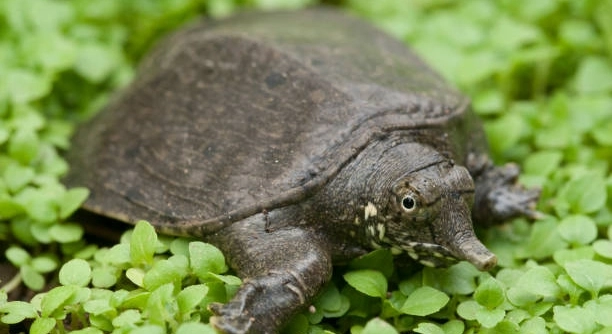
Turtle tanks are fascinating, but it’s not uncommon to notice the water turning milky from time to time. This can be frustrating and worrying for any turtle owner.
Milky water in your turtle tank typically indicates an imbalance in the aquarium’s environment. Most often, this is due to bacteria or algae growth, which thrive in dirty water. Proper filtration and regular cleaning can help resolve this issue.
Knowing the cause behind milky water can help you take the right steps in maintaining a clean and healthy environment for your turtle. Understanding these factors will keep your tank crystal clear and your pet happy!
Common Causes of Milky Water in Turtle Tanks
Milky water in a turtle tank is often linked to a few common issues. First, it could be caused by excess nutrients in the water, such as uneaten food or waste from your turtle. These excess nutrients promote the growth of bacteria and algae. Over time, these organisms multiply and cloud the water. Another reason could be a newly set-up tank where the biological filter has not yet matured. This can lead to a temporary imbalance that results in murky water. Lastly, poor filtration can fail to keep the water clean, allowing particles to build up and cause the water to become cloudy.
Poor filtration often happens when the filter isn’t powerful enough for the size of the tank, or if it’s not cleaned regularly. You should check your filter and ensure it is suitable for your turtle’s tank size and water volume.
It’s important to test the water regularly to monitor its levels, especially ammonia and nitrate. This helps catch any early signs of an imbalance. Cleaning the tank frequently, along with proper filtration, is key to keeping the water clear. Use a good water conditioner to help maintain water quality. If the issue persists, it might be helpful to consider a tank clean-up crew, like snails or algae eaters, to help manage the growth of unwanted organisms. A proper balance of water chemistry and cleaning routine will ensure your turtle’s habitat stays clean.
The Importance of Water Quality for Your Turtle
Water quality directly impacts the health of your turtle. Clean water prevents bacterial infections and skin problems. Without proper care, your turtle might become stressed or sick.
Maintaining good water quality involves not only cleaning but also using the right products. Invest in a quality filter, and check the water’s temperature regularly. Turtles thrive in warm water, so make sure the tank stays within the ideal range. Along with frequent water changes, this will help keep the environment stable. Regular water testing, using water conditioners, and occasional water treatments can ensure your turtle stays healthy in its tank.
The Role of Overfeeding in Milky Water
Overfeeding is a common issue that can cause milky water in a turtle tank. When you give your turtle more food than it can consume, the excess uneaten food breaks down and creates waste, leading to an unhealthy environment.
The uneaten food provides nutrients that encourage the growth of harmful bacteria. This, in turn, can cause the water to become cloudy. Regularly removing uneaten food from the tank after feeding your turtle will reduce the buildup of waste. It’s also important to feed your turtle the right amount to avoid overfeeding. Stick to a feeding schedule and adjust portions based on your turtle’s size and age.
In addition to causing milky water, overfeeding can negatively affect your turtle’s health. Uneaten food can introduce bacteria that can lead to digestive problems or skin infections. Maintaining a proper feeding routine not only keeps the water clear but also promotes the well-being of your turtle. Keep track of how much food your turtle eats to prevent excess leftovers from affecting the tank.
The Impact of Poor Filtration
A filter is essential for maintaining clean water in your turtle tank. If the filter is not powerful enough or clogged, it will not effectively remove debris, waste, or bacteria, which can cause the water to turn milky.
Make sure you choose a filter designed for your tank’s size. A small filter for a large tank won’t keep the water clean. Check the filter regularly to ensure it isn’t clogged with debris or dirt. Over time, filters lose their efficiency, so it’s a good idea to replace the filter media or the entire filter system every few months.
In addition to replacing the filter as needed, keep the tank free of waste by performing water changes regularly. A filter can only do so much if there’s too much debris in the water. Aim for a balance where the filter can handle the waste load in the tank.
The Role of Bacteria in Cloudy Water
Bacteria play a significant role in causing milky water in turtle tanks. When there is an excess of organic matter like food or waste, bacteria multiply, leading to cloudy water. These bacteria thrive in an environment where the tank isn’t properly maintained.
The presence of high bacteria levels can lead to poor water quality. To prevent this, you should perform regular water changes, clean the substrate, and avoid overfeeding your turtle. Using a high-quality filter can also help control bacterial growth. With these practices, you’ll keep your water clear and reduce bacteria buildup.
Algae and Milky Water
Algae can also contribute to the milky appearance of your turtle’s tank. While some algae are normal and even helpful in an aquarium, too much algae can cloud the water, making it look murky. Algae grow when there’s an imbalance in nutrients, often from excess food or light exposure.
To prevent algae overgrowth, limit the amount of light your turtle’s tank receives. Reducing the lighting can help control algae bloom and prevent it from clouding the water. Regularly clean your tank to remove algae build-up on surfaces and monitor water levels to avoid excess nutrients.
FAQ
Why is my turtle tank water turning cloudy?
Cloudy water is often a sign of poor water quality in your turtle tank. This can be caused by overfeeding, insufficient filtration, or bacteria and algae buildup. When food and waste break down, they provide nutrients that promote bacteria and algae growth. Poor filtration makes it harder to remove these contaminants, which leads to milky water. Regular water changes, proper feeding habits, and cleaning the tank can help clear the water.
How often should I change the water in my turtle tank?
It’s generally recommended to change about 25-50% of the water in your turtle tank every week. However, this can vary depending on the size of the tank and the number of turtles you have. In larger tanks or tanks with fewer turtles, you may be able to extend the interval to every two weeks. Keep an eye on water quality and adjust the frequency of water changes as needed. Regular water changes help prevent the buildup of waste, which can lead to cloudy water.
Can I use tap water for my turtle tank?
You can use tap water for your turtle tank, but it’s important to treat it first. Tap water often contains chlorine, chloramine, and other chemicals that can harm your turtle and upset the balance of your tank. You should use a water conditioner to remove chlorine and other chemicals before adding it to the tank. It’s also a good idea to check the pH and hardness of your tap water to ensure it’s suitable for your turtle.
How do I prevent algae growth in my turtle tank?
To prevent algae growth, reduce the amount of light your turtle’s tank receives. Avoid placing the tank in direct sunlight, as this can encourage algae blooms. You should also avoid overfeeding your turtle, as excess nutrients in the water can fuel algae growth. Regular cleaning and water changes will also help keep algae in check. Consider using a tank-cleaning crew, such as algae-eating snails, to naturally help manage algae growth.
Can I use a UV sterilizer to clear the water?
Yes, a UV sterilizer can be effective in clearing cloudy water caused by floating bacteria or algae. A UV sterilizer works by exposing the water to ultraviolet light, which kills or neutralizes harmful microorganisms. This can help keep your tank’s water clearer, but it’s important to note that a UV sterilizer should not replace regular water changes or proper filtration. It’s just an additional tool to help maintain water clarity.
Should I add more filtration to my tank?
If your turtle tank has consistently cloudy water, adding more filtration could help. Make sure your filter is powerful enough for the size of your tank. A filter that’s too weak will struggle to keep the water clean. You should also clean the filter regularly to ensure it’s working properly. Adding a filter designed for a larger tank can also help manage waste and improve water clarity.
How do I know if my turtle is overfed?
Overfeeding your turtle can lead to cloudy water due to uneaten food breaking down and causing waste buildup. If you notice excess food in the tank after feeding, you’re likely overfeeding your turtle. A good rule of thumb is to offer food that your turtle can eat within 15-20 minutes. Remove any uneaten food immediately to prevent it from decaying in the tank.
Can bacteria in my turtle tank harm my turtle?
Yes, high levels of harmful bacteria in the tank can pose a threat to your turtle’s health. These bacteria can lead to skin infections, respiratory issues, or digestive problems. Proper tank maintenance, including regular water changes, good filtration, and cleaning, will help control bacterial growth and keep your turtle safe. It’s important to monitor water quality and take action if you notice signs of bacterial overgrowth, such as milky water or a foul odor.
What is the best way to clean the tank without harming my turtle?
To clean your turtle tank safely, remove your turtle first and place it in a temporary holding container. Use a non-toxic aquarium cleaner or a mixture of vinegar and water to clean the surfaces. Be sure to rinse thoroughly to remove any residue. Clean the substrate and filter according to the manufacturer’s instructions. When cleaning, avoid using harsh chemicals or soaps, as they can harm your turtle. After cleaning, perform a partial water change and check the water quality before returning your turtle to the tank.
Is cloudy water harmful to my turtle?
While cloudy water itself may not always harm your turtle, it’s a sign of an imbalance in the tank’s environment. Milky water often indicates high bacteria or algae levels, which can negatively affect your turtle’s health. Prolonged exposure to poor water quality can lead to skin problems, respiratory infections, or stress. It’s important to address the cause of the cloudy water and improve water quality to ensure your turtle’s health and well-being.
How can I fix cloudy water without a filter?
If your filter isn’t working, you can temporarily clear cloudy water by doing frequent water changes and removing excess food or waste. Consider using a water clarifier designed for aquarium use to help reduce cloudiness. Additionally, adding live plants or algae-eating creatures like snails can help maintain water quality. However, keep in mind that a functioning filter is essential for long-term water clarity, and you should replace or repair your filter as soon as possible.
Final Thoughts
Milky water in your turtle tank can be frustrating, but it’s a problem that can usually be fixed with a little attention to detail. Understanding the causes, like overfeeding, poor filtration, and bacterial or algae growth, is the first step to solving the issue. By making simple adjustments to your routine, such as feeding your turtle the right amount of food, performing regular water changes, and ensuring your filter is doing its job, you can keep the water clear and healthy for your pet.
Maintaining a clean tank is crucial not only for the appearance of the water but also for the health and well-being of your turtle. Cloudy water can cause stress and even lead to infections, so it’s important to take action as soon as you notice any signs of murkiness. Regular water tests, proper filtration, and cleaning routines are essential in keeping your turtle’s environment stable. Using water conditioners and testing the pH regularly can also help in managing water quality.
Ultimately, the health of your turtle is directly tied to the quality of its environment. A clean, well-maintained tank not only keeps the water clear but ensures your turtle has a healthy place to live. By addressing the causes of cloudy water early on and making sure to follow best practices for tank care, you will create a better habitat for your turtle. With a little patience and attention, you can enjoy a clear, clean tank and a happy, healthy turtle.

Hello,
If you enjoy the content that we create, please consider saying a "Thank You!" by leaving a tip.
Every little bit helps us continue crafting quality advice that supports the health, happiness, and well-being of pets around the world, for pets of all shapes, sizes, and species.
We really appreciate the kindness and support that you show us!