
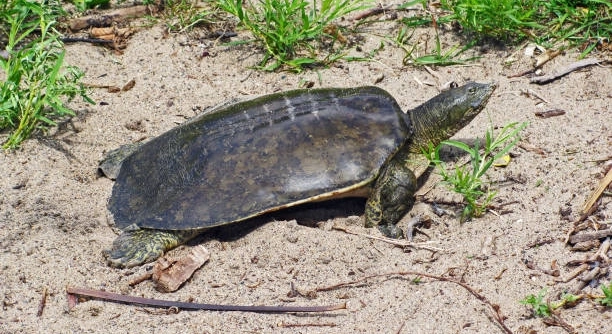
Turtles, like many animals, enjoy having a safe space to retreat to when they feel the need to hide. Offering hiding spots can improve their sense of security and well-being. This article will explain how to encourage your turtle to use these spaces.
To encourage turtles to use their hiding spots, ensure the areas are quiet, comfortable, and easy to access. Place the hides in spots where the turtle naturally feels safe, such as near a water source or under foliage.
By creating an inviting, stress-free environment with the right hide placement, your turtle will feel more secure and confident to explore these areas.
Choosing the Right Hiding Spots for Your Turtle
Turtles are naturally inclined to seek out hiding places that mimic their environment in the wild. In the wild, they may retreat into tall grasses, under rocks, or in the mud. To encourage your turtle to use their hiding spots, you need to replicate that environment. Whether it’s a sturdy piece of driftwood, a ceramic cave, or even a plastic plant, the hiding spot should be large enough for them to fit comfortably without feeling cramped.
Make sure the hide is in a location where the turtle feels secure, such as away from excessive noise or movement. The key is not to overwhelm them with too many choices. Simplicity works best. Having a few quiet and accessible spots will make them feel at ease.
Remember that your turtle is more likely to use hiding spots when they feel safe. You can also try placing the hide near the water or basking areas to make it more appealing. The goal is to create a calming environment where your turtle can retreat when needed.
Creating a Comfortable Environment
For your turtle to feel comfortable using a hide, it’s essential to maintain a temperature and humidity level that mirrors their natural habitat. Turtles thrive in areas with warm temperatures and humidity.
A hide in a slightly warmer spot can offer a cozy retreat for your turtle when they need to regulate their body temperature. You can achieve this by using heat mats or a UV light that provides warmth. Make sure to keep the environment humid enough, as dry areas might discourage your turtle from seeking shelter. This comfort can encourage regular use of the hide, as the turtle can rest and digest in a place that feels natural and safe.
Observing Your Turtle’s Behavior
Turtles have different preferences when it comes to their hiding spots. By observing how they react to various environments, you can tell which type of hide they prefer. Some turtles may like darker, enclosed spaces, while others prefer open but sheltered areas.
Pay attention to where your turtle spends most of their time. If they seem drawn to a particular spot, it’s a good sign they feel secure there. Watch their movements and behavior, such as whether they approach the hide slowly or seem hesitant. If they hide frequently, it means the spot is working well for them.
Some turtles might take time to explore their hides. Don’t be discouraged if they don’t use them right away. It can take a while for them to become comfortable, especially if they are in a new environment. Keep the area calm and let them adjust at their own pace.
Proper Placement of Hiding Spots
The location of the hide is key to encouraging use. A hide placed in the wrong spot can make a turtle feel exposed and uneasy. Placing it near their basking area can make it easier for them to transition from one space to another.
It’s also important to ensure that the hide isn’t located in high-traffic areas. Too much movement or noise can deter your turtle from exploring or using the hide. If you have other pets, keep them away from the hide. Providing a quiet, undisturbed area where the turtle can feel relaxed is essential.
Avoid placing the hide in the corner or a place with minimal airflow, as this can lead to unhealthy conditions. Instead, choose a spot with access to both ventilation and some cover. This will create a better sense of security and promote hide usage.
Ensuring Hiding Spots Are Accessible
Accessibility is important when placing hiding spots. Turtles are not as agile as other pets, so the spot should be easy for them to reach. If the hide is too high or placed in a hard-to-reach area, your turtle may not use it.
Make sure there are no obstacles between your turtle and their hiding spot. The path to the hide should be clear of any barriers, such as rocks or logs, that may impede their movement. A low entrance or wide opening works best, making it easy for them to find their way inside.
Keeping the Area Clean
A clean environment encourages turtles to use their hiding spots. Regularly check the hiding area for debris, food, or waste that could make it unappealing.
Turtles are sensitive to bacteria and odors. If the hide becomes too dirty, they may avoid it. Keep the spot dry and free from mold or standing water. A clean hide will always be more inviting and comfortable for your turtle to use.
FAQ
Why is my turtle not using its hiding spot?
There are a few possible reasons your turtle might not be using its hiding spot. First, it could be due to stress or a change in environment, which might make them hesitant to use new spaces. It could also be that the hide isn’t in a location your turtle finds comfortable or secure enough. Another possibility is that the hide itself isn’t suited to your turtle’s preference, such as being too small, too dark, or difficult to enter. Give them some time to adjust, but if the behavior persists, consider rearranging their habitat to make the hiding spot more inviting.
How can I make my turtle feel more secure in its hide?
To make your turtle feel more secure in its hide, it’s essential to mimic its natural environment as much as possible. Choose hides that offer cover on multiple sides, similar to the feeling of safety they would have in the wild. Adding some substrate or soft material inside the hide can also make the space feel more comfortable. Reducing external disturbances, like loud noises or the presence of other pets, can help as well. Finally, place the hide in a corner or secluded area of the enclosure to provide extra privacy and security.
Should I provide more than one hiding spot?
Yes, providing more than one hiding spot can be beneficial, especially if you have multiple turtles or a larger enclosure. Turtles are territorial and may feel the need to have their own personal space. Offering a variety of hides placed in different areas of the tank or enclosure can give them options to choose from, depending on where they feel most comfortable at any given time. Just ensure each hide is appropriate for the size of the turtle and the environment it’s placed in.
Can I use a plastic container as a hiding spot?
Plastic containers can be used as hiding spots, but it’s essential to ensure they are safe and appropriately sized. Make sure the container has no sharp edges or materials that could harm your turtle. The opening should also be wide enough for easy access and exit. If the container is too small or difficult for the turtle to enter and exit, it won’t be an effective hide. Ensure proper ventilation as well to prevent the build-up of heat or moisture that could be harmful to your turtle.
What materials are best for a turtle’s hiding spot?
When choosing materials for your turtle’s hiding spot, opt for natural materials like rocks, driftwood, or ceramic items. These materials tend to provide a more secure, realistic environment. Avoid using synthetic materials that could trap heat or moisture inside, potentially causing discomfort or health issues. Soft plants, such as artificial foliage, can also provide a cozy feel without adding unnecessary complexity. Ensure the material you use is non-toxic and easy to clean.
How often should I clean the hiding spot?
The hiding spot should be cleaned regularly to maintain a healthy environment for your turtle. Cleaning frequency depends on how often your turtle uses it, but a general rule of thumb is to clean the hide once a week. If there are visible signs of waste, food debris, or mold, clean it more frequently. Use safe, non-toxic cleaning solutions or warm water to avoid harming your turtle. Thoroughly dry the hide before placing it back in the enclosure to prevent moisture buildup.
Can I use heat mats near the hiding spot?
Yes, heat mats can be placed near the hiding spot to create a warm, inviting environment for your turtle. Just be sure that the mat doesn’t overheat the area, as excessive heat could make the hide uncomfortable. It’s essential to monitor the temperature of the hide and adjust the heat mat as needed to ensure a comfortable and safe environment for your turtle. The temperature should be warm enough to allow your turtle to regulate its body heat, but not so hot that it becomes a source of stress.
How do I know if my turtle is using its hiding spot?
You can tell if your turtle is using its hiding spot by observing their behavior. If the turtle spends a significant amount of time in the hide, you’ll notice that they come out less frequently. If the hide is untouched or appears clean, it may not be in the right location or may not meet their comfort needs. If the turtle is often hiding or seems more withdrawn than usual, it could indicate that they are seeking refuge. Keep an eye on your turtle’s patterns and adjust the hide accordingly.
Should I add bedding to the hiding spot?
Adding bedding to the hiding spot can make it more comfortable for your turtle, especially if the bedding mimics their natural environment. Soft, absorbent materials like coconut coir, sphagnum moss, or leaf litter are ideal options. Be sure to avoid materials that could be harmful if ingested, like small pebbles or sand. The bedding should be easy to clean and should not retain excess moisture, as this could lead to mold growth or other health issues. Make sure it is comfortable for your turtle to burrow in if they wish.
Is it necessary for turtles to hide all the time?
Not all turtles feel the need to hide constantly. Some turtles prefer to be more active and visible, while others will retreat to a hiding spot when they feel threatened or need privacy. It’s important to offer hiding spots to give your turtle the option to retreat if they want to, but not all turtles will use them regularly. If your turtle is eating, basking, and behaving normally, it may just prefer to stay out in the open. However, a turtle that avoids its hiding spot completely could be experiencing stress or discomfort.
Final Thoughts
Providing your turtle with appropriate hiding spots is an important step in creating a comfortable and stress-free environment. Turtles need a space where they can retreat to feel safe, rest, and regulate their body temperature. By ensuring that these hiding spots are well-placed, accessible, and suited to their preferences, you help your turtle maintain a balanced and healthy life. Over time, your turtle will likely become more comfortable and use these spots regularly if they feel secure in their surroundings.
It’s essential to observe your turtle’s behavior to understand their needs. Every turtle is unique, and some may prefer more privacy, while others might not use their hides as frequently. Adjusting the location, material, and accessibility of hiding spots based on their reactions will create an environment tailored to their comfort. Remember that turtles are creatures of habit, so give them time to settle into their new spaces. Being patient and attentive to their behavior is key.
Ultimately, creating a habitat that promotes security, health, and comfort will ensure your turtle’s well-being. If your turtle is not using its hiding spot right away, don’t be discouraged. As long as you provide a safe, clean, and accessible environment, your turtle will eventually find the hide that works for them. Taking small steps to cater to their needs will go a long way in keeping them happy and healthy in their home.

Hello,
If you enjoy the content that we create, please consider saying a "Thank You!" by leaving a tip.
Every little bit helps us continue crafting quality advice that supports the health, happiness, and well-being of pets around the world, for pets of all shapes, sizes, and species.
We really appreciate the kindness and support that you show us!