
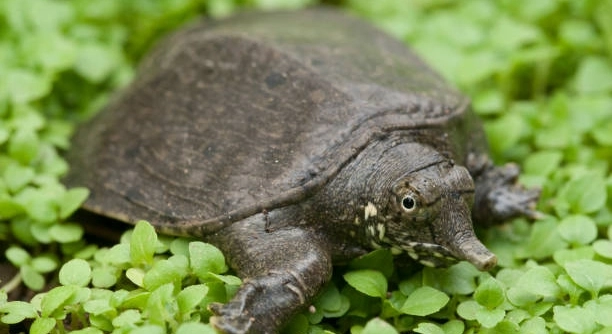
Maintaining stable water chemistry is essential for the health and well-being of your softshell turtle. A consistent environment helps them thrive and ensures they remain happy in their aquatic home. Let’s explore how to achieve this balance.
To maintain stable water chemistry for softshell turtles, monitor key parameters such as pH, ammonia, nitrites, and nitrates. Regular water changes, filtration, and testing can help maintain a healthy environment that promotes your turtle’s overall health and prevents harmful fluctuations.
Achieving proper water balance is easier than you might think, and with the right steps, your turtle will benefit from a stable and clean habitat.
pH Levels: The Key to Softshell Turtle Health
The pH level of your turtle’s water is an important factor in their overall health. Softshell turtles prefer slightly acidic to neutral water, usually in the range of 6.5 to 7.5. Water that is too acidic or too alkaline can cause stress and even affect their immune system, leading to illness. To maintain a stable pH, invest in a reliable pH testing kit and monitor the water regularly. If you find the pH is fluctuating, try using buffers or adjusting the water with products designed to stabilize the pH. Consistent testing is vital to ensure the water remains within the optimal range.
Regular testing of pH is important for keeping the water balanced. Softshell turtles are sensitive to significant changes in their environment, so it’s crucial to keep an eye on this number.
To correct any imbalances in pH, use additives specifically made for turtle tanks. If your water is too acidic, add crushed coral or shells, which can naturally raise the pH. On the other hand, if the water is too alkaline, use products designed to lower the pH. Avoid rapid shifts in pH levels, as these can shock your turtle’s system. Introduce changes slowly and monitor the tank’s water chemistry after adjustments to prevent stress. Keeping a stable pH will reduce the risk of illnesses and help your turtle stay healthy in the long run.
Ammonia, Nitrites, and Nitrates: The Triad of Water Quality
Ammonia, nitrites, and nitrates are byproducts of waste, decomposing food, and plant material. High levels of ammonia and nitrites are toxic and can quickly harm your softshell turtle. Regular water changes and a properly maintained filtration system can help control these harmful compounds. Keeping the water clean is key to preventing issues.
Ammonia levels should ideally be zero, with nitrites and nitrates kept in check.
To keep these compounds under control, set up a filtration system that is powerful enough for your tank size. Additionally, make sure to clean the filter regularly. A good biological filter encourages the growth of beneficial bacteria, which breaks down harmful substances like ammonia and nitrites. Water changes are essential as well, but avoid changing too much at once. Doing so can cause fluctuations in water chemistry, which might stress your turtle. Regularly check ammonia and nitrite levels, and aim for nitrate levels to be under 40 ppm for the best water quality. If your tank has high nitrate levels, consider adding live plants, which help absorb excess nutrients.
The Importance of Regular Water Changes
Water changes are one of the easiest ways to keep the water chemistry stable for your softshell turtle. Removing and replacing a portion of the water helps reduce toxins and keeps the habitat fresh.
Changing around 25% of the water once a week should be enough to maintain balance.
Make sure to use dechlorinated water when replacing it to avoid introducing harmful chemicals into the tank. It’s also important to monitor the water temperature when making changes, as sudden shifts can stress your turtle. In addition to water changes, you should regularly clean the tank’s substrate and any decorations to prevent waste buildup. By staying on top of routine water changes and cleaning, you help prevent dangerous chemical imbalances that could harm your turtle over time.
Filtration: A Vital Tool for Water Stability
A good filtration system is essential for maintaining water chemistry. It helps to keep harmful toxins in check and provides cleaner water for your softshell turtle. Make sure the filter is rated for your tank size and capable of handling waste produced by your turtle.
A powerful filter works to remove debris and maintain water clarity. However, filtration is not a substitute for regular water changes. You still need to replace water regularly to avoid toxin buildup. Also, be sure to clean the filter regularly to maintain its efficiency. A clogged filter will not be able to do its job properly, which can lead to problems with water quality. It’s crucial to monitor how the filter is performing to ensure it’s working at full capacity.
When choosing a filter, pick one that uses mechanical, biological, and chemical filtration methods. Mechanical filtration removes visible particles, biological filtration supports beneficial bacteria that break down waste, and chemical filtration helps eliminate unwanted substances like chlorine. A high-quality filter that offers all three types of filtration can ensure the water stays stable and safe for your turtle.
Temperature Control: Keeping the Environment Consistent
Temperature plays a big role in water chemistry and your turtle’s health. Softshell turtles prefer a water temperature between 75°F and 80°F. Keep the temperature steady to avoid stressing your turtle.
Sudden temperature shifts can cause your turtle to become stressed or ill. Use a reliable aquarium heater with a thermostat to maintain the proper temperature range. Avoid placing the tank in direct sunlight or near drafty windows, as these can lead to fluctuating temperatures. It’s essential to regularly check the temperature with a thermometer to ensure it stays consistent. Stable water temperatures help your turtle stay comfortable and healthy, and they prevent problems related to digestion or immune function.
Having a consistent temperature also helps with the nitrogen cycle, making it easier for beneficial bacteria to thrive. If the water gets too cold or too warm, these bacteria may not perform as effectively, leading to an imbalance in water chemistry. By maintaining the right temperature, you’re supporting both your turtle’s health and the overall water quality in the tank.
Testing Water Parameters: A Necessary Routine
Testing your water regularly is essential for maintaining a healthy environment. Ammonia, nitrites, and pH levels should be monitored weekly. Using reliable test kits ensures you catch any problems early, allowing you to act before the water quality becomes harmful.
A water test kit will measure essential water parameters, including pH, ammonia, nitrites, and nitrates. There are various test kits available, from strips to liquid test kits, with the liquid ones typically providing more accurate results. Ensure you follow the instructions carefully and compare your results with the ideal ranges for softshell turtles to maintain balance. Regular testing will help you stay on top of any potential issues.
Dealing with Algae Growth
Algae is common in turtle tanks, but excessive growth can affect water quality. Keep an eye on algae buildup and control it with proper filtration and by limiting the amount of light the tank receives.
Too much light encourages algae growth. To prevent this, limit direct sunlight exposure to the tank. You can also adjust the lighting cycle to reduce the time your turtle’s environment is lit. Regularly scrub tank surfaces to remove any algae and maintain water quality.
FAQ
How often should I test the water in my turtle tank?
You should test your turtle tank’s water at least once a week. Regular testing ensures you catch any changes in the water quality before they become a problem. It’s especially important to monitor ammonia, nitrite, and nitrate levels, as these can rise quickly. Consistent testing helps keep the environment stable and ensures your turtle’s health.
What’s the ideal pH level for softshell turtles?
Softshell turtles thrive in water with a pH level between 6.5 and 7.5. Keeping the pH within this range helps prevent stress and promotes overall well-being. Test the water regularly, and if you notice a significant change, take steps to adjust the pH accordingly. Products like pH buffers can help stabilize it.
Can softshell turtles live in hard water?
Softshell turtles can tolerate slightly hard water, but it’s important to monitor the hardness levels. Water that’s too hard may lead to issues like shell deformities or other health problems. Regularly test the water’s hardness and keep it in check. If needed, you can use a water softener to adjust hardness.
What temperature should the water be for my softshell turtle?
The ideal water temperature for softshell turtles is between 75°F and 80°F. A steady temperature is important for digestion and overall health. Use a reliable heater with a thermostat to maintain a consistent temperature, and monitor it regularly to prevent drastic fluctuations that could stress your turtle.
How do I know if my turtle is stressed due to poor water quality?
Signs of stress in softshell turtles include erratic swimming, staying at the water’s surface, or a lack of appetite. If you notice these behaviors, it could be a sign of poor water quality. Check ammonia, nitrite, and nitrate levels immediately, and perform water changes if necessary. Stress can also cause respiratory issues or changes in behavior, so it’s essential to keep the water clean.
How can I reduce ammonia in my turtle tank?
Ammonia levels can be reduced by performing regular water changes and ensuring proper filtration. Use a high-quality filter that supports biological filtration, which promotes the growth of beneficial bacteria that break down ammonia. Additionally, avoid overfeeding your turtle, as leftover food can contribute to ammonia buildup.
Why is my tank cloudy, and how can I fix it?
Cloudy water is often caused by an imbalance in the tank’s chemistry, usually due to excess organic waste or bacteria. Perform a partial water change and clean the filter. If the cloudiness persists, check ammonia, nitrite, and nitrate levels, and make sure your filter is functioning properly. Algae growth can also cause cloudiness, so make sure to manage light exposure and scrub the tank regularly.
What can I do if my filter isn’t cleaning the water properly?
If your filter isn’t working properly, start by checking if it’s clogged. Clean or replace the filter media and ensure the filter is the right size for your tank. If the filter is undersized, it may not be able to handle the waste your turtle produces. You can also consider adding additional filtration or switching to a more powerful one.
How often should I perform a water change?
It’s recommended to perform a 25% water change once a week. This keeps water quality stable and reduces the risk of harmful toxins building up. If your tank is heavily stocked or your turtle is a particularly messy eater, you may need to increase the frequency of water changes. Avoid changing all the water at once, as this can disturb the balance of beneficial bacteria.
Can I use tap water for my turtle tank?
Tap water is often treated with chlorine or chloramine, which can be harmful to your turtle. If you must use tap water, treat it with a dechlorinator before adding it to the tank. This will neutralize chlorine and chloramine, making the water safe for your turtle. Always check the water parameters, including pH and hardness, to ensure they’re within the ideal range.
How do I prevent algae from growing in my turtle tank?
To prevent algae growth, control the light exposure in the tank. Limit direct sunlight and reduce the lighting cycle to 10-12 hours a day. Adding live plants can help reduce algae by consuming excess nutrients. Regularly clean your tank, including the decorations and glass, to remove any algae buildup.
What should I do if my turtle refuses to eat?
If your turtle refuses to eat, it could be a sign of poor water quality or stress. Check the water parameters, especially ammonia and pH levels. If the water quality is fine, ensure your turtle’s diet is varied and appropriate for its species. If the refusal to eat continues, consider consulting a vet.
Maintaining stable water chemistry is crucial for the health and well-being of softshell turtles. It’s not just about keeping the tank clean; it’s about ensuring that the water supports their natural needs. With the right pH level, proper temperature, and good filtration, your turtle’s environment will be more comfortable, reducing the chances of stress or illness. Regular water testing, along with a consistent cleaning routine, helps catch problems early before they can harm your turtle. Creating a stable environment requires attention, but the effort is worth it for the long-term health of your pet.
One of the most important aspects of water chemistry is keeping an eye on ammonia, nitrites, and nitrates. These chemicals can build up quickly in your tank, especially in a closed environment where waste and leftover food can easily accumulate. Regular water changes and effective filtration are essential to controlling these toxins. If the levels rise too high, they can cause serious health problems for your turtle, including respiratory issues or even organ damage. By staying on top of your water quality, you’re helping your turtle live a longer, healthier life.
In the end, a healthy softshell turtle tank is all about balance. You want to provide a space where your turtle can thrive, and that means keeping their environment as stable as possible. It may seem like a lot of work at first, but with the right tools and a little effort, it becomes a routine that you can manage easily. Remember, healthy water means a happy turtle, and keeping things balanced is the key to a thriving aquatic habitat. By following the simple steps laid out here, you’ll be on your way to maintaining a safe and healthy environment for your turtle to enjoy.

Hello,
If you enjoy the content that we create, please consider saying a "Thank You!" by leaving a tip.
Every little bit helps us continue crafting quality advice that supports the health, happiness, and well-being of pets around the world, for pets of all shapes, sizes, and species.
We really appreciate the kindness and support that you show us!