
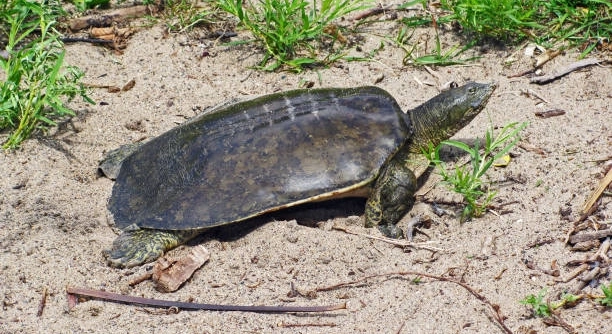
Softshell turtles are fascinating creatures, but their behavior can sometimes raise questions. One common behavior observed is nipping at each other. This action is often a part of their natural interaction, but there may be more to understand.
The primary reason softshell turtles nip at each other is territorial behavior or social interaction. This can include asserting dominance, establishing boundaries, or even courting behavior. Nipping is often part of their communication process within their environment.
Understanding why softshell turtles engage in this behavior will help manage their interactions and improve their overall care.
Why Softshell Turtles Nip at Each Other
Softshell turtles may nip at each other due to various natural behaviors, including territoriality and social interaction. These turtles often share their environment with others, leading to moments of aggression or competition. In the wild, nipping can be a way to assert dominance, ensure access to food, or establish space. This behavior is part of their instinct to survive and thrive in their habitats. In some cases, it can also be a sign of mating behavior, with males attempting to assert their presence to females. Understanding these actions helps in managing their care, especially in captivity.
In captivity, when turtles have limited space or resources, nipping may increase as they try to claim territory. This can lead to stress or injuries if the behavior isn’t addressed properly. It’s important to monitor their interactions closely and provide them with enough room to avoid these conflicts.
To reduce nipping, ensure your softshell turtles have adequate space and hiding places. This helps reduce stress and provides the turtles with places to retreat when they need to. Adjusting their environment is key to fostering peaceful coexistence.
Is Nipping a Sign of Aggression?
Nipping can sometimes be mistaken for outright aggression, but it is often a natural part of turtle communication. Understanding the context behind this behavior is crucial to addressing it effectively.
Softshell turtles may exhibit aggression when they feel threatened, but in many cases, nipping is just an attempt to establish dominance or space. It can be especially common during feeding times when resources are limited. During these moments, turtles may become more territorial and protective of their food. If nipping is frequent, it could indicate that the space or food provided is not sufficient for the number of turtles in the environment. Addressing these factors, such as increasing the number of feeding stations or providing additional shelter, can help ease territorial tensions.
Proper care for softshell turtles involves ensuring they have enough room, resources, and opportunities for social interaction. With these adjustments, their interactions should become less aggressive and more harmonious.
Understanding Softshell Turtle Behavior
Nipping can occur for several reasons, but it’s often tied to the need for space or food. Softshell turtles, especially in smaller environments, may show aggression when they feel their resources are limited. This behavior is natural, but understanding the cause can help in managing it better.
In a crowded tank or enclosure, softshell turtles are more likely to nip at one another as they compete for space, food, or warmth. This competition can be more intense when the turtles are hungry or stressed. Ensuring that each turtle has access to sufficient food and hiding spaces can help minimize this behavior. Space is a crucial factor in reducing territorial disputes. When softshell turtles are provided with adequate room, they are less likely to feel the need to claim territory by nipping at others.
Another factor that contributes to nipping is the social structure of the turtles. In groups, the turtles will naturally establish a hierarchy. Nipping may be part of this process, as individuals assert dominance. Watching for patterns in behavior, such as frequency of nipping or certain turtles being more dominant, can help in creating a more peaceful environment.
Managing Nipping in Captivity
If nipping becomes frequent in your tank, it’s important to step in and make changes to their environment. There are several effective methods that can reduce this behavior and provide a more balanced space for all the turtles.
Increasing the number of hiding spots or creating visual barriers can help reduce conflict. Softshell turtles often nip when they feel threatened or cornered, so providing them with areas where they can retreat will give them more options. Additionally, adding more aquatic plants or objects can serve as both hiding spots and environmental enrichment. This reduces stress and gives each turtle a chance to find comfort in the tank.
Also, ensure that the water temperature and quality are optimal. Poor water conditions can contribute to stress, making turtles more likely to engage in aggressive behaviors. Regular cleaning and monitoring of water parameters, such as pH and temperature, can help maintain a calm and healthy environment, ultimately reducing the likelihood of nipping.
Feeding Practices to Reduce Nipping
Food is often a major factor in nipping behavior. Softshell turtles may nip when competing for food. Ensuring each turtle has its own food space can reduce the chances of conflict.
Providing enough food for all turtles in the tank is essential. This can be achieved by offering separate feeding stations or scattering food in different areas. This helps avoid competition and makes each turtle feel more secure in their environment. By ensuring equal access to food, it’s easier to reduce stress-related behaviors like nipping.
Social Structure and Hierarchy
Turtles establish a hierarchy within their group, and nipping is part of this process. Recognizing these patterns can help in reducing aggressive interactions. Dominant turtles may nip to assert their position.
In captivity, understanding the social structure of your softshell turtles is vital. If nipping becomes a frequent occurrence, you might observe which turtles tend to nip more often. Separating particularly aggressive individuals or redistributing the group can sometimes ease tensions. Introducing turtles of similar size and strength helps prevent power imbalances that could lead to excessive nipping.
FAQ
Why do softshell turtles nip at each other?
Softshell turtles nip at each other for several reasons. It is often tied to territoriality, social interaction, or competition for food. Nipping can be a natural part of their behavior as they establish dominance or assert their space. It can also be a way for males to court females. In the wild, this behavior helps them navigate their environment, while in captivity, it may arise from stress or overcrowded conditions. Understanding the underlying cause can help reduce this behavior.
Is nipping a sign of aggression or something else?
While nipping can look like aggression, it is often a way for turtles to communicate with each other. It’s more about asserting dominance or marking territory rather than actual fighting. It can also happen when they feel threatened or when their space is limited. In some cases, nipping can occur during mating rituals, with males nipping at females to show interest. This doesn’t always lead to serious harm but can become a concern if it escalates.
How can I stop my softshell turtles from nipping?
To stop your softshell turtles from nipping, start by giving them more space. Overcrowding is a common reason for aggressive behavior, so ensuring they have enough room to move freely can significantly reduce stress. Additionally, make sure they have enough hiding spots and territories within the tank. Distributing food in different areas of the enclosure can also help reduce competition, further minimizing the chances of nipping.
Do softshell turtles nip when they’re hungry?
Yes, softshell turtles are more likely to nip when they are hungry. In the wild, competition for food is common, and softshell turtles may exhibit nipping as a way of asserting themselves during feeding times. In captivity, ensure you provide enough food and avoid overcrowding at feeding stations. By offering food in separate areas, each turtle can access it without feeling threatened or needing to compete, which reduces nipping behavior.
Can softshell turtles hurt each other when they nip?
Softshell turtles can cause injury when they nip, especially if the behavior escalates. While mild nipping may not cause significant harm, repeated nipping or aggressive interactions can lead to scratches, bites, or stress. If you notice that nipping is frequent or causing injury, it’s essential to assess the living conditions and make adjustments, such as adding more space or hiding spots, to reduce tension among the turtles.
How can I tell if my softshell turtles are stressed?
Stress in softshell turtles can manifest in various ways. Common signs include a loss of appetite, abnormal behavior, excessive hiding, or a decrease in activity. If your turtles are frequently nipping, it could indicate stress. Another sign is when they stop interacting normally with one another. Stress can stem from overcrowding, improper water conditions, or lack of space. If stress continues, it may lead to more aggressive behavior and health issues.
Can nipping be prevented in softshell turtles?
Nipping can be reduced, but it’s difficult to completely prevent in softshell turtles. Proper tank management plays a key role in minimizing nipping. Ensure that your turtles have enough space to move around, enough hiding spots, and enough food to prevent competition. Keeping the environment clean and ensuring the water temperature is ideal will also help reduce stress. By addressing these factors, nipping can be minimized, though it’s still a natural part of turtle behavior.
Are softshell turtles more likely to nip in captivity than in the wild?
Yes, softshell turtles are more likely to nip in captivity due to the confined space and artificial environment. In the wild, they have more room to spread out and can often avoid conflict by moving to different areas. In a tank or enclosure, they are forced to share limited resources, such as food and space, which can lead to more frequent nipping. Reducing stress and providing an enriched environment can help ease this behavior in captivity.
How often do softshell turtles nip at each other?
The frequency of nipping depends on the individual turtles and their living conditions. In an overcrowded or stressed environment, nipping may occur more often. Turtles may also nip during certain times, such as feeding or when a new turtle is introduced into the tank. If the nipping is frequent or excessive, it could indicate a need to adjust the tank setup or address stress factors.
Can I house different types of turtles together without nipping?
Housing different types of turtles together can increase the likelihood of conflict, including nipping. Each species has its own behavior and territorial instincts, which can lead to stress and aggression. If you want to house different species, it’s important to ensure they have enough space and resources to avoid competition. Close monitoring and separating them if necessary will help prevent nipping and other aggressive behaviors. It’s often safer to house similar species together to reduce conflict.
Final Thoughts
Softshell turtles are fascinating creatures, but their behavior can sometimes be challenging to manage, especially when it comes to nipping. While it is natural for these turtles to nip in certain situations, understanding the reasons behind this behavior is key to reducing it. Whether the cause is territoriality, competition for food, or social interactions, there are ways to minimize the occurrence of nipping. By ensuring your turtles have enough space, proper hiding spots, and ample food, you can reduce stress and avoid the aggressive behavior that often leads to nipping.
In many cases, the environment plays a large role in how softshell turtles interact with each other. Overcrowding and poor tank conditions can heighten stress, which often leads to more frequent nipping. Ensuring that the water temperature is right, maintaining cleanliness, and making sure that the turtles have enough room to move freely will reduce the chances of nipping. Additionally, providing different feeding stations and creating spaces for each turtle to establish its own territory can go a long way in preventing conflict.
It’s important to remember that some level of nipping is normal, especially in a social group. Turtles, like many other animals, establish hierarchies, and nipping is often a way for them to assert dominance. However, if nipping becomes excessive or leads to injuries, it is crucial to reassess the living conditions and make necessary changes. With proper care and attention to their environment, you can ensure that your softshell turtles remain healthy and stress-free, minimizing nipping and promoting a more peaceful habitat.

Hello,
If you enjoy the content that we create, please consider saying a "Thank You!" by leaving a tip.
Every little bit helps us continue crafting quality advice that supports the health, happiness, and well-being of pets around the world, for pets of all shapes, sizes, and species.
We really appreciate the kindness and support that you show us!