
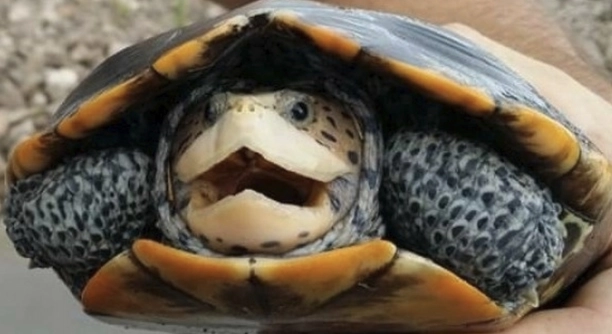
Creating a comfortable and safe traveling setup for your Diamondback Terrapin can be an exciting yet challenging task. Ensuring they are transported properly is crucial for their well-being. This article will guide you through the essential steps.
To create a safe traveling setup for your Diamondback Terrapin, ensure the enclosure is secure and provides ventilation. Use a container with enough space to accommodate your terrapin’s size. Incorporate a water dish, hiding spots, and soft bedding for comfort.
With the right setup, your Diamondback Terrapin can travel comfortably and safely, ensuring a stress-free journey for both of you.
Choosing the Right Container for Your Diamondback Terrapin
When selecting a container for transporting your Diamondback Terrapin, size and safety are your primary considerations. Opt for a container that provides ample space for movement while keeping your pet secure. The container should be well-ventilated, ideally with small holes or mesh to ensure airflow. If your terrapin is small, a plastic container can be a good option, but if it’s larger, consider a sturdier container such as a well-ventilated plastic tub or storage box. Be mindful of any sharp edges in the container that could harm your terrapin.
A secure lid is essential. If you’re using a container with a lid, ensure it fits securely to prevent escape. Make sure to check that the lid doesn’t restrict airflow, as that can be dangerous for your pet. Keeping the terrapin contained and comfortable is your priority.
For extra protection, place soft bedding inside the container. Avoid materials that can be easily consumed, like small wood shavings, as this could lead to accidental ingestion. Instead, use a soft towel or a layer of non-toxic paper towels.
Providing Proper Temperature Control
Temperature control is a key factor in your terrapin’s comfort during travel. Terrapins, like all reptiles, rely on a specific temperature range to stay healthy. Use a portable heating pad or a heat pack designed for pets to maintain a stable temperature inside the container. Avoid placing the heating element directly on the terrapin, as it may overheat or cause burns. Instead, position it beneath the container or on one side to create a warm zone and a cooler zone.
Maintaining proper humidity is also important. The heat source will naturally dry out the air in the container, so you might need to place a shallow dish of water in the enclosure. This will help regulate the humidity levels and keep your terrapin comfortable. Be sure to check the water level periodically and top it off if necessary. The right temperature and humidity will help ensure your pet stays hydrated and stress-free throughout the trip.
Packing Essentials for Your Terrapin
Make sure you have all the essentials packed to support your terrapin during travel. Aside from the container and heating equipment, bring extra water for hydration and a small dish for easy access. Pack some soft, non-toxic bedding to line the bottom of the container. A towel can help provide extra warmth and comfort if needed. Also, remember to carry a travel-friendly food container if your terrapin needs a snack during longer trips. Keeping everything organized will help ensure a smoother transport experience.
Consider packing a few familiar items to make your terrapin feel secure, such as a small piece of their usual habitat. A familiar rock or shell can make a difference. These items provide comfort and reduce the stress of being in an unfamiliar environment. Avoid overcrowding the container, as your terrapin needs space to move around, even when confined. Having a few simple comforts packed will help make the trip easier for both of you.
Keep an eye on the weather, and pack accordingly. If it’s hot outside, avoid leaving your terrapin in the sun for too long. Likewise, if it’s cold, you’ll need to ensure proper insulation. Being prepared will help you adapt to any changes during transport.
Handling Your Terrapin During Travel
Handling your Diamondback Terrapin during travel should be kept to a minimum. Terrapins are sensitive creatures, and excessive handling can stress them out. Once securely placed in their container, avoid opening it frequently. This gives your terrapin the chance to relax and adjust to its environment. Only handle your terrapin if necessary, such as for a quick check on their well-being.
When you do need to handle your terrapin, make sure your hands are clean and dry. Avoid picking them up too roughly. Gently support them under their body, ensuring you don’t cause any discomfort. If you need to move them, ensure the process is smooth and calm to avoid any sudden movements that could startle them. The less handling, the better it is for their stress levels.
In some cases, it may be a good idea to place a towel or blanket over the container during the trip to minimize disturbances. This darkened space may help your terrapin feel more secure.
Monitoring Your Terrapin’s Health During Travel
Keep an eye on your terrapin throughout the trip. Check for signs of distress, such as heavy breathing or excessive movement. If your terrapin seems uncomfortable, ensure the container’s temperature and humidity are in the proper range. If necessary, stop to give them a break.
During the trip, limit noise and sudden movements around the container. Stress can quickly affect your terrapin’s health. If you notice any signs of discomfort, provide a calm, quiet environment. A gentle touch or even a soft voice may reassure them. Pay attention to their needs and make adjustments as needed.
Avoiding Common Transport Mistakes
One of the most common mistakes when transporting a Diamondback Terrapin is leaving them in a poorly ventilated container. Lack of air circulation can cause overheating or make your terrapin anxious. Always ensure there is sufficient airflow, either through mesh or small ventilation holes.
Another mistake is failing to adjust the temperature based on your terrapin’s needs. If it’s too cold or hot, your pet may not be comfortable, leading to stress. Check the container regularly, especially when traveling long distances, to ensure the temperature is stable. This will make the travel much easier for both of you.
Settling Your Terrapin After the Trip
Once you arrive at your destination, gently place your terrapin in a safe, quiet area. Allow them time to adjust to their new environment. Avoid sudden movements or loud noises that could make them feel threatened. Keep their enclosure clean and ensure there’s enough water available.
FAQ
How long can my Diamondback Terrapin stay in a container during travel?
Your Diamondback Terrapin can generally stay in a container for up to 24 hours without issues, provided the temperature and humidity are kept in check. Longer trips may require more frequent breaks for hydration and temperature checks. It’s important to monitor them closely during travel to avoid any discomfort or stress.
What should I do if the temperature rises too high during transport?
If the temperature rises too high, your terrapin could become stressed or even suffer from heat exhaustion. To cool things down, you can use a portable fan or move the container to a cooler area. Also, adjust the position of the heating element to maintain balance between warmth and comfort. Be sure to provide enough water for hydration.
Is it safe to feed my terrapin while traveling?
Feeding your terrapin during travel can be done, but it’s best to keep it light. You can offer small pieces of food, such as leafy greens or soft fruit, but avoid giving them a full meal while on the move. This prevents digestive issues or stress caused by a full stomach. Offer food only if the trip will last several hours.
Can I use my regular aquarium as a travel container?
Your regular aquarium might not be the best option for transport. Aquariums tend to be heavier, less portable, and may not offer proper ventilation for travel. Instead, use a smaller, secure, and more portable container. A plastic storage box with ventilation holes can serve as an ideal travel enclosure.
What bedding is best for my terrapin’s travel container?
For bedding, soft materials like towels or non-toxic paper towels are ideal. These provide comfort and prevent injury during travel. Avoid using wood shavings or other small materials that could be ingested or cause discomfort. Make sure the bedding is clean and dry to keep your terrapin comfortable.
How do I keep my terrapin hydrated during the trip?
Hydration is key during transport. Place a shallow water dish in the travel container to allow your terrapin to drink as needed. If the trip is long, check the water level regularly and refill it as needed. It’s important to keep the water clean and free from debris to ensure safe drinking.
How do I keep my terrapin safe from escape during travel?
To prevent escape, use a tightly secured container with a lid. Ensure the lid fits snugly and does not easily come off during travel. A plastic tub with snap-on locks or a secure, mesh-covered enclosure is ideal. Regularly check the container to ensure there are no gaps or openings that your terrapin could slip through.
Should I cover the container to reduce stress?
Covering the container with a towel or cloth can help reduce stress by providing a sense of security. The darkness helps your terrapin feel more comfortable and less exposed to external stimuli. Make sure the cover allows for adequate ventilation, so the air circulation remains steady and your terrapin doesn’t overheat.
Can I travel with my terrapin by car?
Yes, traveling by car is a safe option as long as you take the necessary precautions. Keep the container secure and avoid placing it in areas where it could slide around or be exposed to direct sunlight. Keep the car temperature stable, and avoid loud noises or sudden movements that could stress your terrapin.
What if my terrapin becomes stressed during travel?
If your terrapin shows signs of stress, such as excessive movement, heavy breathing, or lack of appetite, make sure to stop and check on them. Offer a calm, quiet environment and adjust the temperature or humidity as needed. If the stress persists, consult a veterinarian once you arrive at your destination for advice.
How do I ensure my terrapin’s safety in unfamiliar environments?
When you arrive at a new location, immediately place your terrapin in a safe, secure area. Set up their temporary enclosure with proper temperature, humidity, and water levels. Avoid introducing them to unfamiliar pets or loud noises that could cause anxiety. Give them time to adjust and settle into their new surroundings.
Can I use a heat pack to maintain temperature during travel?
Yes, heat packs are an effective way to maintain temperature during transport. Make sure to choose a heat pack designed for pets, and always place it under the container or in a way that does not directly heat the terrapin. Monitor the temperature regularly to avoid overheating.
What should I do if my terrapin won’t eat after traveling?
If your terrapin refuses to eat after travel, it could be a sign of stress or discomfort. Ensure they have a quiet and comfortable environment to adjust to. Offer familiar food items and try to tempt them with soft vegetables or fruits. If they continue to refuse food, consult a veterinarian to rule out health issues.
Final Thoughts
Creating a safe and comfortable travel setup for your Diamondback Terrapin requires careful preparation and attention to their needs. Keeping the travel container secure and properly ventilated is crucial. It’s important to ensure that your terrapin has enough space to move around and that the temperature and humidity levels are carefully monitored. Regular checks during the trip help to keep them comfortable and reduce stress. Remember that a calm and quiet environment can make a big difference in how well your terrapin tolerates travel.
While traveling, it is essential to avoid overfeeding and to keep water readily available. Keeping the travel time short and giving your terrapin breaks will help minimize any discomfort. Make sure the container is equipped with bedding that provides a stable and safe environment for your terrapin to rest in. Always be prepared for any unexpected changes in temperature or humidity, and adjust the setup as needed. By planning ahead, you can ensure a smooth and stress-free experience for both you and your terrapin.
In conclusion, transporting a Diamondback Terrapin doesn’t have to be a stressful task if you take the proper precautions. By understanding their needs and ensuring they are kept safe, comfortable, and hydrated, you can create a travel setup that makes the journey easier. Careful monitoring and attention to their well-being during the trip are key to a successful outcome. Whether you’re traveling for a short distance or a longer journey, following these tips will help you maintain your terrapin’s health and comfort throughout the process.

Hello,
If you enjoy the content that we create, please consider saying a "Thank You!" by leaving a tip.
Every little bit helps us continue crafting quality advice that supports the health, happiness, and well-being of pets around the world, for pets of all shapes, sizes, and species.
We really appreciate the kindness and support that you show us!