
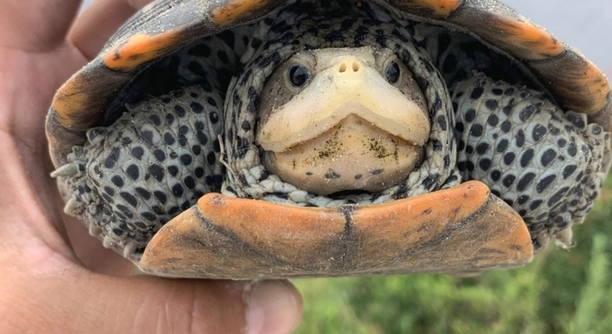
Diamondback terrapins are fascinating creatures known for their calm nature and beauty. Keeping them in a large community tank offers numerous benefits for both the terrapins and their tank mates. Here are seven reasons why this setup works.
A large community tank allows diamondback terrapins to thrive by providing ample space, a more natural environment, and social interaction. These factors can enhance their health, reduce stress, and support the growth of beneficial microorganisms, improving their overall well-being.
There are many advantages to this approach, and understanding the benefits will ensure the best care for your terrapins.
More Space for Healthy Growth
A larger tank offers diamondback terrapins more space to move around, which is vital for their physical development. In smaller tanks, they can feel confined, which may cause stress and hinder growth. The more room available, the healthier they can grow, as they have space to explore and exercise. This helps prevent issues such as obesity and shell deformities. The space also makes it easier to maintain water quality, as larger tanks dilute waste and toxins better. The addition of plants and hiding spots can further enrich the environment, allowing terrapins to feel safe and secure while swimming.
A spacious tank mimics the terrapins’ natural habitat, encouraging healthier behaviors and improving their overall health.
Terrapins benefit from the opportunity to explore their environment, which keeps them physically and mentally stimulated. A large community tank promotes positive social behavior, allowing them to interact with other species, which encourages natural instincts and increases activity levels.
Encourages Natural Social Behavior
Terrapins are social creatures. Keeping them in a large community tank allows them to interact with each other, promoting natural behaviors like basking together, foraging, and exploring. Socializing with other terrapins or even compatible species offers mental stimulation and reduces the risk of boredom, which can lead to aggression or other behavioral problems.
In a smaller tank, terrapins may become territorial and stressed due to the lack of social interaction. A large community tank, on the other hand, provides the space needed for them to form bonds and feel more comfortable. This reduces anxiety and supports positive behaviors.
Additionally, being in a tank with multiple species can help diamondback terrapins develop better social skills. Interacting with tank mates helps them learn to share space, navigate different personalities, and establish social hierarchies. It enhances their well-being and can prevent destructive behavior that may result from isolation or stress.
Improved Water Quality
With more space in a larger tank, water quality improves, which is essential for the health of your terrapins. In smaller tanks, waste can accumulate quickly, leading to poor water quality and an increased risk of diseases. Larger tanks can handle more waste, providing a more stable environment.
When the water quality is maintained, it reduces the need for frequent water changes and minimizes the risk of harmful bacteria. The larger the tank, the easier it is to install filtration systems that can better manage the water, keeping it cleaner for longer periods. This helps in preventing shell rot and other waterborne illnesses.
Proper water conditions are critical for diamondback terrapins. They thrive in clean, well-oxygenated water. Larger community tanks help maintain these conditions, providing terrapins with a healthier environment where they can thrive and grow without the threat of contaminants. The overall stability of the tank contributes to a long, healthy life for your terrapins.
Promotes Natural Foraging
In a larger tank, terrapins have more room to explore and forage. A spacious environment mimics their natural habitat, allowing them to search for food, hide in plants, or investigate different areas. This encourages them to engage in natural behaviors, which helps maintain their physical and mental health.
A large community tank provides an opportunity for terrapins to practice hunting and scavenging behaviors. These activities reduce stress and keep them active, improving their overall well-being.
Enhanced Tank Aesthetics
A larger tank offers the chance to create a more visually appealing habitat with plants, rocks, and decorations. Adding a variety of elements not only provides hiding spots and enrichment for the terrapins but also creates a more naturalistic setting. This enhances the beauty of the tank.
The aesthetic appeal of a well-decorated, spacious tank can also be soothing for you as a caretaker. You can enjoy watching the terrapins interact with their environment, providing both relaxation and a sense of accomplishment. A thoughtfully arranged tank makes it easier to replicate the terrapins’ natural surroundings while maintaining a functional aquatic environment.
FAQ
How many diamondback terrapins can live in a large community tank?
The number of diamondback terrapins that can comfortably live in a community tank depends on the size of the tank. A good rule of thumb is to have at least 10-20 gallons of water per terrapin. For example, a 75-gallon tank could house 3 to 4 terrapins, but it’s important to monitor their behavior and water quality regularly. Overcrowding can lead to stress and health issues, so always consider the space needed for them to move freely.
Can diamondback terrapins live with other species in a community tank?
Yes, diamondback terrapins can live with other species, but it’s important to choose compatible tank mates. Species like other non-aggressive turtles, certain fish, or aquatic plants can make great companions. Avoid pairing them with aggressive species or fish that could become prey. Always observe the interactions to ensure they coexist peacefully.
What kind of water do diamondback terrapins need in a community tank?
Diamondback terrapins require brackish water, a mix of freshwater and saltwater. It’s crucial to maintain the proper salinity level, usually between 1.008 and 1.012 specific gravity, depending on the species. A good water filtration system is essential to keep the tank clean, as terrapins can produce a lot of waste. Regular water changes are also necessary for optimal water conditions.
How can I ensure the water quality is always good in a large tank?
Maintaining water quality in a large tank involves regular monitoring and proper filtration. Use a high-quality filter designed for the size of your tank to handle waste efficiently. Additionally, you should test the water for ammonia, nitrites, and pH levels. Performing partial water changes weekly helps prevent the buildup of harmful substances. Ensure the temperature is stable, as diamondback terrapins thrive in water between 75 and 80°F.
Do diamondback terrapins need a basking area in a community tank?
Yes, diamondback terrapins require a basking area where they can climb out of the water to dry off and absorb heat. This helps them regulate their body temperature and prevents health issues like shell rot. In a large tank, providing a basking platform or a sloped area that leads to dry land is ideal. Ensure the basking area is large enough to accommodate all the terrapins in the tank.
How often should I feed my diamondback terrapins in a large community tank?
Diamondback terrapins typically eat once a day or every other day, depending on their age and activity level. They are omnivores, so their diet should include a mix of protein sources like fish, insects, and plants. Be mindful of overfeeding, as excess food can pollute the water and affect its quality. Remove any uneaten food promptly to keep the tank clean.
What temperature should the water be in a community tank for diamondback terrapins?
Diamondback terrapins prefer a water temperature between 75-80°F (24-27°C). You can use a water heater with a thermostat to maintain a stable temperature, especially in colder months. If the water is too cold, it can lead to lethargy and health issues, while temperatures that are too high may cause stress or dehydration.
Can I use salt in the tank for diamondback terrapins?
Yes, a small amount of salt is necessary to maintain the proper salinity for diamondback terrapins. You can use aquarium salt, but it’s important to monitor the salinity levels carefully to ensure they are within the recommended range for your species of terrapin. Too much salt can harm the terrapins, so avoid adding salt without testing the water regularly.
How do I manage algae in a large community tank?
Algae growth is common in aquariums but can be controlled with proper care. Regular water changes and keeping the tank clean are essential. Limiting the amount of light your tank receives can also reduce algae growth. If algae becomes an issue, consider adding algae-eating species like certain types of fish. Use a scrub brush to remove visible algae from the tank surfaces as well.
Are diamondback terrapins active during the day or night?
Diamondback terrapins are primarily diurnal, meaning they are most active during the day. They spend time swimming, basking, and foraging for food during daylight hours. At night, they tend to rest and are less active. It’s important to provide them with a proper light cycle, with around 12 hours of light and 12 hours of darkness, to simulate natural conditions.
Can I put plants in the tank with diamondback terrapins?
Yes, adding plants to the tank is beneficial for both the terrapins and the overall ecosystem of the tank. Plants provide hiding spots, contribute to water filtration, and offer terrapins a natural place to forage. However, be sure to select hardy plants that can withstand the activities of the terrapins, as they may occasionally nibble on them. Live plants like anubias, java ferns, and duckweed are popular choices.
What should I do if my diamondback terrapin isn’t eating?
If your diamondback terrapin isn’t eating, check for signs of illness or stress. Ensure the water temperature and quality are optimal, as these factors can influence their appetite. Terrapins can become stressed by poor water conditions, tank mates, or even lack of variety in their diet. If the lack of appetite persists for more than a few days, consider consulting a veterinarian.
Final Thoughts
Keeping diamondback terrapins in a large community tank offers a range of benefits, not only for the terrapins but also for the owner. A spacious tank encourages natural behaviors such as foraging and swimming, which helps maintain their physical and mental health. It allows for better water quality management, which is crucial for the health of the terrapins. Additionally, a larger tank provides more room for decorations and plants, making the tank both visually appealing and functional. Overall, a large community tank supports the well-being of the terrapins and provides an enriching environment for both the animals and their caretakers.
However, maintaining a large community tank requires careful planning and regular attention. Choosing compatible tank mates is essential to prevent aggression and ensure all species live peacefully. Water quality and temperature need to be monitored consistently, as these factors directly impact the health of the terrapins. It is also important to feed the terrapins a varied diet and remove any uneaten food promptly to keep the water clean. With proper care, the tank will thrive, and the terrapins will have a more natural and healthier living space. Regular tank maintenance, including water changes and cleaning, is essential for long-term success.
In conclusion, the benefits of keeping diamondback terrapins in a large community tank are clear. Not only do they have more space to exhibit natural behaviors, but the tank also allows for a more aesthetically pleasing and functional setup. While the tank requires regular maintenance, the reward is a healthy and happy terrapin community. The effort and time spent on creating and maintaining the tank will ultimately lead to a better living environment for the terrapins and a more enjoyable experience for the owner.

Hello,
If you enjoy the content that we create, please consider saying a "Thank You!" by leaving a tip.
Every little bit helps us continue crafting quality advice that supports the health, happiness, and well-being of pets around the world, for pets of all shapes, sizes, and species.
We really appreciate the kindness and support that you show us!