
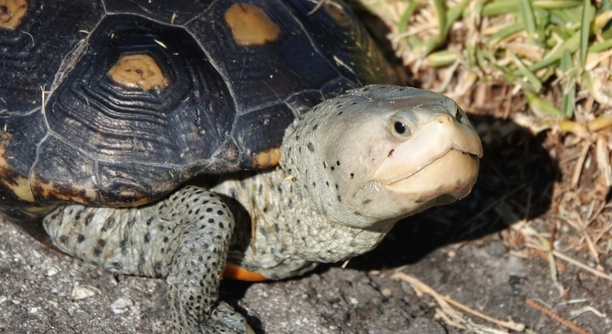
If you’re caring for a Diamondback Terrapin, keeping an eye on its health is essential. Knowing how to spot potential problems can help you act quickly and provide your pet with the best care possible.
A sick Diamondback Terrapin may show signs such as lack of appetite, lethargy, swollen eyes, or irregular shell growth. It is crucial to identify these symptoms early to ensure proper treatment and prevent further complications.
Being aware of the early signs of illness is key to maintaining your Terrapin’s health. Keep reading to learn more about these warning signs and what actions to take when they appear.
Loss of Appetite in Your Diamondback Terrapin
A loss of appetite is one of the first signs that something might be wrong with your Diamondback Terrapin. Healthy Terrapins are usually eager to eat, whether it’s their regular diet or occasional treats. If your Terrapin suddenly refuses food or eats significantly less than usual, it can indicate stress, illness, or improper tank conditions. Stress factors, such as loud noises or new tank mates, could reduce appetite. Likewise, improper temperature, water quality, or lighting can impact digestion, causing your Terrapin to stop eating.
Pay close attention to any changes in feeding behavior. When your Terrapin stops eating, it’s important to evaluate its environment first. Check the water temperature and ensure it’s within the ideal range. Verify that the water is clean, free of chemicals, and has the right pH balance. These changes can help ease any discomfort your Terrapin might be experiencing. If the problem persists, consider seeking advice from a reptile vet.
Addressing the environment and stress levels is the first step in encouraging your Terrapin to eat again. However, if these changes don’t work, further investigation into health issues might be necessary. Keep monitoring your pet’s behavior closely to ensure it gets the right care.
Swollen or Watery Eyes
Swollen or watery eyes in your Diamondback Terrapin are a concern. This could be due to an infection, poor water quality, or an injury. If your Terrapin’s eyes appear cloudy, inflamed, or seem to be producing excessive mucus, it’s time to act.
Eye problems can often be caused by the water conditions in your Terrapin’s tank. Dirty water or incorrect pH levels can cause irritation, leading to swelling or discharge. Sometimes, the symptoms are linked to respiratory infections, which might also affect other parts of the body, including the nose and mouth. It’s important to inspect the water quality frequently and make sure that any filtration system is functioning properly.
If the issue persists despite clean water, it may indicate an infection or other health issues requiring medical attention. Keep a close watch on your Terrapin’s eyes. If there’s no improvement, take your pet to a reptile vet who can diagnose the problem accurately and recommend treatment. Swift action can prevent further complications.
Lethargy and Decreased Activity
Lethargy in your Diamondback Terrapin is a clear sign that something isn’t right. Terrapins are naturally active, spending time swimming, basking, or foraging. If your pet becomes unusually sluggish, it could be a health issue or environmental concern.
A Terrapin that refuses to move, stays in one spot, or shows a lack of interest in its surroundings may be suffering from stress, illness, or improper water temperature. Low water temperatures can cause them to become sluggish, as they are cold-blooded reptiles. Make sure the water is within the recommended temperature range for your pet’s species. Check if any changes in the tank environment, like new objects or tank mates, could be affecting its behavior.
If your Terrapin shows prolonged lethargy, and the temperature or environment doesn’t seem to be the problem, there may be an underlying infection or internal issue. A visit to the vet can help address potential health concerns before they worsen.
Shell Problems and Irregular Growth
A healthy shell is an important indicator of your Diamondback Terrapin’s overall health. Abnormalities like softening, cracks, or irregular growth should be taken seriously.
Shell problems can stem from various factors, including poor diet, calcium deficiency, or an inadequate basking area. If the shell appears soft or shows visible damage, it might be due to a lack of proper nutrition or insufficient UVB exposure, which is vital for calcium absorption. Ensure your Terrapin has access to a proper basking spot, with enough warmth and UVB light to promote healthy shell development.
Improper diet can also contribute to poor shell health. Without the right balance of nutrients, your Terrapin may develop deformities or a weakened shell. If you notice changes like these, it’s best to reassess the diet and lighting conditions immediately. If the problem persists, consult a veterinarian to avoid further complications and ensure your pet’s long-term well-being.
Swollen Limbs or Puffiness
Swollen limbs or puffiness can be a sign that your Diamondback Terrapin is dealing with a health issue. This could point to a bacterial infection, a vitamin deficiency, or an injury.
If you notice swelling in the legs or other parts of the body, it’s important to act quickly. Swelling can indicate that your pet is struggling with fluid retention or infection. Injuries, infections, or poor water quality may cause this condition. Make sure the tank water is clean and the temperatures are correct for your pet. If the swelling doesn’t go down, seek help from a vet.
Respiratory Issues and Open-Mouth Breathing
Terrapins should not be constantly breathing with their mouths open. If you notice this, it could be a sign of respiratory issues. This can be caused by poor water quality, an infection, or improper humidity levels.
Respiratory problems can develop when the water is dirty or not at the right temperature, making it harder for your Terrapin to breathe properly. You may also notice other signs like wheezing or bubbling around the nose. It’s essential to clean the tank regularly, adjust the temperature, and make sure the humidity is appropriate. If symptoms persist, a vet’s visit is needed.
Inability to Submerge
If your Diamondback Terrapin struggles to stay submerged in water, it’s concerning. Difficulty submerging could indicate buoyancy issues related to its health, often linked to problems with its shell or internal organs. It could be a sign of metabolic bone disease or respiratory infections.
Terrapins need to be able to swim and dive naturally. If this behavior changes, check the water temperature and quality first. If everything is normal but the issue continues, it may point to something more serious. A visit to the vet is crucial for diagnosing and treating potential internal problems.
FAQ
What should I do if my Diamondback Terrapin isn’t eating?
If your Terrapin stops eating, the first step is to check the water conditions. Ensure the temperature is within the right range for your species, as incorrect temperatures can cause digestive issues. Also, check the water quality for cleanliness and balance. If you recently changed the tank setup or added new tank mates, this could also be causing stress, which affects appetite. Sometimes, illness or infections can lead to a decrease in appetite. If your Terrapin continues not to eat for several days, it’s best to visit a vet for an examination.
How can I tell if my Diamondback Terrapin is sick?
A sick Diamondback Terrapin might show several signs. These can include changes in behavior, such as lethargy, difficulty moving, or not eating. You might notice swollen eyes, shell abnormalities, or respiratory problems like open-mouth breathing. Additionally, if your pet shows signs of excessive mucus around its nose or mouth, or if it struggles to stay submerged in water, it could indicate illness. It’s crucial to act quickly when you notice these changes and consult a vet if needed.
What is the best temperature for a Diamondback Terrapin?
Diamondback Terrapins thrive in warm environments. The water temperature should range between 72°F and 82°F (22°C to 28°C). A basking spot should be around 85°F to 95°F (29°C to 35°C), providing warmth for digestion and overall health. Ensure that the basking area is under a UVB light to help with calcium absorption. Proper heating is essential for your Terrapin’s digestion and overall well-being. Too cold or too warm conditions can cause stress and health problems, so maintain consistent and ideal temperatures.
Can poor water quality affect my Diamondback Terrapin’s health?
Yes, poor water quality can seriously affect your Diamondback Terrapin’s health. If the water is dirty or has an imbalance in pH or ammonia levels, it can lead to skin infections, eye issues, and respiratory problems. Dirty water also affects the Terrapin’s digestion, causing stress and preventing it from properly absorbing nutrients. It’s vital to change the water regularly and maintain a filtration system that keeps the water clean. Regular water testing is also a good practice to ensure everything is balanced.
Why is my Diamondback Terrapin’s shell soft?
A soft shell can be a sign of calcium deficiency or metabolic bone disease. If your Terrapin isn’t getting enough calcium from its diet or isn’t exposed to proper UVB light, it may struggle to develop a strong shell. A soft shell can also result from poor water conditions, making it harder for your Terrapin to absorb nutrients. Ensure that your pet has a diet rich in calcium and access to UVB light. If the soft shell persists, it’s essential to consult a vet for treatment.
How do I know if my Diamondback Terrapin has a respiratory infection?
Signs of a respiratory infection in a Diamondback Terrapin include open-mouth breathing, wheezing, and excessive mucus around the nose or mouth. If your Terrapin is having trouble breathing or if its eyes are swollen and watery, these could be signs of an infection. Respiratory issues are often caused by poor water quality, incorrect temperatures, or exposure to drafts. If your Terrapin shows any of these symptoms, it’s crucial to visit a vet for diagnosis and treatment as respiratory infections can worsen quickly.
Can stress cause illness in my Diamondback Terrapin?
Yes, stress can lead to various health problems in your Diamondback Terrapin. Stress can be caused by factors like overcrowding in the tank, sudden changes in environment, or aggressive tank mates. It can lead to poor eating habits, lethargy, and weakened immune systems, making your Terrapin more susceptible to infections. Providing a stable, calm environment with appropriate tank mates, proper temperature, and hiding spots will help reduce stress. If your pet’s behavior changes due to stress, address the source of the issue as soon as possible.
How do I prevent my Diamondback Terrapin from getting sick?
Prevention is key to maintaining a healthy Diamondback Terrapin. Make sure your pet’s tank is kept clean, the water temperature and pH levels are balanced, and the UVB lighting is working correctly. Provide a proper diet with the right nutrients, including calcium and vitamin D3, to promote healthy shell growth. Minimize stress by avoiding overcrowding and sudden changes in the tank. Regularly monitor your Terrapin for any signs of illness, and address any concerns promptly to prevent problems from escalating. Regular vet check-ups can also help maintain good health.
Why is my Diamondback Terrapin not swimming?
If your Diamondback Terrapin is not swimming, it could be due to several factors. Sometimes, buoyancy problems arise from respiratory issues, injury, or internal health problems. Shell problems or metabolic bone disease can also affect swimming. Additionally, poor water quality or improper temperature can make your Terrapin sluggish and prevent it from swimming. First, check the water conditions and make sure they are optimal. If everything seems fine, consider getting your Terrapin examined by a vet for possible health issues.
Can I treat my Diamondback Terrapin’s illness at home?
In some cases, minor issues like stress or small injuries can be treated at home by adjusting the tank environment and offering a balanced diet. However, if your Diamondback Terrapin shows signs of a serious illness, such as respiratory problems, swollen limbs, or soft shell, it’s important to consult a vet. Reptiles can hide their symptoms for a long time, so it’s better to seek professional care early to avoid complications. Always prioritize your pet’s well-being and don’t hesitate to get help when needed.
Final Thoughts
Taking care of a Diamondback Terrapin involves paying close attention to its health and well-being. Like all pets, Terrapins can experience illness or discomfort, and it’s important to be aware of the signs that indicate something might be wrong. Symptoms such as changes in appetite, lethargy, eye problems, or shell abnormalities should not be ignored. Early detection can make a big difference in how quickly and effectively health issues are addressed. With proper care, your Diamondback Terrapin can live a long and happy life, so being proactive is key.
Ensuring your Terrapin’s environment is healthy is essential. This includes maintaining the correct water temperature, water quality, and providing adequate UVB lighting. Terrapins are sensitive to changes in their environment, so consistency is important. When their environment is well-maintained, it reduces the likelihood of stress, which can lead to health problems. Make sure to regularly clean the tank, check the water parameters, and give your pet plenty of space to swim and bask. Taking these steps can help prevent illness and encourage good health.
If you notice any of the signs discussed in this article, don’t hesitate to make changes to your Terrapin’s care routine or seek professional help. Many health issues are preventable or treatable if caught early, so paying attention to small changes in behavior or appearance is essential. Regular vet check-ups are also important for keeping your Terrapin healthy and ensuring it receives the right care throughout its life. By being attentive and proactive, you can provide the best care for your Diamondback Terrapin.

Hello,
If you enjoy the content that we create, please consider saying a "Thank You!" by leaving a tip.
Every little bit helps us continue crafting quality advice that supports the health, happiness, and well-being of pets around the world, for pets of all shapes, sizes, and species.
We really appreciate the kindness and support that you show us!