
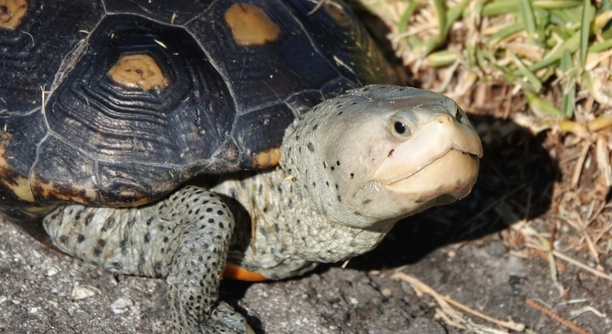
Diamondback terrapins are fascinating creatures, and as pet owners, it’s important to understand how to keep them healthy. One key to their well-being is providing them with a balanced diet that meets their specific needs.
A balanced diet is essential for the overall health of diamondback terrapins. Without the right nutrients, they can develop health problems that affect their growth, immune system, and longevity. Proper nutrition ensures a long, healthy life.
Knowing what to feed your terrapin and why it’s important can help you provide the best care possible. This article will help guide you through the vital components of a balanced diet.
The Importance of Protein for Diamondback Terrapins
Protein is an essential nutrient for diamondback terrapins as it supports their growth, energy, and muscle development. Young terrapins especially require higher amounts of protein to grow properly, while adults still need it for their overall health. Protein can be found in various food sources, such as fish, worms, and commercial pellets. The right balance is necessary to avoid overfeeding, which could lead to obesity or kidney issues.
Protein-rich foods like shrimp and earthworms are great options. When feeding, ensure the size of the food matches their age and size. Too much protein in older terrapins can create long-term health problems. Moderation is key.
An imbalance in protein intake can result in either stunted growth or excessive fat buildup. Terrapins need a variety of food sources, not just protein. Offering them a well-rounded diet that includes both plant and animal proteins supports their natural nutritional needs and encourages optimal health. Make sure to adjust their diet as they grow to meet their changing requirements.
The Role of Calcium in Bone Health
Calcium is vital for the bone development and strength of diamondback terrapins. Without it, they are more likely to suffer from weakened shells and fractures.
To provide enough calcium, consider feeding them cuttlebone or calcium-enriched foods like kale. This can prevent health issues down the line.
The Benefits of Vegetables in Their Diet
Vegetables provide essential vitamins and fiber to support your terrapin’s health. Leafy greens like lettuce, collard greens, and dandelion greens are excellent choices. They help maintain healthy digestion and provide vitamins A and K.
Feeding a variety of vegetables ensures your terrapin gets the nutrients needed for their immune system and overall health. Vegetables also contribute to hydration since many contain a lot of water, which helps keep them properly hydrated. Be mindful of the types of vegetables, though, as some, like spinach, should be fed in moderation due to their high oxalate content, which can affect calcium absorption.
Incorporating vegetables into their diet is a simple and effective way to ensure they receive important nutrients. Offering a mix of leafy greens, aquatic plants, and other veggies will keep their diet interesting and nutritionally balanced. Avoid feeding them iceberg lettuce, as it has little nutritional value. Always wash vegetables thoroughly to remove any pesticides or harmful chemicals that could affect your terrapin.
Why Carbohydrates Matter for Diamondback Terrapins
Carbohydrates offer a primary energy source for diamondback terrapins. Whole grains and fruits can provide the fuel needed for daily activities. A balanced intake of carbohydrates helps keep their energy levels steady.
Fruits like strawberries, blueberries, and bananas can be a healthy addition to their diet, providing natural sugars that fuel their active lifestyle. However, it’s important not to overdo it since fruits can be high in sugar. Offer them as a treat rather than a regular part of their meals. Too many sugary foods can lead to weight gain and other health issues.
The Importance of Proper Hydration
Water is essential for a diamondback terrapin’s health. Keeping them hydrated supports digestion, regulates their body temperature, and helps maintain their overall well-being. Always make sure your terrapin has access to clean, fresh water.
A water dish should be provided large enough for them to soak comfortably. Changing the water daily helps prevent the growth of harmful bacteria. You can also add aquatic plants to their habitat, which will encourage them to drink more often.
Treating Your Terrapin to Occasional Treats
Offering occasional treats like insects, earthworms, or fruit is a great way to enrich their diet. Treats should make up no more than 10-15% of their total diet.
This helps prevent overfeeding and keeps their meals balanced while giving them variety and excitement.
FAQ
How often should I feed my diamondback terrapin?
You should feed your diamondback terrapin every day if they are young and growing. Adult terrapins typically only need to be fed every other day. Young terrapins have higher energy needs, and they will eat more frequently, while adults require fewer calories. Always monitor their weight and health to adjust feeding schedules accordingly.
What foods are toxic to diamondback terrapins?
Avoid feeding your terrapin foods like avocado, onions, garlic, or any citrus fruits, as these can be harmful. These foods contain compounds that can lead to severe health issues, including kidney damage. Stick to safe foods like leafy greens, fish, and other appropriate vegetables.
Can I feed my diamondback terrapin store-bought food?
Yes, you can feed them commercial turtle pellets or other store-bought options. Look for pellets that contain high-quality protein and calcium. These foods are a convenient option to ensure your terrapin gets balanced nutrition. However, they should not be the only part of their diet. Variety is essential for optimal health.
Are aquatic plants important in their diet?
Yes, aquatic plants are crucial for a balanced diet. They provide natural vitamins, minerals, and fiber that support digestion. Many diamondback terrapins enjoy foraging through plants in their habitat. Plants like water lettuce, water hyacinth, and anacharis are all good options for your terrapin to snack on.
Can I feed my diamondback terrapin meat?
Yes, terrapins are omnivores, and they can eat small amounts of meat. Fish, earthworms, and insects are great sources of protein for them. However, meat should not be the main component of their diet. Balance it out with vegetables, aquatic plants, and other plant-based foods to ensure they get all the necessary nutrients.
How do I know if my terrapin is eating properly?
If your terrapin is active, maintains a healthy weight, and has a smooth, shiny shell, they are likely eating well. If they are losing weight, becoming lethargic, or their shell appears unhealthy or soft, it could indicate an improper diet. Regularly observe their behavior and shell condition for signs of health.
How do I provide a varied diet for my terrapin?
To provide variety, rotate different types of food such as various greens, vegetables, fruits, and proteins. Include both plant-based and animal-based foods in their diet. Offering a mix of food types will help keep your terrapin interested in meals and ensure they get a wide range of nutrients.
Can I feed my terrapin fruit every day?
Fruit should be given in moderation. Although it’s a tasty treat, fruit is high in sugar and should not make up a large part of their diet. Offering fruit once or twice a week as a snack is sufficient. Stick to small portions, as too much sugar can cause obesity or other health issues.
How can I ensure my terrapin is getting enough calcium?
Calcium is essential for a healthy shell and bones. To ensure your terrapin gets enough calcium, provide calcium-rich foods like kale, collard greens, and calcium supplements. You can also add cuttlebone to their habitat, which they can nibble on to maintain their calcium intake.
Is it okay to feed my terrapin the same food every day?
Feeding your terrapin the same food every day is not ideal. It can lead to nutritional deficiencies, as different foods provide various nutrients. Offering a variety of foods ensures they get a balance of vitamins, minerals, and proteins. Make sure to rotate their meals to prevent boredom and promote overall health.
How can I tell if my terrapin is overweight?
An overweight terrapin may have a visibly enlarged body or difficulty moving. If their shell appears rounder than usual or they seem lethargic, they may be carrying excess weight. Overfeeding, particularly with high-fat foods like some meats or sugary fruits, can contribute to obesity. Ensure their diet is balanced and avoid excessive treats.
Final Thoughts
Providing a balanced diet for your diamondback terrapin is essential for its overall health and well-being. By offering a mix of protein, vegetables, fruits, and calcium-rich foods, you help ensure that your terrapin gets the right nutrients to grow, stay active, and thrive. A well-balanced diet not only promotes physical health but also boosts the immune system, helping your terrapin fight off diseases and live a long, happy life.
While it’s important to feed your terrapin a variety of foods, be mindful of the types and amounts you provide. Some foods should be given in moderation, such as fruits, which are high in sugar, or protein, which can lead to obesity if overfed. It’s best to adjust their diet based on age and activity level, with younger terrapins requiring more frequent feedings and adults eating less. Always remember that hydration is just as important as nutrition, so keep fresh water available at all times to support their digestion and general health.
By following these basic feeding guidelines and paying attention to your terrapin’s individual needs, you can provide them with the best care possible. If you notice any signs of poor health, such as a lack of appetite or a soft shell, it’s important to reassess their diet and consult with a veterinarian if needed. Keeping a balanced and varied diet will help your diamondback terrapin lead a healthy, active life, allowing them to flourish in your care.

Hello,
If you enjoy the content that we create, please consider saying a "Thank You!" by leaving a tip.
Every little bit helps us continue crafting quality advice that supports the health, happiness, and well-being of pets around the world, for pets of all shapes, sizes, and species.
We really appreciate the kindness and support that you show us!