
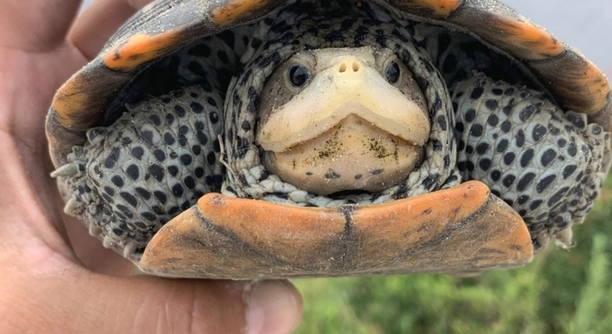
Diamondback Terrapins are fascinating reptiles that make excellent pets. Their calm nature and manageable size make them a perfect choice for beginners who want to care for a turtle. They are both easygoing and rewarding companions.
Diamondback Terrapins are great pets for beginners due to their manageable care needs, moderate size, and friendly behavior. With proper attention to habitat, diet, and health, they can thrive in home aquariums, making them ideal for novice pet owners.
Their adaptability and unique characteristics make them a popular choice for turtle enthusiasts. Understanding the basics of caring for these wonderful creatures will help ensure that they live a long and happy life.
1. They Are Easy to Care For
Diamondback Terrapins are relatively low-maintenance pets, which makes them an excellent choice for beginners. They don’t require a complex setup or extensive time commitments. With a well-maintained tank and a proper diet, these turtles thrive without needing constant attention. Their small size also makes them easier to manage compared to larger turtle species. While they do need a proper basking area and clean water, their care routine is simple and manageable. They adapt well to captivity and do not need exotic requirements, making them a great choice for those new to turtle keeping.
They are quite tolerant to different environmental conditions, as long as they have access to warm water and proper UV light. This adaptability makes them easy to care for in a typical household setting, unlike other reptiles that require specific climates.
Routine feeding, tank cleaning, and occasional vet checkups are all that’s needed for them to stay healthy and active. Their resilience and calm nature help reduce stress on owners as they settle into a predictable care routine.
2. They Have a Calm Temperament
Terrapins are generally peaceful and not prone to aggression, making them ideal for a home environment. These turtles tend to stay relaxed and avoid confrontation. With the proper environment and handling, they can become quite social, though they are not as interactive as other pets like dogs. However, they do show signs of recognition and may even respond when their owner is near. Terrapins are content to swim or bask and don’t require constant stimulation. Their calm demeanor allows them to blend seamlessly into family life.
Their peaceful nature means they get along well with others in a household, such as other pets. Terrapins don’t usually seek out confrontation, so they can coexist peacefully with other non-predatory animals. This adds to their appeal as a pet for first-time turtle owners.
Even in a tank with multiple terrapins, they rarely display aggressive behavior toward each other. As long as there is enough space and resources in the enclosure, they will generally live harmoniously with one another. The fact that they are not aggressive is one of the main reasons they make great beginner pets.
3. They Don’t Require Constant Attention
Diamondback Terrapins are independent creatures that don’t need constant attention, which makes them perfect for people with busy schedules. They can entertain themselves by swimming and basking, so you don’t have to be overly involved with them.
You can feed them a few times a week, clean their tank, and give them occasional enrichment, but otherwise, they are content. This allows owners to enjoy a pet without the need for continuous supervision. As long as their habitat is properly maintained and their basic needs are met, terrapins can live peacefully without a lot of interaction.
Their ability to entertain themselves makes them perfect for people who cannot dedicate large amounts of time daily to a pet. Once you set up a proper tank and ensure they have access to clean water, the terrapins will take care of themselves. It’s easy to feel at ease knowing that they’re independent creatures, which makes them less demanding.
4. They Have a Long Lifespan
Diamondback Terrapins are long-lived animals, with some reaching up to 40 years in captivity. This makes them a great choice for anyone looking for a pet that can be a companion for many years. A well-maintained environment can help them live a healthy, long life.
Their longevity means that once you adopt a terrapin, they can stay with you for decades, offering a consistent presence in your life. To support their lifespan, proper diet, temperature control, and tank maintenance are necessary. Regular checks and proper care will allow them to live to their full potential.
Having a long lifespan gives owners the chance to build a lasting bond with their terrapin. It’s an ideal situation for those looking for a low-maintenance pet that won’t need to be replaced after a few years. Their stability and resilience are one of the biggest advantages to owning these turtles.
5. They Are Relatively Inexpensive to Care For
The cost of caring for a Diamondback Terrapin is manageable, especially when compared to other reptiles or pets. Their needs, such as food, tank setup, and maintenance, won’t break the bank.
A proper tank, UV lighting, and a simple filtration system are the main expenses. Once you have the basics, the ongoing costs are minimal. Terrapins eat a variety of foods, including commercially available pellets, fish, and vegetables, which makes feeding them affordable. With the right care, you don’t have to worry about frequent expensive vet visits or specialty items.
Their low upkeep cost makes them accessible for beginners, providing a pet without ongoing financial stress.
6. They Are Perfectly Adapted to Tank Life
Diamondback Terrapins are well-suited to life in an aquarium, which is why they make excellent pets for home living. They thrive in large tanks with both water and basking areas, mimicking their natural environment.
A tank that has clean water, appropriate UVB lighting, and a heat source is all you need. These turtles are comfortable in their aquariums as long as the space is sufficient for swimming and basking. With the right setup, they can live in tanks for many years, making them ideal for home environments with limited outdoor space.
They are highly adaptable and can comfortably stay indoors, creating an ideal solution for people who cannot provide an outdoor enclosure. This makes them great for those living in apartments or houses with limited access to outdoor space.
7. They Can Live with Other Species
Diamondback Terrapins can coexist with other species, especially in a large tank where they have enough space. They aren’t aggressive, so they typically don’t pose a threat to smaller fish or other turtles.
When introducing new tankmates, it’s important to monitor interactions to ensure peaceful cohabitation. Avoid housing them with overly aggressive species, as they may cause stress. The key is providing a large enough tank with enough resources to prevent territorial disputes. With the right environment, a terrapin can comfortably live with other animals, making them suitable for multi-species setups.
FAQ
What do Diamondback Terrapins eat?
Diamondback Terrapins have a varied diet that consists of both plant and animal matter. They primarily eat commercial turtle pellets, but you can also feed them small fish, shrimp, and snails. Vegetables like leafy greens, carrots, and squash are also good choices. Occasional fruits, such as berries and apples, are fine as a treat. It’s important to provide a balanced diet to ensure they receive all the necessary nutrients. Overfeeding should be avoided, as it can lead to obesity. Regularly changing their food variety can keep them healthy and satisfied.
How big do Diamondback Terrapins get?
Diamondback Terrapins typically reach about 7 to 10 inches in length when fully grown. Males are usually smaller than females, with males reaching around 6 inches and females reaching up to 10 inches. Their size is manageable for tank environments, but they still need enough space to swim and bask. Though they are smaller than some other turtle species, they still require a properly sized tank to accommodate their swimming and basking needs.
Do Diamondback Terrapins need a basking area?
Yes, Diamondback Terrapins need a basking area to regulate their body temperature. They rely on heat and UV light to maintain their health. A basking spot should be positioned under a UVB light source to ensure they receive the necessary vitamin D. The basking area should be above water, where they can climb out to rest and dry off. Providing this area is crucial for their well-being and will prevent shell rot or other health issues that can arise from being too damp.
How often do I need to clean the tank?
Cleaning the tank of a Diamondback Terrapin should be done regularly. A general rule is to clean the tank every two to three weeks. However, you should remove any uneaten food daily and clean the filtration system to ensure the water stays clean. Regular water changes (about 25-30%) every week will help maintain the tank’s quality. This routine will prevent the buildup of harmful bacteria and keep your terrapin’s habitat healthy. Keeping a clean tank is essential for preventing diseases and maintaining the overall health of your terrapin.
How do I maintain the water temperature?
Maintaining the water temperature for a Diamondback Terrapin is vital to its health. The ideal water temperature should be between 75°F to 80°F. You can use a submersible aquarium heater to regulate the temperature. Make sure the water temperature is stable, as drastic changes can stress the turtle. A thermometer placed in the tank will help you monitor the temperature to avoid overheating or cooling the water too much. Additionally, make sure the basking area is slightly warmer, around 85°F to 90°F, so your terrapin can regulate its body heat.
Can Diamondback Terrapins live outside?
While Diamondback Terrapins can live outside in appropriate environments, it’s important to consider the climate where you live. They require access to both water and a dry basking spot. If the weather is warm year-round and you have a secure pond or enclosure, they can live outside. However, they should be brought inside during colder months, as they are not tolerant of extreme temperatures. It’s also important to ensure the enclosure is predator-proof. If you live in an area with extreme temperatures, it’s best to keep them indoors in an aquarium.
How can I tell if my Diamondback Terrapin is healthy?
A healthy Diamondback Terrapin will have clear, bright eyes, and a smooth, hard shell. Their shell should be free of cracks, lumps, or soft spots. They should swim actively and bask regularly. If your terrapin is sluggish, not eating, or showing signs of shell rot (soft or discolored shell), it may be unwell. Regular vet checkups and maintaining a proper diet and environment can help prevent health issues. If you notice anything unusual, it’s important to seek professional advice from a reptile vet.
How long do Diamondback Terrapins live?
Diamondback Terrapins can live up to 40 years in captivity if they are properly cared for. Their lifespan depends on the quality of their habitat, diet, and overall health. Regular maintenance of their tank, proper nutrition, and occasional vet visits can help them live a long and healthy life. With good care, they can become a lifelong companion for turtle owners, providing enjoyment for many years.
Do Diamondback Terrapins require UVB lighting?
Yes, Diamondback Terrapins require UVB lighting to metabolize calcium and maintain healthy bone and shell growth. UVB light helps them produce vitamin D3, which is necessary for calcium absorption. A proper UVB light source should be provided for 10 to 12 hours a day. Without UVB lighting, terrapins can develop metabolic bone disease, leading to weakened shells and other health problems. UVB lighting should be placed over the basking area, where they can soak up the light and heat. Replacing the bulb every 6-12 months is important for consistent UVB output.
Are Diamondback Terrapins good for beginners?
Diamondback Terrapins are considered good pets for beginners due to their manageable size, calm nature, and relatively simple care requirements. They are not as demanding as some other reptiles, and their care is straightforward. As long as you provide a proper habitat with clean water, UV lighting, and a balanced diet, they can thrive in captivity. Their long lifespan and ability to live comfortably in tanks also make them an appealing choice for novice pet owners who are looking for a low-maintenance but rewarding pet.
Final Thoughts
Diamondback Terrapins are a great option for people looking to keep a turtle as a pet. Their manageable size, calm temperament, and low-maintenance care requirements make them ideal for beginners. They don’t need constant attention and can be left to entertain themselves in their tanks. With proper care, including a suitable habitat, regular feeding, and occasional tank cleaning, they can thrive for many years. The simplicity of their care makes them a stress-free choice for those new to pet ownership, and they are an excellent way to introduce yourself to the world of reptiles.
Their longevity is another key benefit. These turtles can live for decades, offering owners a long-term companion. With the right setup, they can remain healthy and active, providing years of enjoyment. This long lifespan also means that owners can develop a strong bond with their terrapins. The sense of responsibility and routine that comes with caring for them can be a rewarding experience. While they are not overly interactive like some other pets, their calm nature allows them to coexist well with family members and other animals in the home.
However, it is essential to keep in mind their specific needs. They require a balanced diet, a proper basking area, and a clean tank. These needs, while not overly complicated, should be met to ensure their well-being. Understanding their habitat and care requirements will help them live a healthy life. Diamondback Terrapins are a great introduction to reptile care and can offer a fulfilling pet experience for first-time owners. With the right attention, they can be a lasting part of your life, providing both peace and enjoyment.

Hello,
If you enjoy the content that we create, please consider saying a "Thank You!" by leaving a tip.
Every little bit helps us continue crafting quality advice that supports the health, happiness, and well-being of pets around the world, for pets of all shapes, sizes, and species.
We really appreciate the kindness and support that you show us!