
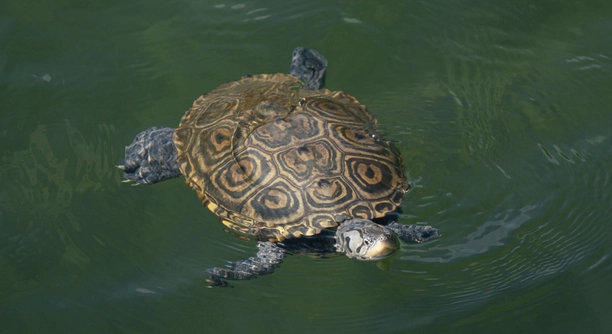
Proper ventilation is crucial for the health and well-being of your diamondback terrapin. Without it, the tank can become stuffy, leading to poor air quality and potential health risks for your pet. Understanding how to ventilate their tank properly will keep them comfortable.
To ensure proper ventilation for your diamondback terrapin tank, use a well-ventilated lid or top with openings, and position it to allow air to circulate. Keep the humidity level in check, as excessive moisture can affect air flow and cause bacterial growth.
By following a few easy tips, you can create a healthier environment for your terrapin. Keep reading to find out more about ventilation and its role in maintaining a balanced tank.
Why Proper Ventilation Matters for Diamondback Terrapins
Ventilation in a terrapin tank is essential for regulating temperature, humidity, and air quality. When air circulation is poor, moisture builds up, creating an unhealthy environment that can lead to respiratory problems for your terrapin. The right amount of airflow helps prevent the growth of mold and bacteria, ensuring a clean habitat. Without proper ventilation, stagnant air can cause discomfort for your pet, leading to stress and health issues.
Air quality is vital for terrapins, who need a balanced atmosphere. A lack of ventilation leads to high humidity, which, combined with poor airflow, creates an ideal environment for harmful bacteria. These conditions can negatively affect their skin and lungs. Ensuring good ventilation keeps the environment fresh and reduces these risks, improving your terrapin’s overall well-being.
A well-ventilated tank is especially important for maintaining the right temperature and humidity. Terrapins are cold-blooded and rely on their environment to regulate body temperature. If their tank is too humid or the air is still, it may affect their ability to thermoregulate. Proper ventilation allows the air to circulate and helps maintain optimal conditions.
How to Achieve Proper Ventilation
Maintaining ventilation in a terrapin tank isn’t difficult with the right equipment. Choosing the right lid is the first step.
A good lid should allow for airflow while keeping your pet safe and contained. You can either choose a mesh lid or one with adjustable openings. For tanks with glass tops, small vents or slots can be drilled in the lid. Ensure that these openings are large enough to allow air to circulate but small enough to prevent your terrapin from escaping. Adjustable lids let you control the amount of airflow as needed.
Consider the placement of the tank in your room as well. Avoid placing the tank in a corner where airflow is limited. A well-ventilated room will naturally help keep your tank’s air fresh. Remember, it’s not just the lid that matters; proper ventilation includes ensuring that your room’s air is circulating freely, so avoid overcrowding the space with furniture or objects that block airflow.
Maintaining Humidity Levels
Humidity is another key factor to consider when ventilating a diamondback terrapin tank. Without proper air circulation, moisture can build up, creating an uncomfortable and unhealthy environment for your terrapin. You need to strike a balance between keeping the tank moist enough for your terrapin’s needs but not so humid that it leads to health problems.
A good way to monitor humidity is by using a hygrometer. This tool will let you know whether your tank is too dry or too humid. If the humidity level is too high, adjusting the ventilation by increasing airflow or using a dehumidifier can help. On the other hand, if it’s too low, you may need to slightly reduce ventilation or use a humidifier to maintain the right balance. Regularly check both temperature and humidity to ensure your terrapin is thriving in a balanced environment.
Proper humidity helps prevent skin issues, shedding problems, and respiratory infections. High humidity without ventilation can cause mold growth or a buildup of harmful bacteria. Ensuring that air is circulating properly helps to keep the humidity in check, supporting a healthy and safe habitat for your terrapin.
Types of Ventilation Systems
When setting up a terrapin tank, consider different types of ventilation systems based on your setup and tank size. Mesh tops are popular for smaller tanks, allowing air to pass freely while also keeping the terrapin safe.
For larger tanks, a more complex ventilation system may be required. You can use fans placed near the tank to encourage air circulation or even invest in a more advanced filtration system that includes air pumps. These pumps help circulate both air and water, improving overall tank conditions. If you live in a very humid climate, adding a dehumidifier nearby can also help maintain a healthier air balance. Always ensure that these systems are adjustable so you can fine-tune the airflow according to your terrapin’s needs.
When setting up ventilation, don’t just focus on airflow. Ensure the temperature is properly controlled to avoid drastic changes. Maintaining a consistent environment will support your terrapin’s health and comfort. Proper air movement should be combined with regulated heat to create a balanced habitat.
Benefits of Proper Ventilation
Good ventilation offers multiple benefits for your diamondback terrapin. It ensures better air quality, prevents humidity buildup, and reduces the growth of mold or bacteria. With proper airflow, your terrapin will enjoy a healthier and more comfortable environment, reducing the likelihood of respiratory issues.
When ventilation is maintained, it also helps control the temperature, ensuring your terrapin’s habitat stays within the optimal range. This is crucial for their overall health and well-being. Proper air circulation helps keep the tank dry, preventing conditions that could lead to infections or skin problems.
Ventilation and Tank Size
Larger tanks often require more advanced ventilation systems due to their size. For bigger setups, consider adding air pumps or filters to enhance airflow.
These systems help to circulate both water and air, improving the overall balance within the tank. For large tanks, it’s also important to monitor the airflow and adjust accordingly. Over-ventilating can cause the tank to dry out, while insufficient ventilation can create stagnant air. The goal is to maintain a fresh and comfortable environment.
FAQ
What is the best way to ventilate a terrapin tank?
The simplest way to ventilate a terrapin tank is by using a mesh lid or a lid with adjustable vents. This allows air to circulate freely while keeping your pet secure. For larger tanks, consider adding small fans or air pumps to ensure proper airflow. A combination of these methods will prevent the buildup of stagnant air and high humidity, keeping the environment fresh.
How do I control humidity levels in the tank?
To manage humidity, use a hygrometer to monitor levels. Aim for a humidity range between 60% and 80%. If the humidity is too high, increase airflow or use a dehumidifier nearby. On the other hand, if it’s too low, reduce ventilation slightly or use a humidifier to keep moisture levels balanced.
Can ventilation help with water quality in a terrapin tank?
While ventilation is primarily for air circulation, it does indirectly affect water quality. When humidity is controlled, the water’s surface won’t be affected by excessive moisture in the air. Proper airflow prevents mold and bacteria growth, which could potentially contaminate the water. Keeping both air and water in balance is key to a healthy habitat.
How often should I clean the ventilation system?
The ventilation system should be cleaned regularly to prevent dust, debris, and mold buildup. Clean the mesh lid, vents, or any fans every couple of weeks, and more often if you notice an accumulation of grime. Keeping the system clean ensures optimal airflow and helps maintain the overall air quality in the tank.
Can I use an air pump for ventilation?
Yes, an air pump can be an effective way to improve airflow in larger terrapin tanks. An air pump circulates the air and can help control humidity, particularly in tanks that are prone to stagnation. Make sure the pump is not too strong, as excessive airflow can cause drafts, which may stress your terrapin.
Do I need a fan for my terrapin tank?
A fan can be helpful in larger tanks or in warm, humid environments. It can improve air circulation and reduce moisture buildup. However, it’s essential to position the fan correctly to avoid disturbing the terrapin or drying out the tank too much. Place it in a way that encourages airflow without creating direct drafts on the terrapin.
How can I tell if the tank is too humid for my terrapin?
If your tank feels damp, or if there’s visible condensation on the glass, humidity may be too high. A hygrometer will give you an accurate reading. Signs of high humidity in your terrapin include excessive shedding, skin issues, or respiratory distress. Adjust the ventilation to allow more air to flow and decrease moisture levels.
Is a closed tank suitable for a diamondback terrapin?
Closed tanks can be suitable as long as there’s enough ventilation. It’s important to have some form of air exchange to prevent the tank from becoming too stuffy or humid. If using a closed system, ensure you have adjustable vents or a mesh lid to allow proper airflow while maintaining a controlled environment.
How does ventilation affect the health of my terrapin?
Proper ventilation is crucial for your terrapin’s respiratory health. Poor airflow can lead to high humidity and mold growth, which can cause skin infections, respiratory problems, and stress. A well-ventilated tank allows for proper temperature regulation and reduces the risk of bacterial and fungal issues that can harm your terrapin.
Can a lack of ventilation cause respiratory issues in a terrapin?
Yes, poor ventilation can lead to respiratory issues in terrapins. Stagnant, humid air can increase the risk of respiratory infections, as it allows bacteria and mold to thrive. This can cause coughing, wheezing, or other signs of illness. Ensuring proper ventilation will help prevent these health problems and promote a healthier tank environment.
How can I prevent mold growth in the tank?
To prevent mold growth, keep the tank well-ventilated and avoid excessive humidity. Regularly clean the tank and remove any decaying food or organic matter, as these can contribute to mold. Using a lid with adjustable vents helps regulate airflow, preventing stagnant conditions that foster mold. Also, clean your terrapin’s habitat regularly to maintain a safe environment.
Do I need to worry about the tank being too dry?
While humidity is essential, too little moisture can also be harmful to your terrapin. If the tank is too dry, it can lead to dehydration or problems with shedding. Maintain a balanced humidity level by adjusting ventilation as needed, but avoid over-drying the tank. Use a water dish and ensure proper humidity levels are maintained for your terrapin’s comfort.
What temperature should my terrapin tank be, and how does ventilation affect it?
The optimal temperature for a diamondback terrapin tank is around 75°F to 85°F. Proper ventilation helps maintain this temperature by allowing heat to dissipate and air to circulate. Without adequate airflow, the tank can become too warm or too cool, which could stress your terrapin. Regularly check the temperature and adjust ventilation as necessary to keep it within the ideal range.
Is it okay to place the terrapin tank near a window?
Placing the tank near a window can be problematic due to temperature fluctuations, direct sunlight, and reduced airflow. Direct sunlight can overheat the tank, while inadequate air circulation may lead to humidity buildup. It’s best to place the tank in a well-ventilated room away from direct sunlight to maintain stable conditions.
Final Thoughts
Proper ventilation is one of the most important aspects of maintaining a healthy environment for your diamondback terrapin. It helps regulate the air quality, humidity, and temperature in the tank, all of which contribute to your terrapin’s overall well-being. Without sufficient airflow, the tank can become stuffy, moist, and uncomfortable, leading to potential health issues like respiratory problems, skin infections, and stress. Ensuring your tank has good ventilation helps prevent these problems and keeps the habitat clean and fresh for your terrapin.
When setting up ventilation, it’s important to find a balance. Too much ventilation can dry out the tank, while too little can create a humid and stagnant environment. Using a mesh lid with adjustable vents or a fan for larger tanks can be an easy and effective way to maintain proper airflow. Additionally, monitoring the humidity with a hygrometer and making small adjustments will help you keep the conditions just right. Regularly cleaning the ventilation system is also crucial to ensure it’s working efficiently and doesn’t accumulate dirt or mold, which could affect the air quality in the tank.
In the end, taking the time to understand and control ventilation for your terrapin tank will pay off in the form of a healthier and happier pet. Whether you’re using a simple mesh lid or a more advanced air circulation system, always keep an eye on how the air flows and the humidity levels. With a bit of attention and care, your diamondback terrapin will thrive in a well-ventilated environment, giving you peace of mind and ensuring your pet’s long-term health.

Hello,
If you enjoy the content that we create, please consider saying a "Thank You!" by leaving a tip.
Every little bit helps us continue crafting quality advice that supports the health, happiness, and well-being of pets around the world, for pets of all shapes, sizes, and species.
We really appreciate the kindness and support that you show us!