
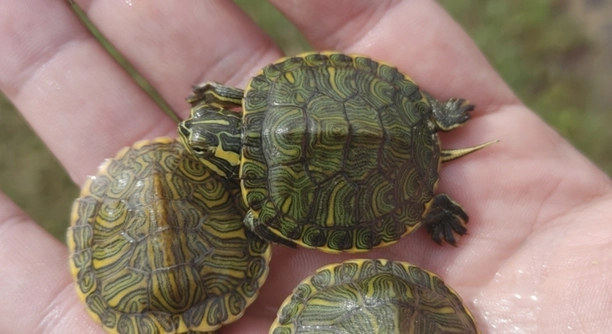
Introducing a yellow-bellied slider to a new tank can be an exciting experience for both the turtle and the owner. It’s important to consider a few crucial steps to ensure a smooth transition.
To successfully introduce your yellow-bellied slider to a new tank, start by preparing the tank with proper filtration, heating, and decorations. Gradually acclimate your turtle to the new environment to reduce stress and encourage healthy behaviors.
Proper setup and careful introduction will help your yellow-bellied slider thrive in its new tank.
Setting Up the Tank for Your Yellow-Bellied Slider
Before introducing your yellow-bellied slider to its new home, make sure the tank is well-prepared. A proper filtration system is essential for maintaining clean water, as turtles can be messy. The water temperature should be maintained between 75-80°F, with a basking area that reaches around 85°F. This will provide the turtle with both a warm swimming area and a place to dry off. Decorations such as rocks and plants can help mimic the natural environment, offering hiding spots for your turtle. Ensure that the tank is spacious enough to allow your slider to swim freely, as this promotes physical and mental well-being.
Take some time to check the water quality before introducing the turtle. A water test kit will help you monitor the levels of ammonia, nitrites, and nitrates. Keeping these levels in check is crucial for your turtle’s health. Proper tank maintenance will help reduce stress and make the new home more inviting.
Creating an ideal environment will not only support your turtle’s health but also make it easier for them to adapt to their new surroundings.
Gradually Acclimating Your Slider
Gradual acclimation helps your yellow-bellied slider adjust to the new tank without experiencing too much stress. This process can take several days to complete.
Introduce your slider to the tank slowly, allowing it to explore the new space at its own pace. Begin by placing the turtle in the water for short periods, gradually increasing the time it spends there. This helps reduce stress and allows the turtle to adjust to the temperature and water conditions.
Let your turtle get familiar with the tank before offering food. This will ensure the introduction process isn’t rushed. Observing how it interacts with its new environment will provide valuable insight into its comfort level and health.
Choosing the Right Tank Size
The size of the tank is important for a yellow-bellied slider’s health. A 40-gallon tank is the minimum size, but larger is better.
As your turtle grows, it will need more space to swim and explore. For adult yellow-bellied sliders, a 75-gallon tank is ideal. Having adequate space allows for better water quality and helps prevent stress. Ensure there is enough room for basking areas and hiding spots. This also allows the turtle to establish its territory and feel more secure. With enough space, the tank can better accommodate its natural behaviors.
Consider the long-term growth of your turtle when choosing the tank size. The more space you can provide, the healthier your turtle will be, both physically and mentally. A spacious tank is a better investment for your turtle’s overall well-being.
Ensuring Proper Water Conditions
Water quality is critical for your slider’s health. Test the water regularly to ensure it’s clean and safe.
Proper filtration is essential for maintaining good water conditions. Choose a filter that can handle the size of the tank and remove debris, excess food, and waste. Along with filtration, make sure the water temperature stays consistent between 75-80°F. Use a reliable thermometer to monitor the water regularly.
Water changes should be done weekly, replacing about 25% of the water. This helps maintain clean conditions and supports your turtle’s immune system. By maintaining these standards, you can avoid waterborne diseases and ensure your turtle’s long-term health.
Adding Proper Lighting
Lighting is essential for your slider’s well-being. A combination of UVB and basking lights will create a healthy environment.
UVB lights help your turtle synthesize vitamin D3, essential for shell and bone health. Position the UVB light above the basking area, ensuring it covers the space your turtle uses to dry off. Replace the bulb every 6 months to maintain proper UVB output.
Proper lighting mimics natural sunlight and supports your turtle’s biological needs. Without it, your turtle may become lethargic or suffer from health problems. Make sure the basking light is bright enough to encourage basking.
Creating a Safe Basking Area
Your slider needs a designated basking area to stay healthy. Ensure the basking area is accessible and dry.
Place a sturdy ramp or dock in the tank, giving your slider easy access to dry land. The basking area should be warm, with a temperature of around 85°F. This helps your slider regulate its body temperature and digest food efficiently.
A safe basking spot also allows your turtle to rest and absorb the necessary UVB light. Make sure it’s large enough for the turtle to comfortably fit and enjoy the warmth.
FAQ
What do yellow-bellied sliders eat?
Yellow-bellied sliders are omnivores, so they eat a mix of animal and plant-based foods. Their diet includes aquatic plants, insects, small fish, and pellets designed for aquatic turtles. You can also feed them dark leafy greens like kale and dandelion greens. Protein sources like mealworms, crickets, and shrimp are great occasional treats.
Be sure to avoid feeding them too much protein as it can lead to shell deformities and obesity. Provide a balanced diet to ensure proper growth and shell development. Offer food in shallow water to make it easier for them to eat. Make sure to remove uneaten food to maintain water quality.
How often should I feed my yellow-bellied slider?
Young sliders should be fed every day, while adults can be fed every other day. Overfeeding can lead to health problems like obesity and shell issues.
When feeding, offer a small amount of food that the turtle can eat in about 15 minutes. Remove any leftovers after that time. Keep in mind that they may eat more during growth stages but reduce food amounts once they reach adulthood. Make sure to provide a variety of foods, so their diet stays balanced.
Can yellow-bellied sliders live in outdoor ponds?
Yes, yellow-bellied sliders can live in outdoor ponds, but only if the environment is safe and appropriate. Ensure the pond is deep enough for your turtle to swim freely and has a secure basking area.
In colder climates, make sure the pond doesn’t freeze during the winter, as turtles can’t survive in freezing temperatures. If your area experiences cold weather, bring the turtle indoors or provide a heated pond to maintain the right temperature year-round. Also, ensure the pond has clean water, proper filtration, and no predators like fish-eating birds or raccoons.
How can I tell if my yellow-bellied slider is healthy?
A healthy yellow-bellied slider has clear, bright eyes and a smooth, hard shell. Their shell should be free of cracks, soft spots, or discoloration. Their skin should be clean and without sores or lesions. A healthy slider is also active, swimming around and basking regularly.
If your turtle isn’t eating, seems lethargic, or has visible health issues like a swollen or soft shell, it could be a sign of an illness. Always monitor your turtle’s behavior and shell condition. Regular visits to a reptile vet will also help ensure its health.
Do yellow-bellied sliders need a friend?
Yellow-bellied sliders are generally solitary creatures, though they can live with other turtles if their space is large enough. However, they may not interact much with other turtles, especially if they feel their territory is threatened.
In most cases, it’s not necessary to have more than one turtle. If you do decide to keep multiple turtles, make sure each has enough space and that you monitor for any aggressive behavior. Overcrowding can lead to stress, territorial disputes, and even injury.
How do I prevent my yellow-bellied slider from becoming stressed?
To reduce stress in your yellow-bellied slider, create a stable and safe environment. Make sure the tank is the right size, has proper filtration, and is set up with appropriate lighting and basking areas.
Avoid handling your turtle too often, as it can cause stress. Make sure the tank is placed in a quiet area away from loud noises and sudden movements. Also, avoid sudden changes in water temperature or habitat, as this can cause anxiety for your turtle. Maintaining a consistent environment will help your turtle feel secure and reduce stress.
Can I keep a yellow-bellied slider with other pets?
Yellow-bellied sliders can be kept with other pets, but they need to be supervised. If you plan to have a slider with other animals, such as fish or other reptiles, make sure the tank is large enough to accommodate everyone comfortably.
Some animals may become aggressive towards each other, so it’s important to observe their interactions. Small fish, for example, may become food for your slider. Never place your slider in a tank with an animal that may harm it, and avoid keeping them with pets that are too small, as they may be seen as prey.
How do I clean the tank for my yellow-bellied slider?
Regular tank cleaning is essential to maintain a healthy environment for your yellow-bellied slider. Change 25% of the water weekly and clean the tank’s substrate every month.
Use a gravel vacuum to remove waste from the bottom of the tank. Clean the basking area, filter, and decorations regularly to prevent algae buildup and maintain water quality. Avoid using harsh chemicals or soaps when cleaning the tank, as they can be harmful to your turtle. Instead, use water and a soft brush to scrub surfaces.
Final Thoughts
Introducing a yellow-bellied slider to a new tank can be a smooth process when the right steps are followed. Ensuring the tank is the appropriate size, with clean water, proper lighting, and suitable basking areas, is the first step to creating a comfortable environment. A healthy and well-maintained tank makes a significant difference in your turtle’s well-being. By understanding the needs of your turtle and making adjustments as it grows, you can provide a lasting habitat for it.
Consistency is key to maintaining a healthy tank. Regular cleaning, water changes, and monitoring of temperature and water quality should be part of your routine. It is also essential to provide a varied diet, with a balance of plant and animal-based foods, to meet all nutritional requirements. Yellow-bellied sliders benefit from routine care and proper diet, which allows them to thrive in their environment. Neglecting their needs can result in health problems, but with a bit of attention, these turtles can live a long and healthy life.
Ultimately, the most important factor is to create a stable, secure environment for your yellow-bellied slider. Their behavior and health are greatly influenced by their habitat. By ensuring the water is clean, the basking area is accessible, and the lighting is correct, you will set up your turtle for success. Caring for a yellow-bellied slider may require time and effort, but the reward of watching your turtle grow and remain healthy makes it all worth it.

Hello,
If you enjoy the content that we create, please consider saying a "Thank You!" by leaving a tip.
Every little bit helps us continue crafting quality advice that supports the health, happiness, and well-being of pets around the world, for pets of all shapes, sizes, and species.
We really appreciate the kindness and support that you show us!