
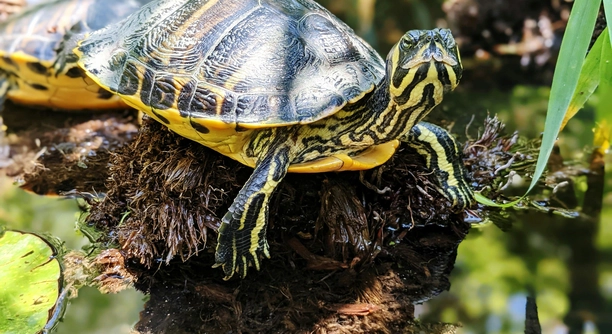
Yellow-bellied sliders are fascinating creatures, often seen basking in their habitat. However, if yours is constantly in the corner, you might wonder what’s going on. Understanding your pet’s behavior can improve their well-being.
There are several reasons your yellow-bellied slider might be staying in the corner. Common causes include stress, a need for a more secure basking area, or insufficient space. Environmental changes, like water quality, can also contribute to this behavior.
Understanding the underlying factors can help you address the issue and create a more comfortable environment for your slider.
Why Is Your Yellow-Bellied Slider Hiding?
Your yellow-bellied slider might be spending more time in the corner due to stress. This could happen from changes in its environment, such as new tank mates, loud noises, or unfamiliar scents. Sliders are sensitive to their surroundings and may retreat to a corner when they feel overwhelmed. Additionally, stress can arise from improper water conditions, like high ammonia levels or incorrect temperature. If your pet is frequently in the corner, consider evaluating its tank environment to see if any changes are needed. It’s important to remember that yellow-bellied sliders, like all reptiles, are territorial and sensitive to disruptions.
Some signs of stress in yellow-bellied sliders include hiding, not eating, or excessive basking. You can also observe physical changes such as discoloration of the skin or eyes. If you notice any of these, it could be a signal that your slider needs attention. Make sure the tank setup is appropriate, with hiding spots and adequate space.
Addressing environmental stress factors is key to helping your yellow-bellied slider feel comfortable and secure again. This includes providing a stable habitat with clean water and proper lighting. If the stress continues, it’s important to consult a vet to rule out any health issues.
Providing a Better Habitat
Improving your slider’s living conditions can ease its anxiety. Ensure the water is filtered and the temperature is maintained within the proper range.
Water Quality and Its Effect on Behavior
If your yellow-bellied slider is staying in the corner, water quality could be a factor. Dirty or untreated water can cause stress and discomfort. Sliders are sensitive to toxins and bacteria in their habitat. Ensure the water is clean, filtered, and properly changed. Regularly check water parameters, such as pH and ammonia levels, to maintain a healthy environment.
In addition to cleanliness, water temperature plays a critical role in your slider’s behavior. If the water is too cold, your pet may retreat to the corner, seeking warmth. If it’s too warm, the slider might become sluggish and stressed. Maintaining a stable water temperature between 75°F and 80°F will help keep your pet active and comfortable.
A healthy water environment ensures your slider remains active and happy. Clean, fresh water and the proper temperature help prevent unwanted stress. Be sure to invest in a reliable filter and check water parameters regularly for the best results.
Tank Size and Space
Space is another key factor to consider. If your tank is too small, your slider might feel cramped and retreat to the corner. A larger tank provides more room to swim and explore, reducing stress. Keep in mind that yellow-bellied sliders need a lot of space to thrive. A 75-gallon tank is ideal for one adult slider.
If you notice your slider spending too much time in a corner, assess the available space. Adding more space can improve their behavior, allowing them to feel more secure. Make sure your slider has a place to bask, swim, and hide. You can also add rocks or plants to give them more structure. This will keep them active and reduce the likelihood of stress-related behavior.
Tank Lighting and Temperature
Proper lighting is essential for your yellow-bellied slider’s health. Without proper UVB light, your pet might feel stressed and hide in the corner. UVB lighting helps with calcium absorption and overall well-being. Ensure your slider gets 10-12 hours of light daily to mimic natural conditions.
If the tank is too dark or the lighting isn’t sufficient, your slider could become lethargic and retreat. Make sure the light source is positioned correctly to cover the entire tank. This will encourage basking, promote healthy behavior, and help your slider feel safe and comfortable in its environment.
Stress from Other Pets
Introducing other pets into the tank can create unnecessary stress for your slider. If you have multiple turtles or other animals, the yellow-bellied slider may feel threatened or overwhelmed. This can lead to hiding in the corner to avoid confrontation. Always monitor interactions and separate aggressive tankmates.
Too many pets or the wrong tankmates can negatively affect your slider’s well-being. If your slider is spending too much time in the corner, evaluate whether its tankmates are the problem. Consider separating animals that don’t get along or reducing the number of creatures in the tank.
FAQ
Why does my yellow-bellied slider stay in the corner?
Your yellow-bellied slider might be hiding in the corner due to stress, discomfort, or inadequate tank conditions. Common causes include poor water quality, improper temperature, inadequate space, or lack of proper lighting. Stress from other pets or changes in its environment can also contribute to this behavior. It’s important to assess your tank setup, water parameters, and any changes in the surrounding environment.
Can my yellow-bellied slider get lonely?
While yellow-bellied sliders are solitary animals, they can still be affected by the lack of interaction. They don’t require companions to thrive, but isolation in a small tank or without enough stimulation can lead to stress. To keep your slider healthy, ensure it has a stimulating environment, plenty of space, and appropriate tank mates if needed.
How can I reduce my slider’s stress?
To reduce stress in your slider, ensure the tank environment is calm, clean, and well-maintained. Provide hiding spots, a basking area, and proper water filtration. Regularly check the water temperature, pH levels, and cleanliness. Avoid sudden changes in its environment or introducing aggressive tankmates. A stable habitat will help your slider feel more secure and less likely to hide.
What temperature should the water be for my yellow-bellied slider?
Yellow-bellied sliders require water temperatures between 75°F and 80°F. If the water is too cold, they may become sluggish and stressed. On the other hand, if the water is too warm, it can cause overheating. Maintaining a stable temperature within this range is key to your slider’s comfort and health.
Why is my yellow-bellied slider not eating?
Loss of appetite in yellow-bellied sliders can be a sign of stress, improper water conditions, or health issues. Stress from environmental changes, lack of proper basking space, or poor water quality can all affect feeding behavior. If your slider refuses to eat for an extended period, check the tank conditions and consider consulting a veterinarian to rule out health problems.
Do yellow-bellied sliders need UVB light?
Yes, UVB light is essential for yellow-bellied sliders. It helps them produce vitamin D3, which is necessary for calcium absorption and bone health. Without UVB light, your slider could develop metabolic bone disease or other health issues. Ensure your slider has access to UVB lighting for 10-12 hours a day, mimicking natural sunlight.
How often should I clean my yellow-bellied slider’s tank?
You should clean your yellow-bellied slider’s tank regularly to maintain a healthy environment. Perform partial water changes at least once a week and clean the filter to ensure proper filtration. Every month, clean the tank thoroughly, removing debris and scrubbing the walls to prevent algae build-up. A clean tank helps keep your slider healthy and comfortable.
Can I put more than one yellow-bellied slider in the same tank?
Yellow-bellied sliders can be kept together, but only if they have enough space. A large tank is necessary to prevent territorial disputes. You should provide multiple basking spots and ensure no one slider dominates the space. If aggression occurs, separate them to avoid stress and injury. It’s important to monitor their behavior and adjust the tank setup as needed.
What should I feed my yellow-bellied slider?
Yellow-bellied sliders are omnivores and need a balanced diet of plant and animal matter. You can feed them a combination of commercial turtle pellets, leafy greens, and occasional protein such as insects or small fish. Be sure to vary their diet to ensure they get all the necessary nutrients. Avoid overfeeding, as obesity can lead to health problems.
How big should the tank be for a yellow-bellied slider?
A yellow-bellied slider needs plenty of space to swim and bask. For one adult slider, a 75-gallon tank is the minimum size. The tank should provide enough space for your slider to move freely, along with areas for basking and hiding. If you have more than one slider, the tank should be even larger. A spacious environment helps reduce stress and promotes a healthier lifestyle for your pet.
Final Thoughts
Taking care of a yellow-bellied slider requires attention to detail and understanding of their needs. If your slider is spending too much time in the corner, it is often a sign of stress or discomfort. It’s essential to evaluate the environment in which your slider lives, such as the water quality, temperature, lighting, and tank size. Addressing these factors can help improve your turtle’s behavior and overall health. A healthy, comfortable habitat promotes a more active and happy pet.
Additionally, yellow-bellied sliders are sensitive to their surroundings. Changes in their environment or the presence of other pets can cause them to retreat. Ensuring a stable and peaceful tank with enough space to roam and hide is key to reducing stress. Regularly check the water quality and maintain the proper temperature to avoid making your slider feel overwhelmed. A proper setup will also encourage your slider to feed, bask, and swim more, rather than staying in the corner.
In conclusion, understanding your yellow-bellied slider’s needs and behaviors is important for their well-being. By providing the right environment, diet, and care, you can help your turtle thrive. If the issue persists despite addressing tank conditions, consulting a vet can help rule out health problems. With the right attention, your slider can live a long, healthy, and active life.

Hello,
If you enjoy the content that we create, please consider saying a "Thank You!" by leaving a tip.
Every little bit helps us continue crafting quality advice that supports the health, happiness, and well-being of pets around the world, for pets of all shapes, sizes, and species.
We really appreciate the kindness and support that you show us!