
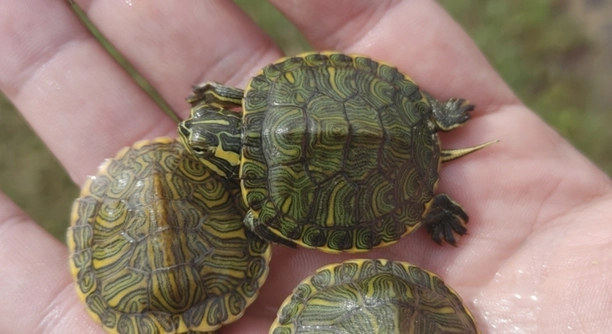
Yellow-bellied sliders are popular aquatic turtles, often kept as pets. However, keeping their tank temperature stable can be challenging. Overheating is a common issue that can cause stress and health problems for your turtle.
To prevent overheating, maintaining proper tank temperature is crucial. Ensure that your tank has a reliable thermostat and a proper heating system. Regularly monitor water temperature, avoid direct sunlight, and provide shaded areas for your turtle to rest.
These simple tips will help create a comfortable environment for your yellow-bellied slider. By addressing overheating concerns, you can improve their overall well-being and ensure a healthy, thriving habitat.
Understanding Yellow-Bellied Slider Tank Requirements
Yellow-bellied sliders are sensitive to their environment, especially when it comes to temperature. These turtles are native to warm, sunny areas, but in a tank, the temperature needs to be carefully controlled. Too much heat can make your turtle uncomfortable or even sick. Setting up the right temperature range for their tank is essential for their health.
Your tank should have both a warm basking area and a cooler swimming zone. The basking area should be around 85–90°F (29–32°C), while the water temperature should be around 75–80°F (24–27°C). Using a water heater with a reliable thermometer will help maintain these temperatures.
Monitoring the water temperature is vital, as fluctuations can stress your turtle. Adding a UVB light will also provide your turtle with essential vitamin D3 for bone health. Consistency in the tank environment promotes a healthier, more comfortable life for your yellow-bellied slider.
Avoiding Direct Sunlight
Direct sunlight on your tank can cause it to overheat quickly. It’s important to keep your tank in a location where it’s not exposed to strong sunlight throughout the day.
Placing your turtle’s tank in a room with indirect sunlight can help prevent it from getting too hot. If your tank is near a window, be mindful of how the sun moves throughout the day. Use curtains or blinds to block direct rays and maintain a stable temperature.
Proper Tank Size
A tank that’s too small will heat up faster, leading to potential overheating. Yellow-bellied sliders need space to swim, bask, and explore. Ensure that your tank is large enough to accommodate your turtle comfortably. A 40-gallon tank is typically recommended for one slider.
Inadequate space causes the water temperature to fluctuate more quickly. With a larger tank, the water maintains a more stable temperature. A bigger space also gives your turtle more freedom, which reduces stress. Overcrowding is another issue that can raise temperatures, so stick to the recommended tank size for optimal results.
Also, consider the size of your turtle when selecting a tank. Yellow-bellied sliders grow over time, and they’ll need more space as they get larger. Planning ahead ensures that the environment remains stable and comfortable for your turtle’s entire life.
Regular Water Changes
Dirty water can trap heat and contribute to overheating. Regular water changes help maintain a stable environment by removing organic matter and waste that can cause temperature spikes. You should change a portion of the water at least once a week.
When performing water changes, remember to check the water’s temperature. Ensure it’s within the ideal range before refilling the tank. Sudden temperature changes can stress your turtle. Using a water thermometer will help prevent this from happening. This simple step helps create a more consistent and comfortable environment for your slider.
Using a filter can help maintain water quality and temperature control. Make sure to clean it regularly to avoid clogs and overheating issues.
Use a Reliable Heater
A high-quality heater is essential to keep the water temperature stable. Without one, temperatures can easily fluctuate, leading to overheating. Choose a heater that matches your tank size and is reliable for continuous use.
It’s also important to get a heater with an adjustable thermostat. This feature helps you fine-tune the temperature and maintain a consistent environment. Check the temperature regularly, especially if your tank is in an area with fluctuating room temperatures. Investing in a quality heater ensures your slider stays comfortable and healthy.
Avoid Overcrowding
Overcrowding can cause the water to heat up faster. It’s important to only keep as many turtles in the tank as it can comfortably accommodate. Too many turtles create extra waste, which can contribute to water temperature changes.
If you have more than one slider, make sure the tank is large enough to support them. Proper tank size and fewer turtles can help maintain a stable environment. It also ensures that each turtle has enough space to swim and bask without overcrowding.
FAQ
What is the ideal temperature range for a yellow-bellied slider’s tank?
The ideal temperature for yellow-bellied sliders is between 75–80°F (24–27°C) for the water and 85–90°F (29–32°C) for the basking area. These temperatures should be maintained consistently to keep your turtle healthy. Using a thermometer and heater can help regulate the water temperature accurately.
How can I monitor the tank temperature effectively?
The best way to monitor tank temperature is by using a thermometer that can measure both the water and basking area. Digital thermometers are more accurate and can be placed in various spots of the tank to ensure the temperature is consistent. Check temperatures daily.
Can I rely on a simple fish tank heater?
While fish tank heaters work for some setups, they may not be powerful enough for a yellow-bellied slider’s needs. It’s better to choose a turtle-specific heater that can handle the size of your tank and maintain a stable temperature. Make sure it has an adjustable thermostat.
Should I use a UVB light for my turtle?
Yes, a UVB light is crucial for your slider’s health. It helps them produce vitamin D3, which is essential for absorbing calcium and maintaining healthy bones. Position the UVB light near the basking area, where your turtle spends most of its time. Replace the bulb regularly, as UVB output decreases over time.
Is it okay to keep my turtle’s tank in direct sunlight?
No, it’s not ideal. Direct sunlight can heat up the tank too quickly, leading to overheating. It’s better to place the tank in an area where it gets indirect light. If your tank is near a window, make sure you can control the sunlight exposure.
How often should I change the water in my turtle’s tank?
It’s recommended to change about 25–50% of the water every week. This helps maintain water quality and temperature stability. You can change smaller amounts more frequently, but make sure you monitor the temperature to avoid any sudden shifts that could stress your turtle.
Can I use a water filter to help maintain the tank?
Yes, a water filter can help keep the tank clean and prevent waste buildup, which can affect the temperature. Make sure to clean the filter regularly to keep it working efficiently. Filters also help oxygenate the water and keep it clearer for your slider.
What is the best tank size for a yellow-bellied slider?
A 40-gallon tank is the minimum recommended for one yellow-bellied slider. Larger tanks provide more space and help maintain a stable water temperature. As your turtle grows, you’ll need to upgrade the tank size. A 75-gallon tank is often ideal for adult sliders.
How can I prevent my turtle’s tank from overheating?
To prevent overheating, use a thermometer to check the tank’s temperature daily. Avoid placing the tank in direct sunlight, and keep the room temperature steady. Use a reliable heater and ensure the tank has enough space for proper water circulation.
Do I need a basking spot for my turtle?
Yes, a basking spot is essential. Your slider needs a place to climb out of the water and warm itself under a heat lamp. The basking area should be around 85–90°F (29–32°C) to allow your turtle to regulate its body temperature.
What kind of light should I use for my yellow-bellied slider?
Use a combination of heat and UVB light for your yellow-bellied slider. The heat light should provide warmth for basking, while the UVB light helps with calcium absorption and bone health. A regular light bulb can be used for general lighting, but it’s not enough for UVB needs.
Can I use a glass tank for my yellow-bellied slider?
Yes, glass tanks are commonly used for yellow-bellied sliders. However, glass tanks are less efficient at retaining heat than plastic or acrylic. Ensure your glass tank has proper insulation and temperature regulation to avoid overheating, especially if it’s exposed to sunlight.
Why does my turtle spend so much time underwater?
Yellow-bellied sliders are primarily aquatic turtles and spend a significant amount of time swimming and diving. If your slider spends too much time underwater, it may be adjusting to its environment or trying to cool down. Ensure the tank has a proper temperature range to keep your turtle comfortable.
How can I tell if my turtle is stressed due to temperature?
Signs of stress in turtles can include lethargy, loss of appetite, or swimming erratically. If the water is too hot or too cold, your turtle may try to escape the water or bask excessively. Adjust the tank temperature to ensure it stays within the recommended range.
How can I make sure the tank water stays at a consistent temperature?
To maintain consistent water temperature, use a reliable heater, and avoid placing the tank in areas with fluctuating room temperatures. Regularly check the water with a thermometer to ensure the temperature stays within the ideal range. A temperature controller can help automate this process.
Final Thoughts
Keeping your yellow-bellied slider comfortable and healthy requires attention to various factors that can affect the tank environment. The right temperature, a proper tank size, and a clean habitat all play a role in maintaining the well-being of your turtle. Ensuring that the water stays at a consistent temperature and that your slider has enough space to move around is essential for reducing stress and preventing overheating. A well-maintained tank setup helps your turtle feel secure and thrive in its environment.
Monitoring the tank regularly and using appropriate equipment like reliable heaters, UVB lights, and water filters are important steps in keeping the tank stable. Regular water changes and careful observation of your turtle’s behavior will also provide valuable insights into whether adjustments are needed. If your turtle shows signs of stress, such as lethargy or avoiding basking, it might be a sign that the temperature or other conditions in the tank need attention. Keeping these factors in check ensures a healthier and happier turtle.
Overall, the effort you put into controlling the tank’s temperature and environment is key to preventing overheating and providing a balanced life for your yellow-bellied slider. By maintaining proper tank conditions, you can create a comfortable space for your turtle, ensuring it has a long and healthy life. Regular care and attention to these factors will help you manage potential issues and allow your slider to enjoy its habitat.

Hello,
If you enjoy the content that we create, please consider saying a "Thank You!" by leaving a tip.
Every little bit helps us continue crafting quality advice that supports the health, happiness, and well-being of pets around the world, for pets of all shapes, sizes, and species.
We really appreciate the kindness and support that you show us!